
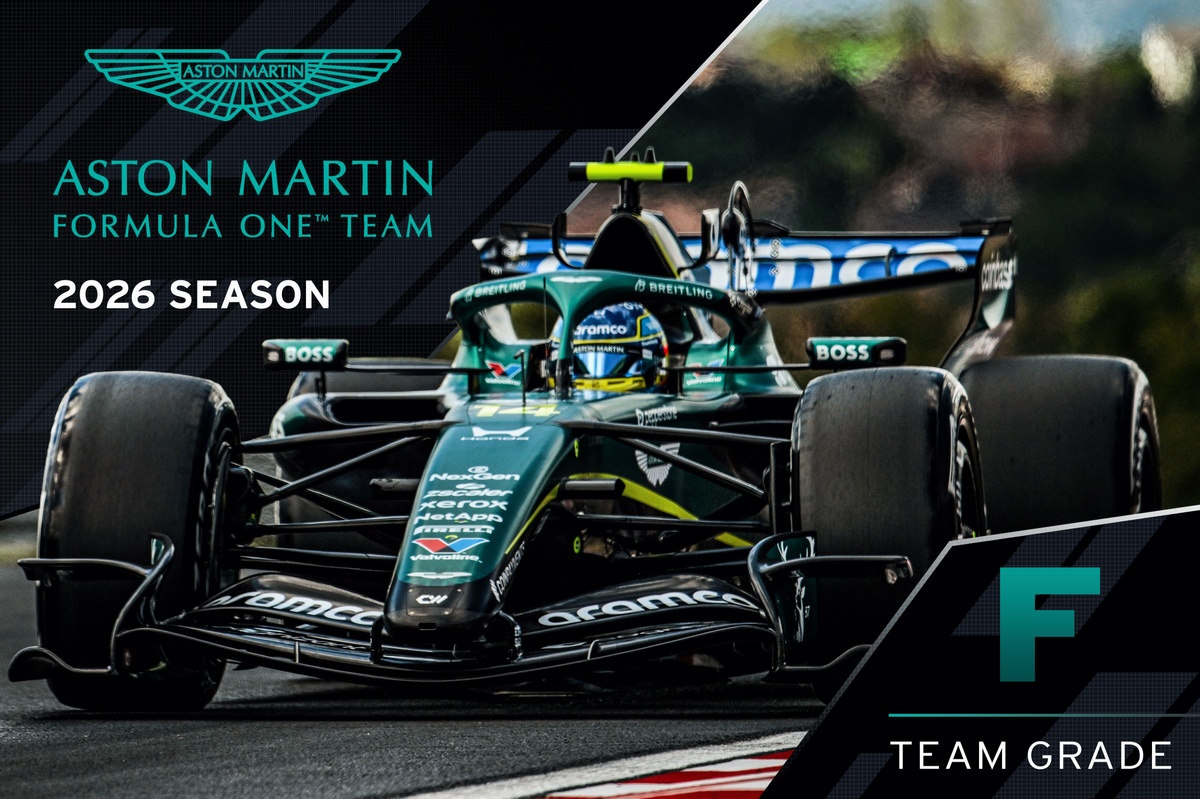

The dream quickly became a nightmare for Aston Martin in the 2026 Formula 1 season. What was envisioned as a triumphant new era, propelled by Lawrence Stroll's vision, a state-of-the-art facility, and the legendary Adrian Newey, instead unraveled into a series of frustrating setbacks.
Key Points:
- Aston Martin entered 2026 with immense hype but suffered a catastrophic start.
- Delays in development, a new wind tunnel switch, and Honda power unit issues crippled the AMR26.
- Initial races were plagued by vibration and reliability problems, severely limiting track time.
- A radical B-spec upgrade and an improved Honda engine offer a critical lifeline for the second half of the season.
Initial Vision vs. Harsh Reality
Aston Martin's 2026 campaign was supposed to be the moment they stamped their authority on Formula 1. With a massive investment from Lawrence Stroll, a gleaming new headquarters, and the arrival of design genius Adrian Newey, expectations for this regulations reset were sky-high. Fans and pundits alike anticipated a dominant force.
However, the reality has been a crushing blow. The green machine stumbled out of the gate, facing an ignominious start that nobody at Silverstone could have predicted. It's been a tough pill to swallow for a team with such grand ambitions.
The Root of Aston's Agony: Delayed Development
Unseen forces conspired against Aston Martin even before the season began. Adrian Newey's much-heralded arrival was unfortunately delayed, coinciding with the team's transition to a new wind tunnel. This effectively forced the team to restart its 2026 car project from scratch, losing a crucial three to four months compared to their rivals.
Such an aerodynamic handicap at the dawn of a new regulations cycle is incredibly difficult to overcome. The consequences were clear: the AMR26 arrived late, was overweight, and alarmingly underdeveloped, even missing critical shakedown testing at Barcelona.
Power Unit Predicament: Honda's Struggles
Adding to the chassis woes, the partnership with Honda began with significant power unit struggles. Crippling vibration issues, particularly linked to the power unit's integration with the chassis, meant the AMR26 could barely complete a handful of consecutive laps in Australia. The battery was constantly overheating, creating a vicious cycle of limited running.
This lack of track time severely hampered the team's ability to diagnose and fix their problems. Through the opening rounds, the Honda engine's lack of brute force was glaringly exposed on high-speed circuits, frequently relegating Aston Martin to the back of the grid. It was a painful period, as the team chose to hold back upgrades rather than trickle them out for minimal effect.
A Glimmer of Hope: The B-Spec Breakthrough
Amidst the adversity, a solitary point in a penalty-riddled Monaco Grand Prix offered a hollow but welcome reward. For a team in such dire straits, every small victory helps maintain morale.
Then came the breakthrough. For the Hungarian Grand Prix, the factory delivered a radically improved B-spec car – a full-scale redesign that reportedly shaved a rare two seconds off their deficit to the frontrunners. This monumental effort immediately lifted Fernando Alonso and Lance Stroll back into the thick of the midfield, leapfrogging teams like Cadillac and Williams.
Newey's Revelation: Systemic Overhaul Needed
The legendary Adrian Newey himself shed light on the deeper issues plaguing the team. He revealed that Aston Martin was relying on outdated tools and processes, some traceable back to the Jordan team's early days at Silverstone. This patchwork of systems had become increasingly unfit for purpose, leading to frustrating delays during car builds, with parts not being ordered at the right time due to underlying system failures rather than individual mistakes.