

The Brazilian Grand Prix provided a major test of Formula 1's wet-weather performance, with heavy rain at Interlagos exposing several challenges surrounding tyre grip and consistency. While the FIA received praise for its safety decisions during qualifying, Pirelli's intermediate tyres came under scrutiny for their slow warm-up and rapid wear. The weekend offered valuable insight into how the latest generation of F1 cars handles extreme conditions, but also highlighted areas that still need improvement.
Key Takeaways From the Brazilian GP Wet-Weather Test
- The FIA earned praise for its safety measures at Interlagos, including an 80-minute red flag during qualifying when conditions became dangerous.
- Pirelli's extreme wet tyres showed signs of improved usability, but the intermediate compounds struggled with warm-up and wear.
- Drivers including Alex Albon and Carlos Sainz highlighted concerns over rear grip and inconsistent intermediate tyre performance.
- The Brazilian GP provided valuable data for future tyre development, although its track conditions may not reflect those at colder circuits such as Las Vegas.
Interlagos Puts F1's Wet-Weather Performance to the Test
The prospect of a genuinely wet qualifying session and race weekend had been a major talking point in F1 this season. Previous rain interruptions, including at the Bahrain Grand Prix, were followed by relatively quick track drying.
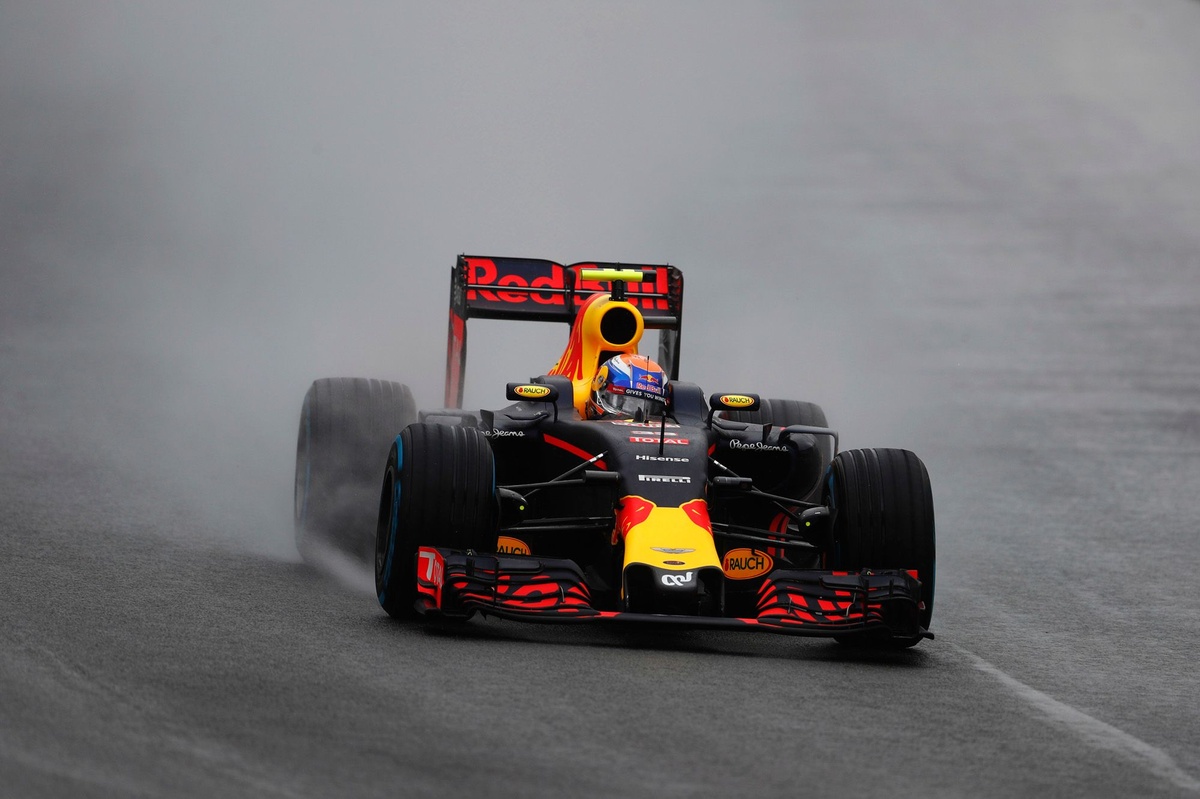
Interlagos presented a much tougher challenge, particularly during Saturday's qualifying session, when heavy rain created difficult conditions for teams and drivers. It became a significant test of both car performance and wet-weather tyre technology.
FIA Earns Praise for Prioritising Driver Safety
The heavy rain made qualifying at Interlagos increasingly difficult, eventually forcing an 80-minute red flag. Mercedes driver George Russell questioned whether racing would have been safe under those conditions, warning that the risk of a serious accident would have been extremely high.
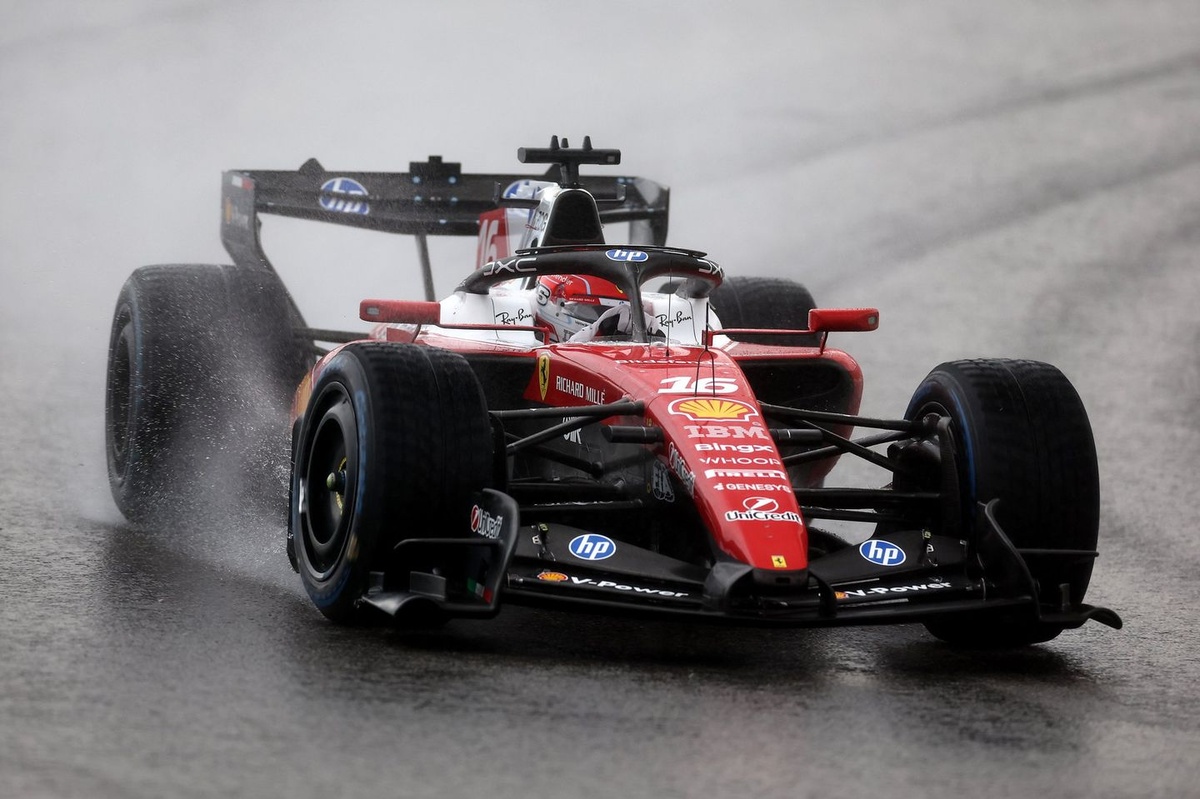
However, the FIA's decision to suspend the session received broad support across the paddock. Ferrari team principal Frederic Vasseur also highlighted the severity of the conditions, revealing that his team's car returned to the pits with around two centimetres of water inside after its first Q1 lap.
The governing body waited until conditions improved before allowing the session to resume, putting driver safety ahead of the need to continue running.
Pirelli's Intermediate Tyres Remain a Major Concern
Pirelli's extreme wet tyres have historically seen limited use in Formula 1, partly because the conditions required to operate them are often too severe for safe racing. As a result, the intermediate compound has remained a major focus of wet-weather tyre development.
However, this season's intermediates have faced criticism for being too hard and struggling to reach their optimal operating temperature. Combined with the strong torque delivery of modern F1 engines, the issue had raised concerns about how manageable the cars would be in heavy rain.
Interlagos provided a more detailed picture of the situation. While the FIA has made progress in managing power delivery in wet conditions, the intermediate tyres continued to present difficulties.
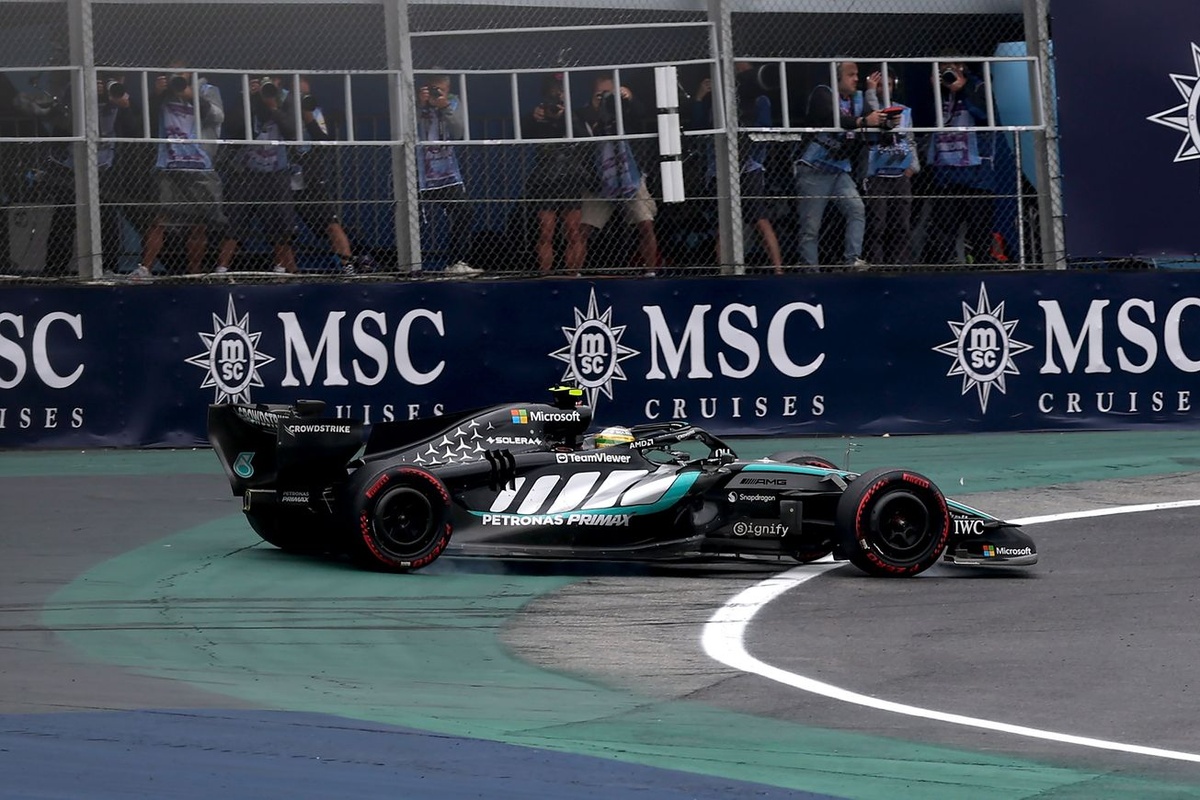
Kimi Antonelli spun on his way to the grid, while several drivers struggled when rain returned towards the end of the race. On the other hand, Vasseur noted that the extreme wet tyres appeared to be more usable than before, offering a positive sign for Pirelli.
Drivers Highlight Grip and Tyre Wear Problems
Feedback from the drivers reinforced concerns about the intermediate compound, particularly its difficulty in reaching and maintaining the right temperature.
Alex Albon, who finished 15th at Interlagos, explained that the tyres were difficult to warm up but also wore out quickly. He added that the compound never seemed to reach a point where it delivered consistent performance throughout the race.
These issues also contributed to the unpredictable early stages, when some backmarkers appeared to find grip more easily while drivers further up the field struggled.
Carlos Sainz shared similar concerns, arguing that both the wet and intermediate compounds still needed improvement. He specifically highlighted the lack of rear grip in mixed conditions, explaining that by the time the tyres warmed up, the front tyres had already lost performance.
Even drivers such as Max Verstappen and Lewis Hamilton experienced varying levels of performance as the conditions changed, underlining the challenges posed by the current wet-weather tyres.
Liam Lawson also raised concerns about how the intermediate compound might perform at colder venues, warning that conditions at a circuit such as Las Vegas could create even greater difficulties.
Pirelli Faces Challenge Ahead of Future Wet-Weather Development
The experience at the Brazilian Grand Prix has provided Pirelli with valuable information for its next stage of wet-weather tyre development. For next year, the target is to reduce the performance gap between the wet-weather compounds.
This includes improving the intermediate tyres' warm-up characteristics while increasing the extreme wet tyres' resistance to wear. Achieving that balance will not be straightforward, given the differences in track surfaces and ambient temperatures across the F1 calendar.
Although Interlagos offered an important case study, its conditions cannot necessarily represent every circuit. The findings will nevertheless give the FIA and Pirelli a clearer understanding of the areas requiring attention as they continue working towards safer and more consistent wet-weather racing.