
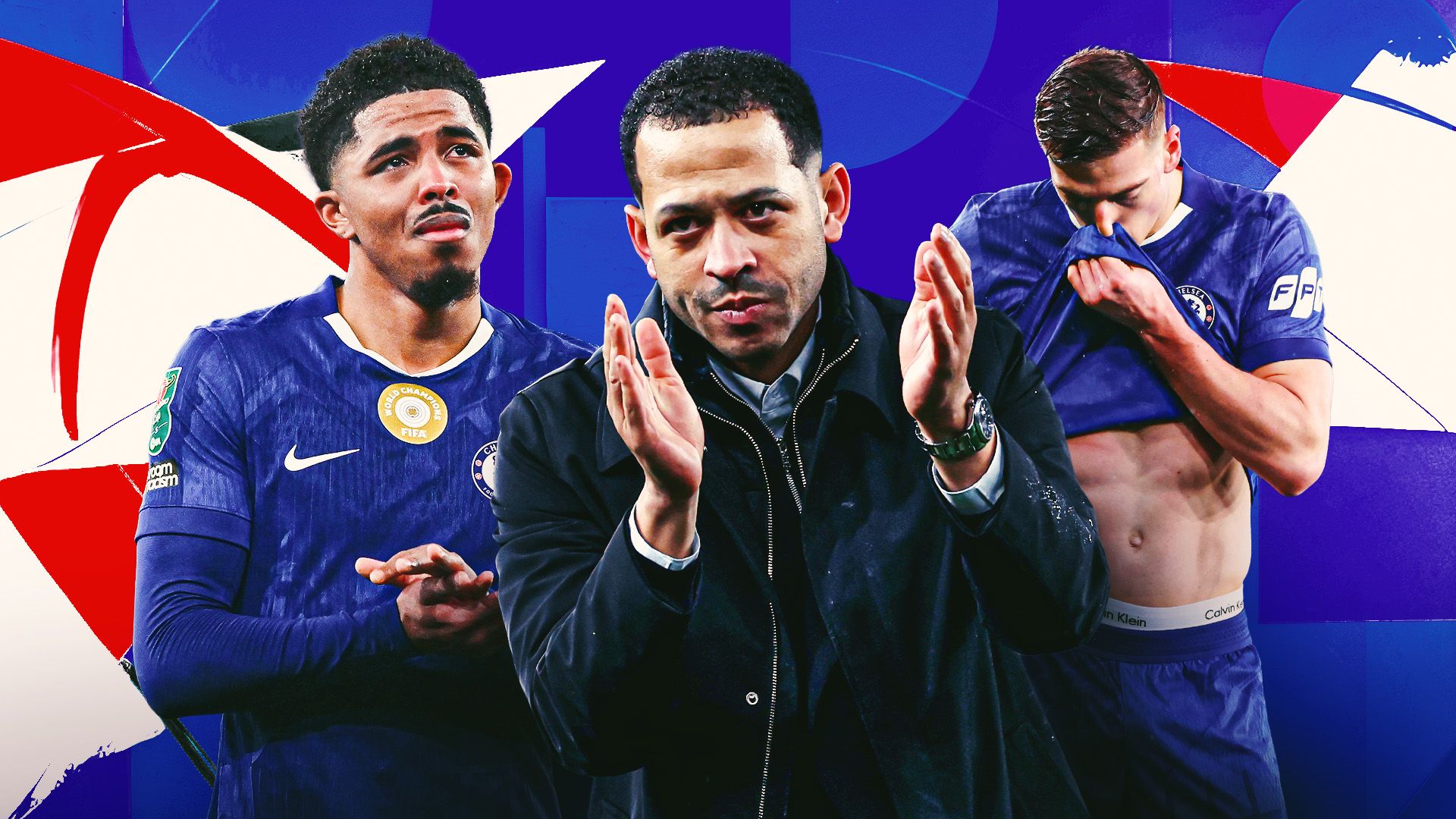

The Carabao Cup semi-final clash between Chelsea and Arsenal ignited a fierce debate, proving that even in defeat, a team's spirit can be debated more than the result itself. Was Liam Rosenior's pragmatic approach a sign of weakness or a calculated gamble against a superior Arsenal side? The post-match reactions were as divided as they were passionate.
Key Takeaways from the Emirates Showdown
- Tactical Discipline: Chelsea adopted a cautious 5-2-3 formation to stifle Arsenal at the Emirates, aiming to stay in the tie for as long as possible.
- Pundit Fury: Former Gunner Paul Merson blasted Chelsea's display as "wimpish," demanding more attacking intent.
- Rosenior's Defense: The Chelsea boss strongly defended his strategy, citing the strength of Arsenal, player availability, and relentless schedule.
- Mitigating Factors: Key injuries to Reece James and Pedro Neto, plus managing Cole Palmer and Estevao Willian's fitness, heavily impacted Chelsea's attacking options.
The Tactical Tightrope: Rosenior's Emirates Strategy
Stepping into the Emirates with a one-goal deficit against a dominant Arsenal team is a formidable challenge. Liam Rosenior opted for a pragmatic 5-2-3 setup, a clear signal of intent to contain rather than open up. This cautious approach worked for an hour, keeping the scoreline level at half-time.
The plan was clear: frustrate the Gunners and then unleash attacking talent. Cole Palmer and Estevao Willian were introduced for the final 30 minutes, aiming to provide that spark. While Chelsea improved offensively in the second half, generating 14 shots, they only managed an xG of 0.68, struggling to truly test Kepa Arrizabalaga. Ultimately, Arsenal's resolute defense held firm.
Merson's Meltdown: Was the Criticism Fair?
Not everyone saw the pragmatic approach as justified. Ex-Arsenal star Paul Merson launched a scathing attack, branding Chelsea's exit as "absolute wimpish" and expressing his disbelief. He questioned how a club of Chelsea's stature, with "international football players" and a "World Cup winner" (likely referring to Wesley Fofana, who was visibly distraught), could exit a semi-final "without having a go."
Merson argued that Chelsea played "in second gear," suggesting they possessed the quality to challenge Arsenal head-on but chose not to. His passionate critique resonated with some fans, who felt the team lacked ambition on such a significant stage.
Rosenior's Defense: A Manager's Reality Check
In response to the barrage of criticism, Liam Rosenior stood his ground, highlighting the difference between punditry and management. "I've been a pundit, it's easy. It's easy in hindsight," he stated, reminding critics of the pressure to win. He argued that an aggressive, high-press approach early on could have led to an early collapse.
Rosenior stressed that his tactical decisions are influenced by numerous factors, including opponent strength and player availability. The traveling Chelsea faithful, acknowledging the team's effort and recent form, gave the players a warm applause, indicating their support for the manager's tough choices.
Chelsea's Battlefield: Injuries and Exhaustion
The context of Chelsea's performance cannot be ignored. The squad was significantly hampered by crucial absences and fitness concerns. Regular starters Reece James and Pedro Neto were sidelined with minor injuries, deemed too painful to risk.
Furthermore, Cole Palmer is managing a chronic groin issue, preventing him from playing three games a week. Estevao Willian had just returned from a compassionate leave in Brazil, showcasing immense dedication to be available. Rosenior praised their commitment, emphasizing the need to protect players like Palmer for the long season.
Brutal Schedule: The Toll of Success
The demanding fixture list undoubtedly played a role in Chelsea's fatigue. The trip to the Emirates came hot on the heels of a dramatic comeback win against West Ham and a thrilling late turnaround in Napoli to secure a Champions League last-16 spot. This relentless schedule, with matches every three to four days since the New Year, has taken a physical and emotional toll.
"Our schedule has been incredible," Rosenior admitted, crediting his players for their "energy, fight, and spirit." While the quality in crucial moments was lacking, the manager affirmed that the team's commitment was never in doubt.
Beyond the Cup: What's Next for the Blues?
Despite the Carabao Cup exit, Rosenior remains focused on the bigger picture. He sees this setback as a test of character and an opportunity for growth. "Now I need to see what we look like after a setback. We need to react positively," he asserted.
The upcoming fixtures offer a chance to regroup, with league clashes against Wolves, Leeds, Hull City, and Burnley providing ample rest periods. Chelsea will return to the Emirates in early March for a Premier League rematch, hoping for a different outcome when the squad is potentially fitter and fully refreshed. The Carabao Cup dream is over, but the season is far from it for Chelsea.