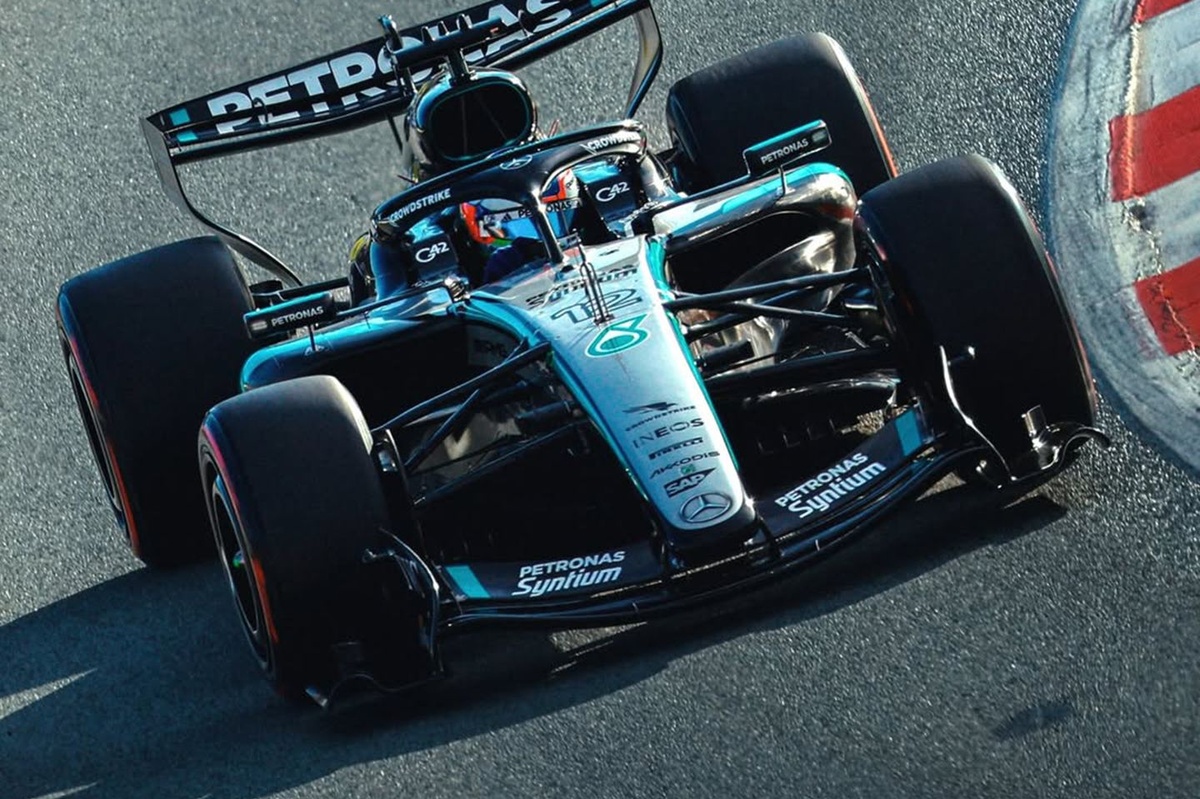

The future of Formula 1 isn't just faster cars; it's a monumental test of driver skill, strategy, and sheer mental bandwidth. The 2026 F1 regulations are poised to revolutionize how drivers interact with their machinery, introducing active aerodynamics and a deeper layer of energy management that promises to redefine the racing spectacle.
Key Changes for F1 Drivers in 2026
- Active Aerodynamics: New dynamic front and rear wings for drag reduction on straights.
- Increased Workload: Drivers must manually manage aero activation and complex energy deployment every lap.
- Overtake Mode: Replaces DRS as a push-to-pass system for strategic advantages.
- FIA Oversight: The governing body is ready to adjust rules if driver demands become excessive.
The Aero Revolution: Unpacking the 2026 Car Changes
Initial feedback from the Barcelona shakedown reveals a universal truth: the 2026 F1 cars feel dramatically different. A primary factor is the significant reduction in downforce, which traditionally leads to driver complaints. However, the FIA believes this, coupled with reduced dirty air, will ultimately benefit the quality of racing.
This shift is not just about raw performance but about empowering the driver. The new power unit formula necessitates active aero, where drivers actively manage their car's aerodynamic profile mid-lap. This move ensures the cutting-edge hybrid engines can operate at peak efficiency, blending raw power with strategic ingenuity.
More Than Just a Button: The Active Aerodynamics System
The most significant operational change for drivers comes with active aerodynamics. On straights, the rear wing will open to reduce drag, while the second and third elements of the front wing flatten out. This isn't a passive system; drivers will manually activate these changes, similar to how DRS was deployed.
Crucially, these "Activation Zones" will be far more numerous than the old DRS zones, allowing drivers to deploy active aero on every lap, not just when closely following an opponent. While wings close automatically upon lifting off the throttle or braking, the manual activation adds a critical layer of real-time decision-making for drivers navigating the circuit at immense speeds.
An innovative addition is the 'partial active aerodynamics' option, designed for challenging conditions like rain. In such scenarios, only the front wing will adopt its straight-line mode, keeping the rear wing in its cornering configuration. This adaptive system mirrors the previous disabling of DRS in wet races, showcasing the **FIA's** commitment to safety alongside performance.
Mastering the Energy Maze: MGU-K and Overtake Mode
Beyond aerodynamics, the **2026 F1 regulations** amplify the strategic importance of energy management. With a substantial **350 kW** delivered by the **MGU-K**, drivers now have significantly more electrical power at their fingertips. The art of harvesting and deploying this energy will become a pivotal tactical battle, potentially influencing race outcomes more than ever before.
This new electrical emphasis works in tandem with the **Overtake Mode**, effectively replacing **DRS** as the primary overtaking aid. This 'push-to-pass' system offers bursts of extra power, designed to create thrilling duels. While some team bosses predict overtakes in unexpected places, the reality will likely see teams converging on optimized deployment strategies for each circuit, striving to avoid being vulnerable at critical points.
Pushing the Limits: Is the Workload Too Much for F1 Drivers?
All these driver-controlled elements inevitably raise questions about the mental and physical demands on the athletes. Early indications from drivers like **Liam Lawson** suggest they relish the challenge. "It feels like there's a lot more we can do as drivers potentially to make a difference, which is good," **Lawson** explained, highlighting a shift towards greater driver impact.
Young talent **Andrea Kimi Antonelli** echoed this sentiment, noting that while it "requires a bit more management," it's "still doable." The consensus is that the drivers will need to adapt their driving styles and develop new strategies to master these highly complex machines.
FIA's Stance: Balancing Innovation with Driver Capability
The **FIA** is keenly aware of the increased **driver workload**. **Nikolas Tombazis**, the Head of Single-Seater Racing, emphasized a deliberate effort to put drivers "more at the centre of the sport," moving beyond a simple "steering wheel and two pedals" philosophy. He acknowledges the subjective nature of workload perception, recognizing that different drivers have varying mental bandwidths.
While the **FIA** believes they've found a reasonable balance, they remain vigilant. "We also have potential actions to take if we see that something is not quite right. We have quite a lot of tools in our pockets that we can discuss," **Tombazis** affirmed. This proactive stance ensures that while the **2026 F1 regulations** aim for innovation, the integrity of the sport and the capability of its stars remain paramount. The early **Barcelona shakedown** feedback has largely been positive, setting the stage for an exhilarating new era of Formula 1 racing.
.png)