
The F1 2026 pre-season test in Bahrain has thrown the paddock into a frenzy, offering the first tantalizing glimpse into the radical new regulations. While raw speed always grabs headlines, these crucial early sessions are truly about endurance and reliability. The Bahrain desert certainly delivered a mix of both, showcasing blistering pace alongside some unexpected reliability hiccups that could shape the season.
Key Takeaways from Bahrain:
- Mercedes showcased formidable one-lap speed, with Andrea Kimi Antonelli setting the fastest time.
- Mileage, not outright pace, is the critical indicator in pre-season testing for F1 2026.
- McLaren and Williams emerged as the top teams for total kilometers completed.
- Ferrari power units demonstrated superior average mileage per customer team, hinting at robust reliability.
Early Indicators from the Desert Heat
The Silver Arrows' Blistering Pace & Antonelli's Ascent
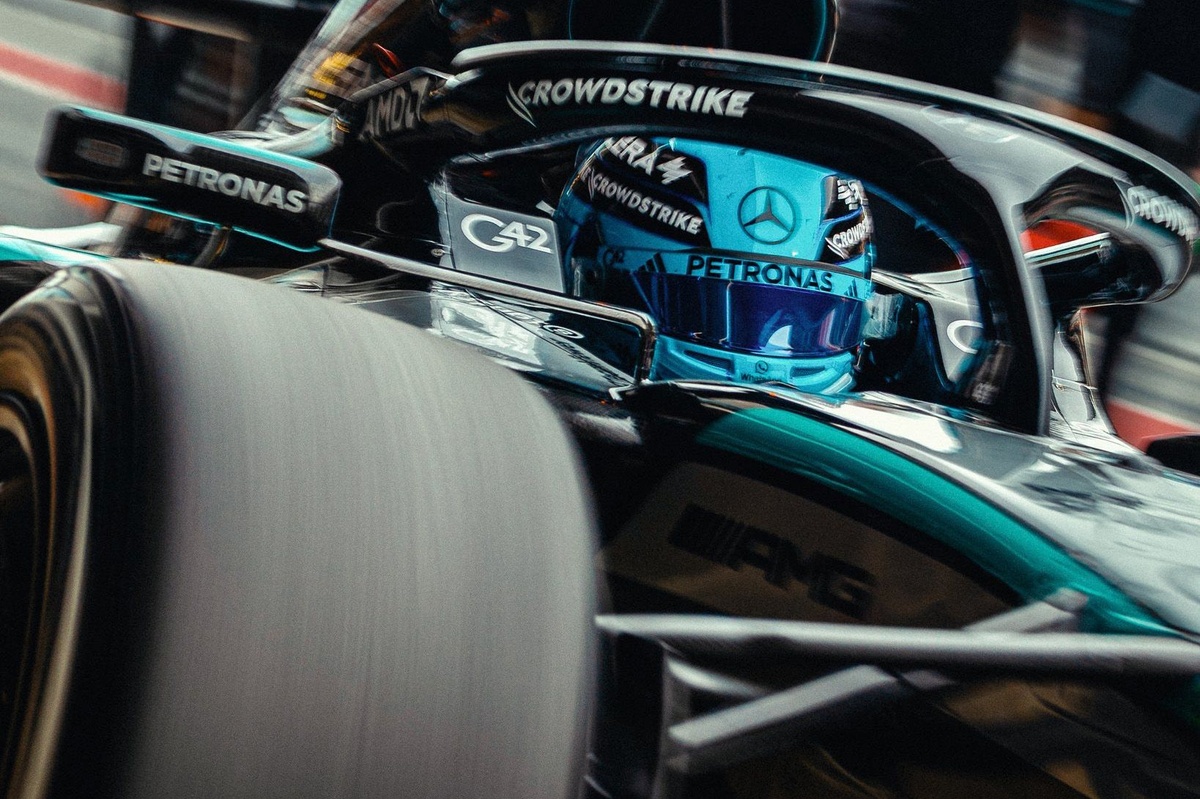
Mercedes certainly turned heads, dominating the top of the timesheets in Bahrain. The Silver Arrows were the only team to dip below the 1m34s mark — a clear statement of intent for the upcoming F1 2026 season.
Italian prodigy Andrea Kimi Antonelli, still only 19, recorded the quickest lap across the three-day test. His 1m33.669s on Friday was a significant 0.249s faster than teammate George Russell, who secured the second-fastest time on the final day.
However, it's crucial to remember that pre-season lap times are notoriously misleading. Teams run varying fuel loads, engine modes, and tire compounds, making direct comparisons unreliable. The real test often lies in consistent running and problem-free mileage.
The Endurance Challenge: Mileage Reigns Supreme
Who Clocked the Laps?
While Mercedes shone on the stopwatch, their actual mileage painted a different picture. In testing, accumulating laps is paramount for gathering data, testing components, and ensuring reliability. This is where Antonelli and Mercedes faced challenges.
Antonelli completed the fewest laps overall, plagued by various technical issues with the W17 chassis. This limited running is a significant concern, especially when compared to rivals.
On the other end of the spectrum, seven drivers surpassed the 200-lap mark, demonstrating impressive reliability. This elite group included:
- Charles Leclerc
- Oscar Piastri
- Carlos Sainz
- Alex Albon
- Lando Norris
- Lewis Hamilton
- Oliver Bearman
Team-wise, McLaren and Williams truly excelled, topping the mileage charts with over 2,284km each. This performance is particularly encouraging for James Vowles' Williams squad, who had missed the earlier Barcelona shakedown.
Reliability Woes for Key Contenders
Despite their promising start in Barcelona, Mercedes endured various technical difficulties in Bahrain, ultimately completing the second-fewest laps as a team. A power unit problem on day two, limiting Antonelli to just three laps, highlighted their struggles.
The most concerning performance, however, came from Aston Martin. Plagued by delays and technical glitches, they managed just over 1,000km, the lowest mileage of any team. This lack of running could be a major setback for their F1 2026 preparations.
The Battle Under the Hood: Power Unit Performance
Mercedes' Overall Dominance (by Volume) vs. Ferrari's Efficiency
When looking at power unit manufacturers, Mercedes accumulated the most total mileage, exceeding 13,000km. This isn't surprising, as the Mercedes engine is the most prevalent on the grid, powering four different teams.
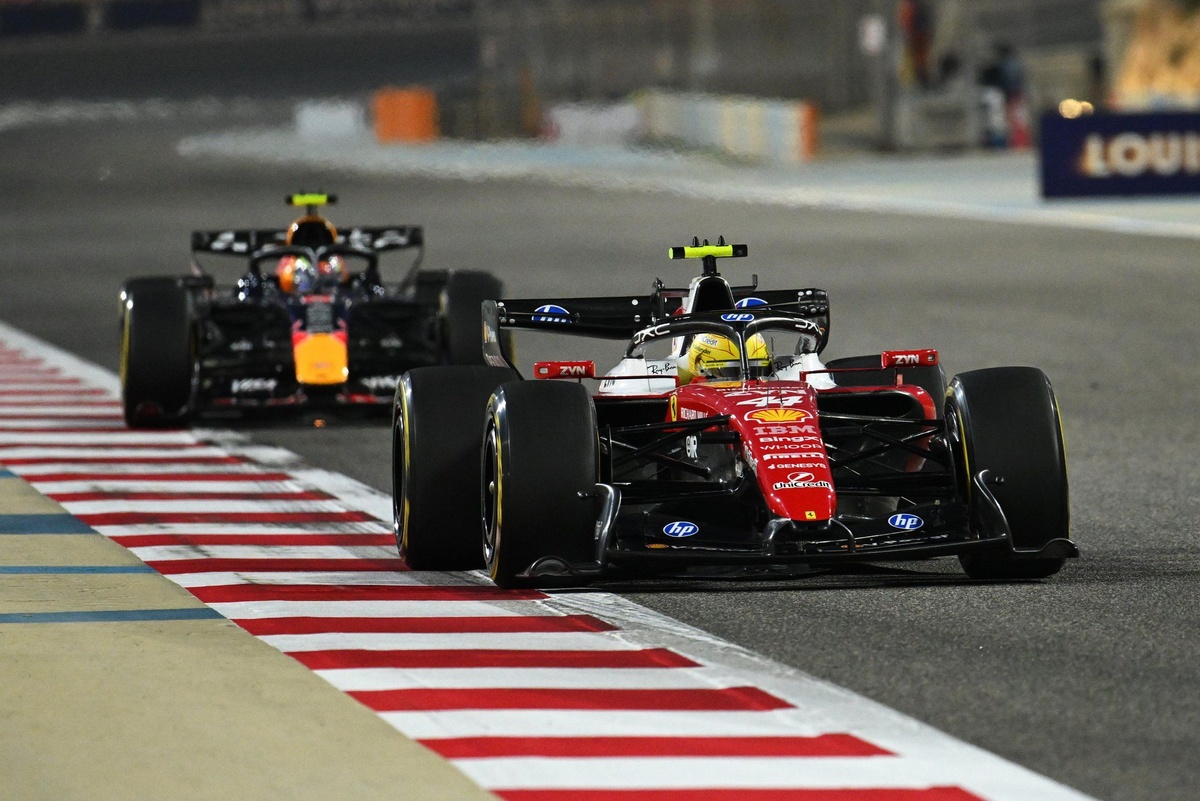
However, Ferrari's power units showcased superior efficiency. Each team powered by the Italian marque averaged over 2,000km in Bahrain, suggesting strong inherent reliability and performance per customer.
Audi's Surprising Debut and Honda's Setback
Newcomer Audi, operating with only its factory squad, performed remarkably well. Their mileage was just below the overall Mercedes average and notably above Red Bull's power unit average, an impressive feat for an F1 debutant.
Conversely, Honda, supplying power units to Aston Martin, struggled significantly. They completed the least mileage of all five power unit manufacturers in F1, raising concerns about their readiness for the demanding 2026 regulations.
What Does It All Mean for F1 2026?
The F1 2026 Bahrain test has delivered a complex narrative. Mercedes clearly has raw speed, but questions linger over their early reliability. McLaren and Williams displayed impressive endurance, while Ferrari's power units look remarkably robust.
With new regulations always bringing a shake-up, this early data suggests that the F1 2026 season is shaping up to be an unpredictable and thrilling battle, where sustained performance will be just as crucial as outright pace.