
The Unseen Battle of an F1 Rookie: More Than Just Speed
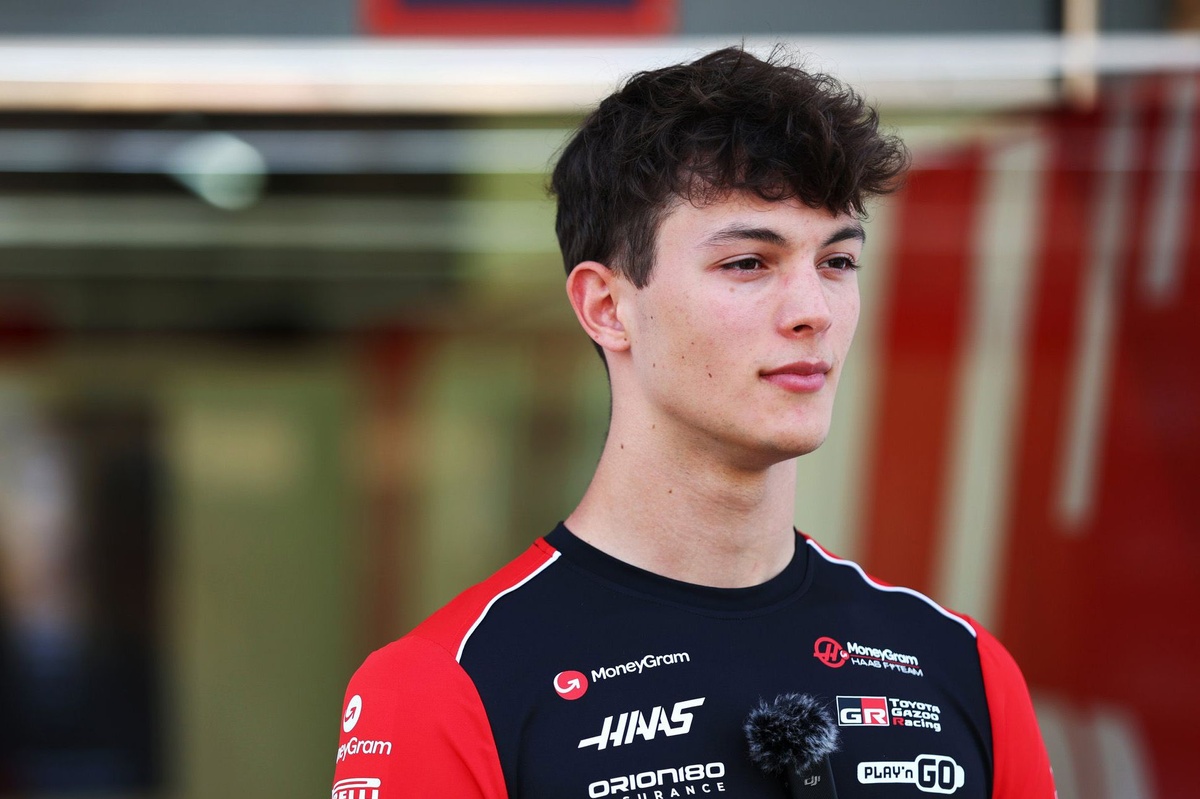
The glitz and glamour of Formula 1 often hide a stark reality, and Haas F1 rookie Oliver Bearman has courageously pulled back the curtain on the profound loneliness he faced during his breakout 2025 season. Despite dazzling on track, the young Brit admitted the relentless travel and emotional extremes pushed him to his limits.
Key Takeaways from Bearman's F1 Rookie Season
- Despite stellar rookie performance, including outperforming teammate Esteban Ocon and a P4 at the Mexican Grand Prix, Bearman battled deep loneliness.
- Extreme global travel, language barriers, and the stark contrast between track intensity and hotel solitude fueled his personal struggles.
- Opening up on the High Performance podcast, he highlighted the emotional toll of tough races when far from loved ones.
- Bearman actively sought help from a coach and focused on gratitude and perspective to navigate the mental challenges of F1 life.
Oliver Bearman finished his inaugural season with Haas in a commendable 13th place in the drivers' standings, impressively outperforming his more seasoned teammate, Esteban Ocon, who placed 15th. Highlights like his stunning fourth-place finish at the Mexican Grand Prix showcased his immense talent. Yet, off the track, the then 20-year-old was grappling with significant personal challenges.
"Yeah, I struggled with loneliness in F1," Bearman confessed on the High Performance podcast. He elaborated that the F1 calendar, with 10 more races than F2, involves constant travel to the globe's furthest destinations. This often meant navigating places with significant language barriers, intensifying feelings of isolation.
Beyond the Podium: When the Cheers Fade
Bearman described a jarring dichotomy: the adrenaline-fueled chaos of hundreds of people at the circuit, immediately followed by the stark silence of a hotel room. This extreme shift, combined with relentless travel, particularly at the start of the season, proved profoundly challenging.
"You go from one extreme of being at the track and being with hundreds of people, having no time to dedicate to yourself, and then you get home into your hotel room, and it's just you," he explained. The emotional weight was amplified after difficult races, where the absence of family or loved ones made coping even harder. While his father made a considerable effort to attend many races, he couldn't be at every event.
Finding Solace: Bearman's Path to Resilience
Initially, Bearman admitted to 'bottling up' his emotions, finding it difficult to transition from the intense racing environment to an empty home in Monaco. He felt his life was relentlessly revolving around racing, creating a sense of being constantly on edge and waiting for the next event.
Recognizing his struggle, Bearman proactively sought support. He began working with a coach early in the year to address the overwhelming contrast between his professional demands and personal solitude. This intervention proved crucial in helping him manage the mental strain.
A Champion's Mindset: Gratitude in High Gear
Through his work with the coach, Bearman cultivated a vital attribute: perspective and gratitude. He emphasized the importance of stepping back and appreciating his journey, even amidst the difficulties. "If I told 10-year-old me what I'm doing now, I think he'd be pretty happy," he reflected.
His openness offers a powerful insight into the hidden pressures faced by even the most successful athletes. Bearman's story is a reminder that mental resilience is as critical as physical prowess in the high-stakes world of Formula 1.