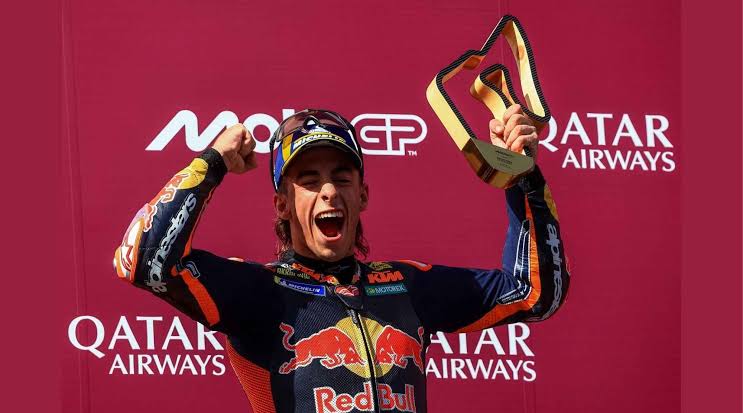

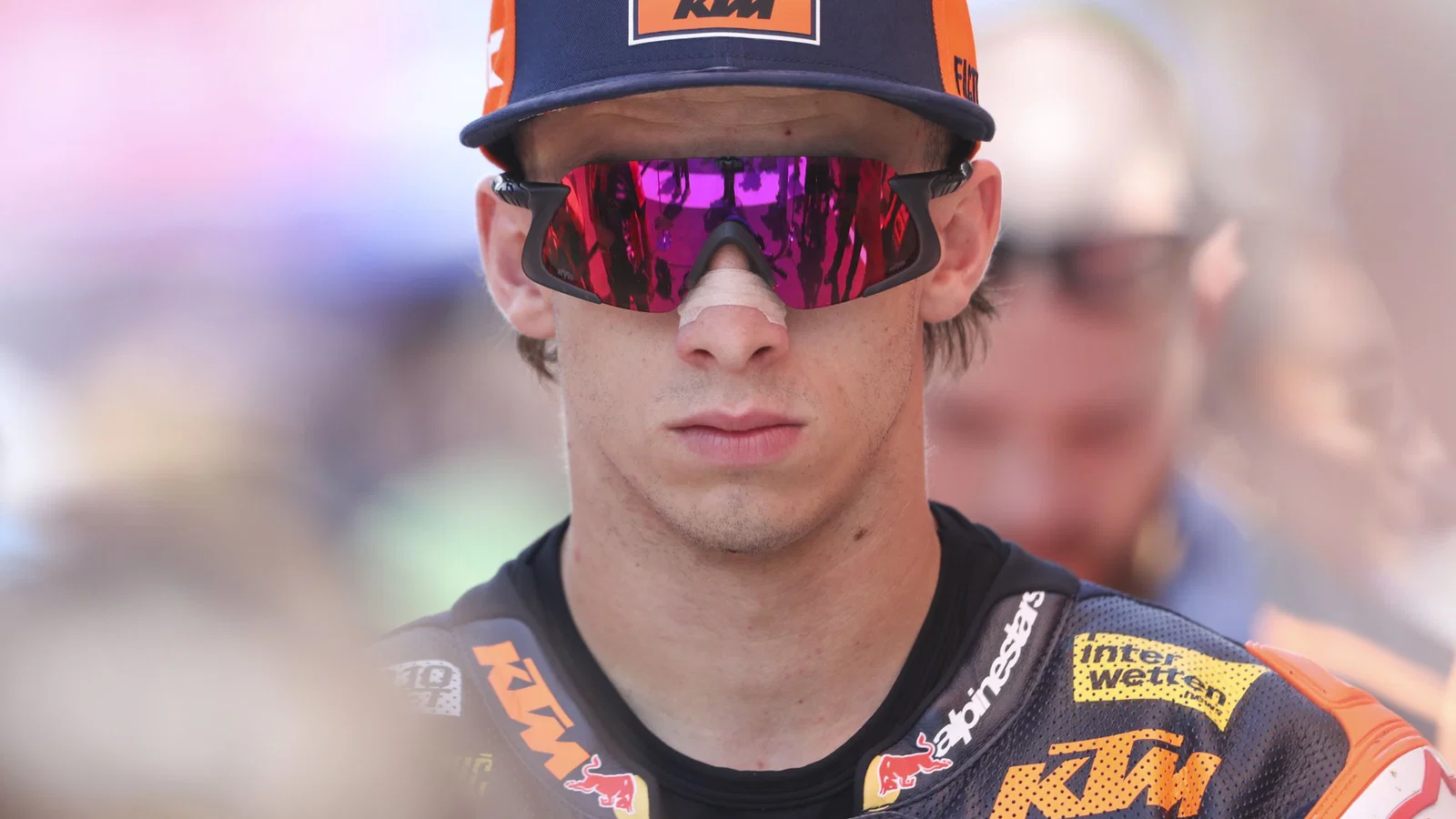
Pedro Acosta has cast doubt on the possibility of MotoGP riders forming a united association similar to Formula 1’s Grand Prix Drivers’ Association, saying the competitive nature of the sport makes true unity difficult to achieve.
The KTM rider shared his views following a chaotic Catalan Grand Prix weekend that reignited discussions surrounding rider safety, race management and the need for a stronger collective voice within MotoGP.
Several major crashes during the Barcelona round left riders injured, including Alex Marquez and Johann Zarco, while repeated red flags also sparked criticism over race control decisions.
Acosta admitted the situation highlighted the importance of riders looking beyond individual performances and considering broader issues affecting the sport.
“We are the ones putting on the show, so we also have to think about everything happening around it,” Acosta said.
However, the Spaniard also suggested the mentality inside the paddock makes it difficult to establish a fully united riders’ organisation.
“Riders are quite egocentric. Everyone is always looking for their own opportunity and trying to make the biggest impact possible,” he added.

Acosta was among the riders critical of the decision to restart the Catalan Grand Prix multiple times following a series of serious incidents.
“I still think there was no need for a third start. Maybe half points would have been enough,” he said.
“If there had already been two serious accidents, there was no need to take another risk.”
The debate also renewed attention on MotoGP’s Safety Commission, which has previously faced criticism for inconsistent rider attendance.
Before the Barcelona weekend, Luca Marini and reigning world champion Francesco Bagnaia publicly questioned why more riders were not regularly attending meetings to discuss safety concerns.
Acosta acknowledged the importance of the commission after major incidents but suggested not every issue requires constant meetings.
“I don’t think you need to meet every week because of a new bump at a circuit,” he explained.
The 21-year-old also dismissed suggestions that simple layout changes, such as altering the starting grid position at Barcelona’s Turn 1, would completely solve the risks associated with opening-lap incidents.
According to Acosta, many crashes are simply a consequence of racing circumstances and bad luck rather than a single design flaw.
He also pointed to the pressure riders face during a championship battle, saying competitors are unlikely to voluntarily sit out races if rivals continue competing.
“If someone fighting for the title decides not to race, but another championship rival goes to the grid, then they will follow,” Acosta said.
“You are chasing the dream of your life.”
Acosta’s comments offered a rare insight into the mentality inside the MotoGP paddock, where fierce competition and personal ambition often outweigh attempts at collective action.