New power units with a roughly 50/50 split between electrical power and ICE. Sustainable fuels. Active aerodynamics. Overtaking mode, straight-line mode and all the others. F1 has changed dramatically over the winter – and that couldn't simply not create some controversy. A lot of drivers complained and observers are worried the racing has become too complicated for fans to follow.
Have the championship’s organisers simply gone too far at once with all the added complexity – and does F1 risk confusing its fanbase? Our writers from across the international network have their say.
A Technical Maze: Is F1 Losing Its Way?
The complexity introduced by the new F1 regulations is undeniable. With power units now split almost 50/50 between electrical and internal combustion power, alongside sustainable fuels and active aerodynamics, the sport demands an unprecedented level of energy management. This intricacy is proving challenging even for seasoned insiders. Reports suggest customer teams are puzzled by the performance discrepancies from their engine suppliers, like Mercedes, struggling to understand differing strategies.
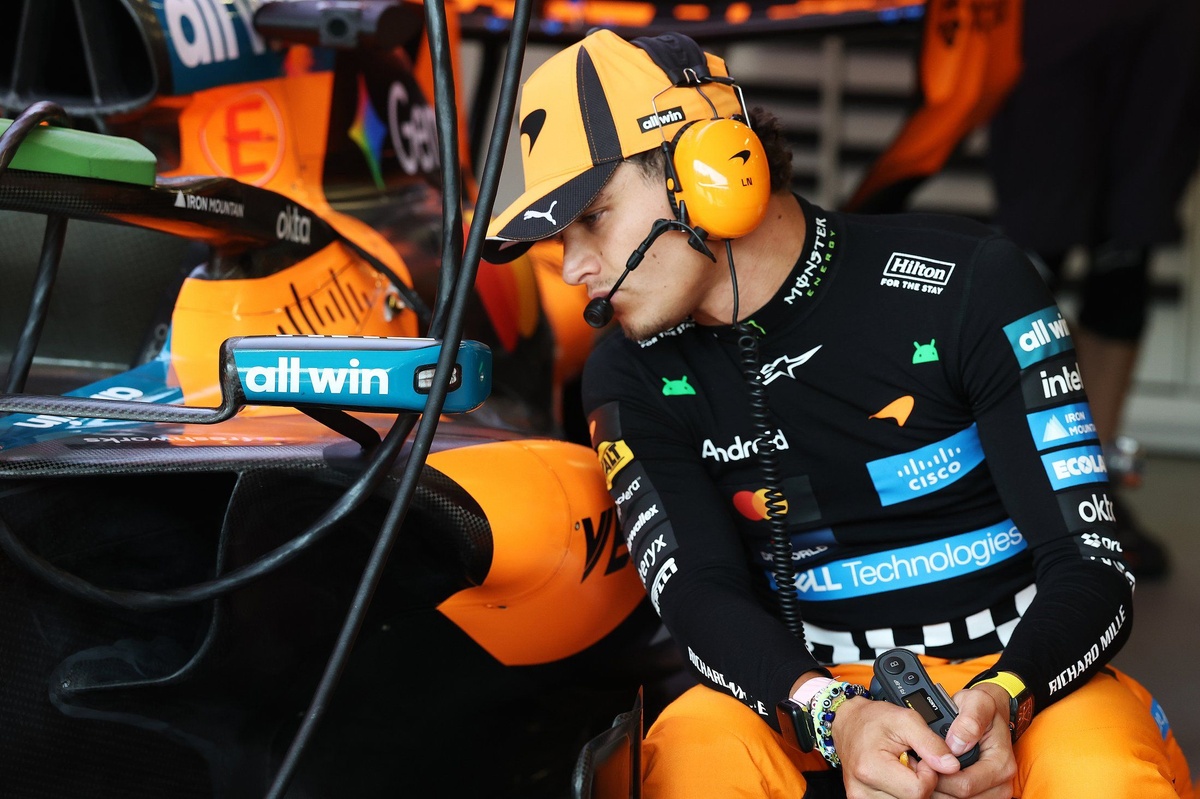
For fans, the picture is even blurrier. Interviews increasingly revolve around intricate energy deployment strategies, yet these complex processes are nearly impossible to decipher from TV broadcasts. Drivers like Lando Norris candidly admitted to constantly monitoring their steering wheel, feeling disconnected from the pure act of racing. This sentiment suggests that while the rules might appeal to car manufacturers like Audi and General Motors (who have joined, or Honda who returned), the human element and fan engagement could be suffering.
The Manufacturers' Magnet: A Necessary Evolution?
However, a counter-argument champions F1's embrace of cutting-edge technology as its very essence. Formula 1 has always been an engineering championship, pushing the limits of innovation. The drive for efficient energy recovery from braking and the use of expensive sustainable fuels are not just sporting changes; they are crucial advancements for the future of the automotive industry.
F1 at the Crossroads: Innovation vs. Spectacle
This perspective suggests that the current regulatory overhaul is less about confusing fans and more about positioning F1 as a technological showcase, where manufacturers can test, innovate, and demonstrate their prowess on a global stage. The sport’s evolution is aligned with the broader shift in automotive priorities, from traditional internal combustion engines to hybrid systems and sustainable energy solutions.
Yet, the tension between engineering ambition and spectator experience remains palpable. The recent adjustments to power unit regulations, including the controversial 16.0:1 compression ratio limit and the ADUO (Additional Development and Upgrade Opportunities) system, highlight the tightrope F1 walks. Teams that lag behind in performance now have a structured way to catch up, while those at the front must carefully balance maximum output with compliance under increasingly strict FIA testing conditions.
Unsurprisingly, this has stirred debate among insiders and observers alike. Some argue that the complexity is alienating casual fans, whose enjoyment stems from straightforward racing battles and on-track overtakes rather than intricate energy management strategies. Meanwhile, proponents insist that F1’s identity has always been intertwined with technological sophistication, and that educating the audience on these nuances is part of modern motorsport storytelling.
The season ahead will reveal whether this blend of advanced engineering and traditional racing spectacle can coexist. If teams successfully navigate the compression limits, ADUO allowances, and hybrid energy strategies without diluting excitement, F1 may well redefine what it means to be both a sporting and a technological pinnacle. On the other hand, if the sport tips too far into the technical maze, fan engagement risks becoming collateral damage.