
F1's Hidden Battle: How Logistics Are Now the Ultimate Upgrade Hurdle
The upcoming 2026 Formula 1 season isn't just a battle of engineering brilliance; it's a high-stakes chess match where every shipping crate and outsourced part counts against the crucial budget cap. Forget just designing faster cars; teams are now battling the very economics of bringing those innovations to the track.
Key Insights into F1's Logistics Dilemma
- F1's revised budget cap now critically includes all logistical and transport costs.
- Teams face a strategic dilemma: balancing the need for rapid development with expensive, cap-impacting shipping.
- Alpine Managing Director Steve Nielsen emphasizes that even mundane "cardboard boxes" contribute significantly to the capped spend.
- Ferrari Team Principal Fred Vasseur warns against burning crucial development budget on flying substantial parts to distant races like Japan or China.
The Freight Factor: Why Transport Costs are F1's New Performance Metric
While the sport grapples with contentious debates over F1 power unit regulations, one consensus remains: the 2026 F1 cars will look vastly different from their current counterparts. However, the pace of this transformation is now severely constrained by a surprising adversary: logistics. Under the tightened F1 budget cap, shipping components – even the simple cost of delivering parts to the paddock – is a significant expenditure.
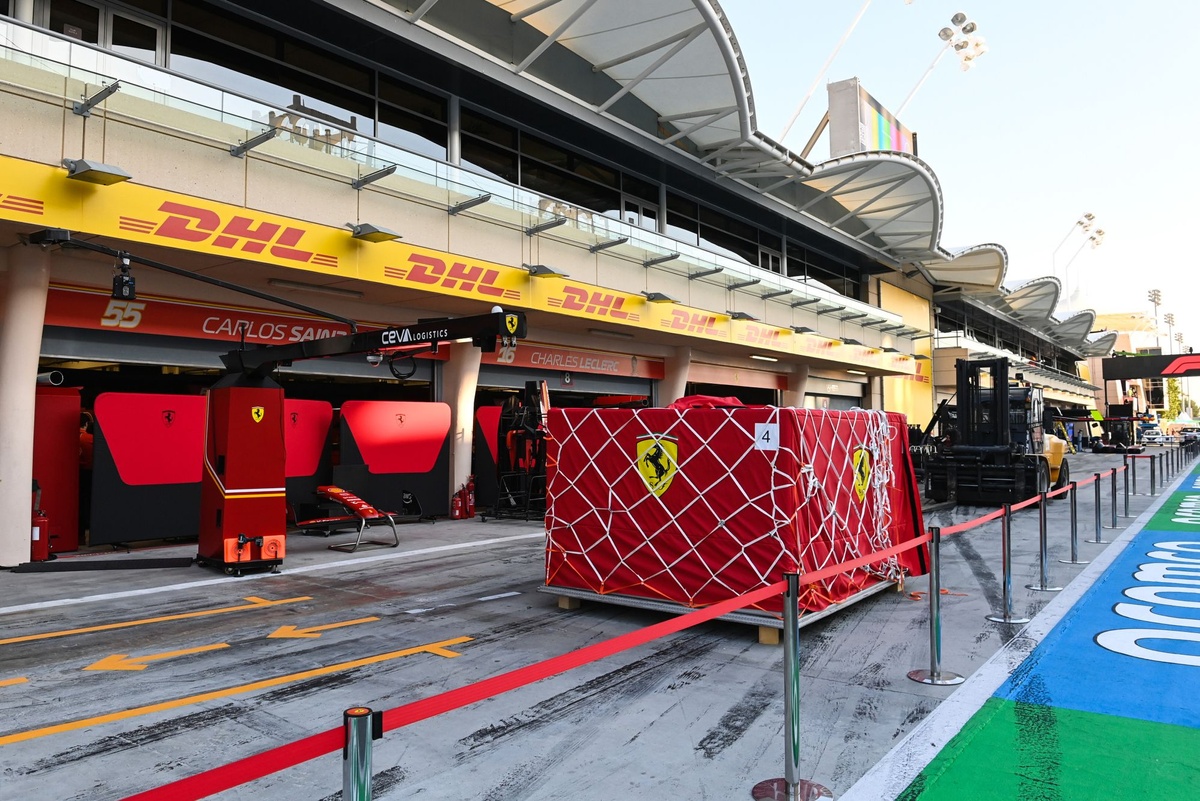
Alpine's Steve Nielsen highlighted this often-overlooked financial drain during the Bahrain test. He noted that previously ignored costs, like those associated with "cardboard boxes" arriving in the paddock, now contribute to the overall spend. Neglecting these seemingly minor details can quickly deplete a team's limited resources.
Strategic Spending: Optimizing Upgrades in a Capped Era
For teams, this means a meticulous, almost surgical, approach to upgrade planning. Components aren't just developed; their introduction must be logistically optimal. Outsourced production adds another layer of complexity, as teams must also factor in supplier pricing, which can fluctuate based on demand.
Nielsen elaborated on this balancing act. A major performance gain, such as 20 points of downforce, would undoubtedly justify the cost of air freight. However, for smaller, incremental improvements, the financial outlay for rapid transport might be prohibitive. Alpine has begun a comprehensive review of its entire spending structure, analyzing the cost-effectiveness of in-house manufacturing versus external suppliers. They're even tracking the "peaks and troughs" of supplier busy periods to secure better pricing.
The Long Road to the Budget Cap
The concept of an F1 cost cap isn't new; it was first proposed by then-FIA president Max Mosley in the late 2000s. It initially faced strong resistance from teams. It took a global crisis – the COVID-19 pandemic – and the very real threat to F1's existence to finally secure agreement.
Introduced in 2021 at $145 million per year, with a planned reduction to $135 million by 2024 (plus an additional $1.8 million for each race beyond 21), the cap has since been adjusted to $215 million to account for inflation and currency fluctuations. Crucially, as of this year, numerous previously exempt areas, including all transport costs, now fall squarely within its demanding remit. Allowances for sprint races and additional grand prix weekends also factor into the revised figures.
Ferrari's Vasseur: The Peril of Distant Upgrades
Ferrari Team Principal Fred Vasseur echoed the sentiment of strategic constraint. He stressed the imperative for teams to be "clever" with their development budgets and manage the introduction of upgrades effectively. While introducing improvements sooner is generally advantageous, the logistical reality can be brutal.
Vasseur candidly stated that "If you have to send a floor to Japan or to China, you are burning half of your development budget." This stark reality underscores the immense pressure on teams to innovate not just on track, but also in their operations and supply chains, ensuring every dollar spent contributes directly to championship aspirations.