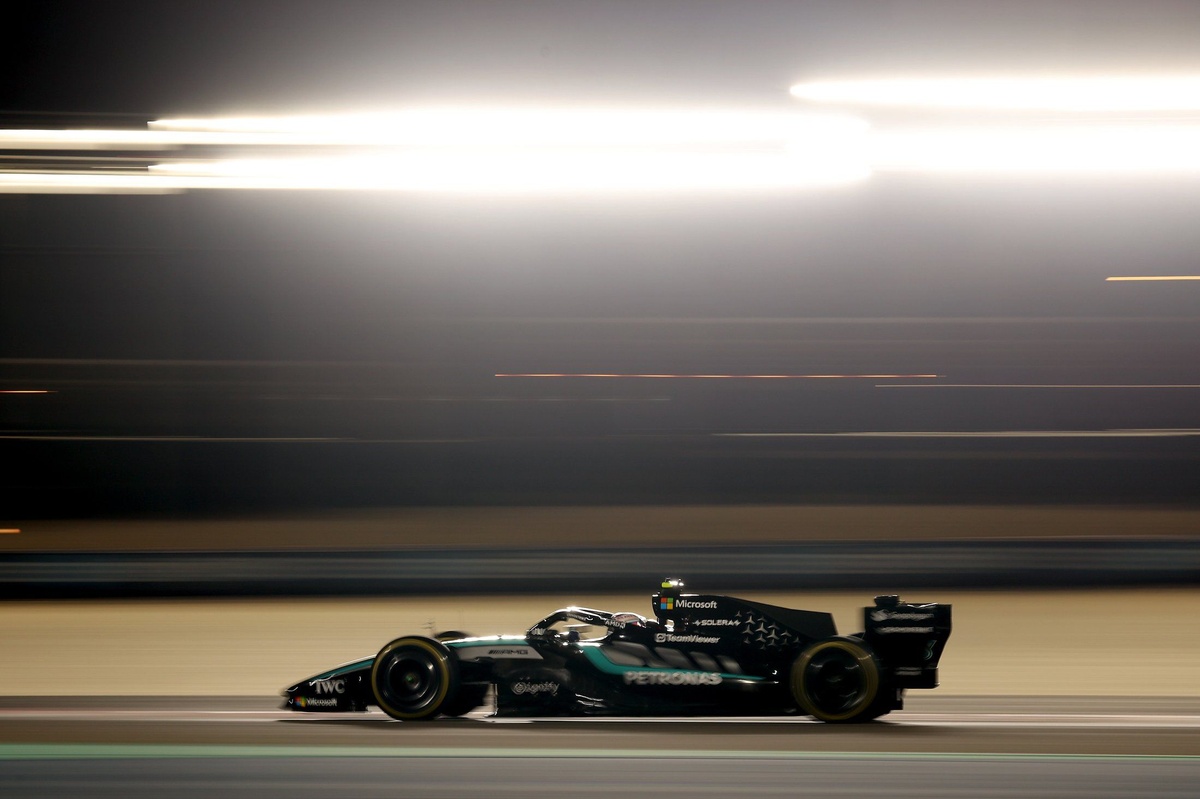


Formula 1's off-track drama is heating up, and McLaren CEO Zak Brown isn't holding back, calling the ongoing whispers about Mercedes' 2026 power unit compression ratio "typical politics." As the grid gears up for another season, a technical dispute threatens to overshadow the racing, but Brown is keen to set the record straight on the Mercedes F1 engine controversy.
- Mercedes' next-generation power unit faces scrutiny over its compression ratio from rival manufacturers.
- Audi, Honda, and Ferrari believe Mercedes exploits a loophole, gaining an advantage under racing conditions.
- McLaren CEO Zak Brown dismisses these complaints as "typical Formula 1 politics."
- Brown asserts the Mercedes engine is fully compliant and that Mercedes-powered teams will race in Australia.
The Engine Enigma: Mercedes Under the Microscope
The heart of the dispute lies in the V6 combustion engines' compression ratio, specifically the 16:1 limit set for the 2026 generation power units. This regulation was designed, in part, to make engine manufacturing more accessible for newcomers like Audi. However, some rivals allege that Mercedes has found a clever engineering solution.
Competitors like Audi, Honda, and Ferrari are convinced that while Mercedes' power unit adheres to the 16:1 ratio in static, cold measurements (as checked by the FIA), it expands this ratio under hot, running conditions. This perceived "trick" could translate into a significant performance advantage on track, sparking intense debate behind the scenes. Mercedes, however, strongly maintains that its power units are entirely legal.
Brown's Bold Stance: "Just F1 Politics"
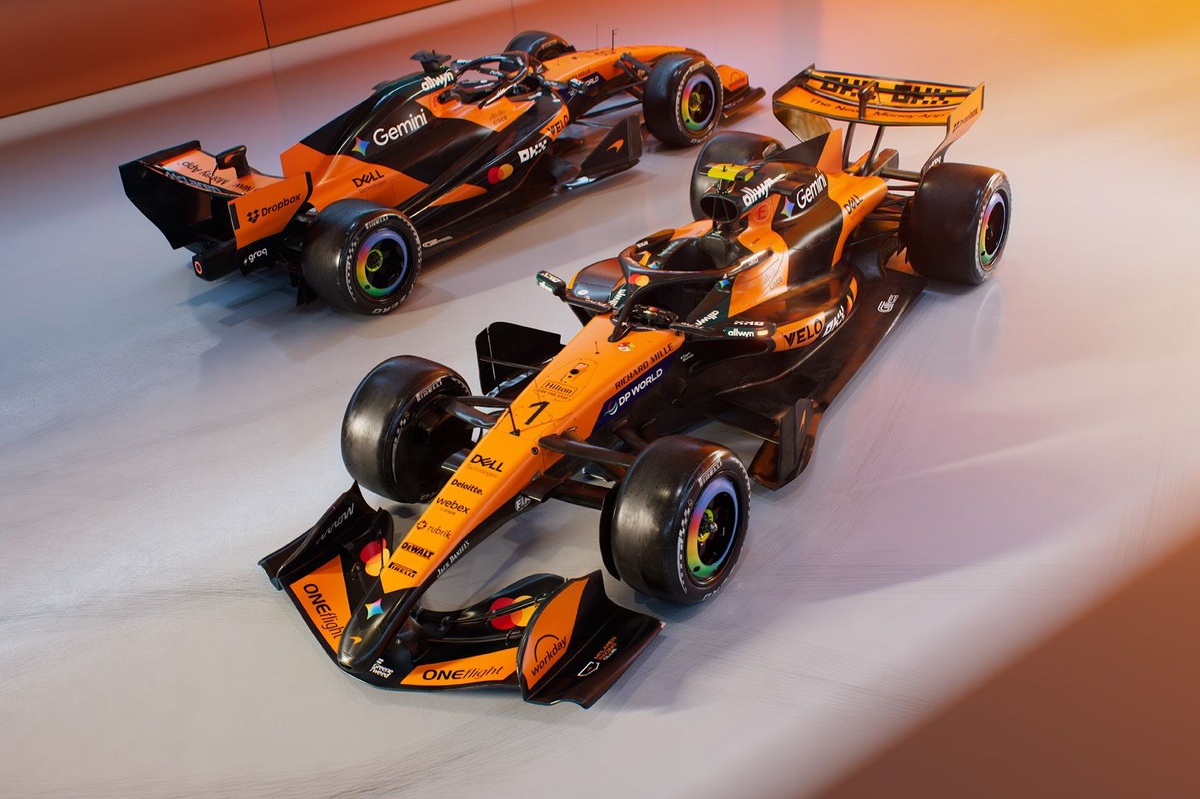
Speaking at the launch of McLaren's 2026 challenger, the MCL40, Zak Brown didn't mince words. "It's typical politics of Formula 1," he stated, clearly dismissing the complaints. Brown's team, McLaren, is one of four outfits running Mercedes power alongside the works team, Williams, and Alpine.
He drew parallels to past F1 technical controversies, citing "double diffusers" as an example of innovative designs that were "compliant within the rules." Brown further emphasized, "I don't believe there's a significant advantage as being represented by the competition, but of course their job is any perceived advantage, they'll make a story out of it." He applauded Mercedes HPP for their engineering prowess.
The FIA's Intervention and the Road Ahead
The technical dispute hasn't gone unnoticed by the sport's governing body. The FIA and F1's Power Unit Advisory Committee have discussed the matter extensively. Ideas for clamping down on potential loopholes include conducting tests after the engine has warmed up or deploying additional sensors to monitor performance during active running.
However, any significant changes to FIA testing procedures or power unit regulations would need to navigate complex governance processes, requiring a "super majority." This means securing backing from four out of five manufacturers, plus the FIA and commercial rightsholder FOM. The FIA is eager to resolve this issue before the 2026 season, but short-term rule tweaks before the March Australian Grand Prix seem unlikely, given the potential feasibility challenges for manufacturers.
No Grid Lockout: Confidence for Australia
Despite the ongoing discussions and the push for changes by rival teams, Zak Brown unequivocally dismisses any "fearmongering" about Mercedes-powered teams facing a grid lockout in Australia.
"I can't imagine that you wouldn't have Mercedes teams on the grid in Australia," Brown affirmed. He expressed confidence that all teams running Mercedes power units would be ready to race, highlighting that while he isn't privy to all technical conversations, the fundamental legality remains unchallenged. It's a clear message: the show will go on.