

F1 Engine Rules Under Fire: Red Bull Questions FIA ADUO Results
Formula 1’s engine power struggle just took a dramatic turn, with Red Bull Racing igniting a full-blown review into the sport’s controversial ADUO regulations. What was designed to level the playing field might instead be inadvertently bolstering the already strongest teams.
Key Points:
- Red Bull Ford Powertrains was initially deemed the benchmark for Internal Combustion Engine (ICE) power.
- Mercedes, Ferrari, Audi, and Honda are all eligible for additional upgrade tokens based on their measured deficits.
- The FIA's public announcement of results is delayed as Red Bull has requested an official verification.
- Serious questions are being raised about ADUO's measurement methods, as it only assesses ICE but allows upgrades across the entire power unit, potentially favoring stronger overall packages.
Red Bull Challenges the Benchmark Status
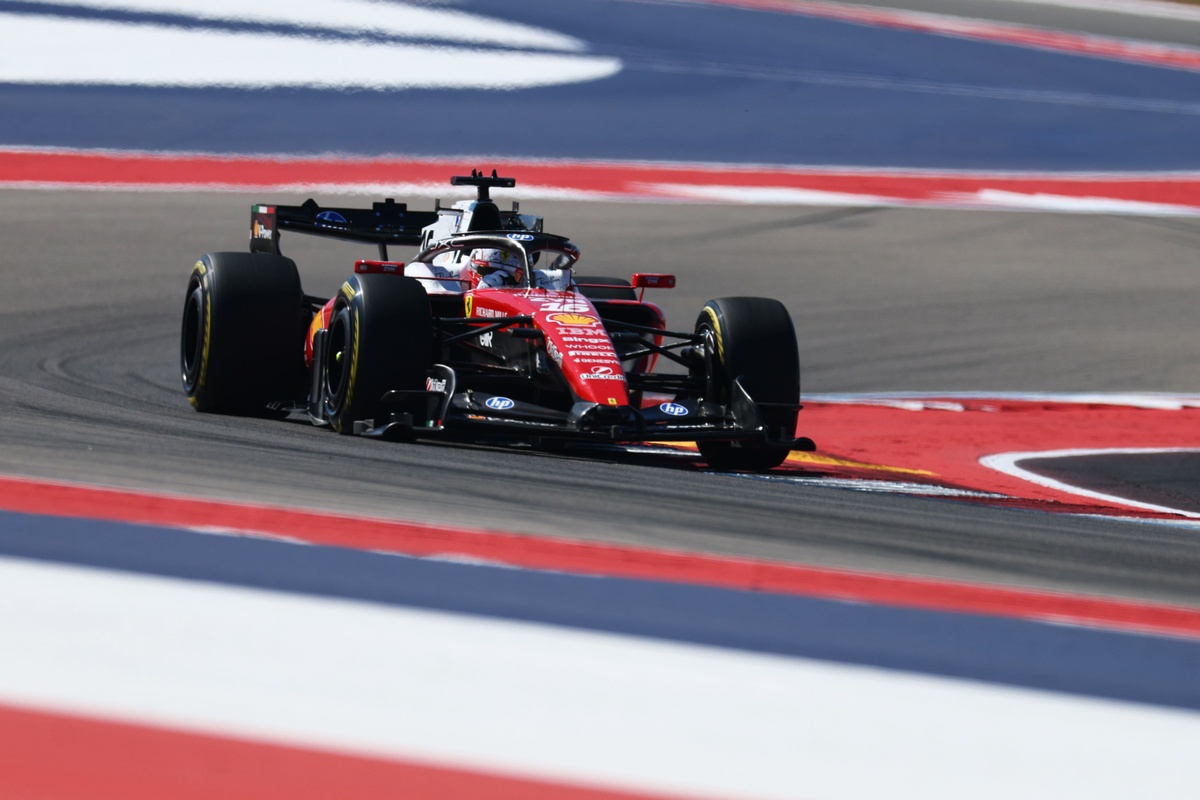
The paddock was buzzing with the initial findings from Formula 1’s first ADUO (Additional Upgrade and Development Opportunities) period. While Red Bull Ford Powertrains proudly stood as the benchmark in ICE performance, other manufacturers weren't far behind – or, in some cases, significantly so. Mercedes' ICE reportedly trailed by 2-4%, granting them one upgrade this year and another in 2027. Ferrari, Audi, and Honda faced a deficit of over 4%, earning them two upgrades in the current season and two more for 2027.
However, the FIA's official publication, initially slated for two weeks post-Canadian Grand Prix, has been put on hold. The reason? Red Bull has requested an additional review of the results. This re-evaluation, expected to take up to ten days, means the ultimate truth of the power unit pecking order is still in limbo.
The Glaring Flaw in F1's Engine Rules
Beyond the raw numbers, a more fundamental problem plagues the ADUO system, one that could warp the competitive landscape.
ICE vs. Total Power Unit Performance
The core of the controversy lies in the disparity between what's measured and what can be upgraded. ADUO exclusively measures the Internal Combustion Engine. Yet, manufacturers who qualify for additional development are permitted to modify not just the ICE, but also vital electrical components like the battery and the MGU-K. This distinction is critical.
Here’s the rub: while Red Bull’s ICE may be leading, the widespread consensus in the paddock is that Mercedes still fields the most potent overall power unit. If these results stand, a genuinely dominant force like Mercedes could receive opportunities to further enhance their already superior package – a scenario completely contrary to ADUO’s original intent of promoting convergence and supporting those truly lagging behind.
FIA's Defense: A Rule Teams Agreed To
FIA single-seater director Nikolas Tombazis has noted that all teams and power unit manufacturers previously agreed on this simplified approach.
Speaking about discussions in early 2025, he explained that the FIA had proposed including more detailed parameters such as turbo pressure, turbo size, and plenum operating temperatures. However, manufacturers ultimately preferred a simpler system.
A second concern is that the ADUO system introduces strategic elements similar to a game of chess. While manufacturers are not allowed to stockpile upgrades, the timing required to introduce developments can still create tactical advantages.
For example, if Mercedes or Ferrari delay introducing certain upgrades ahead of the next assessment point, Red Bull could remain at the top of the rankings for longer, leaving them ineligible for further development opportunities.
Although these structural limitations are unlikely to be resolved in the short term, the FIA is currently reviewing the situation at Red Bull’s request to verify whether the published results are accurate before releasing them publicly.