

The Austin Paddock Buzz: Unpacking the Speculation
During the post-race media sessions at the US Grand Prix in Austin, an unexpected question caught Aston Martin's chief trackside officer, Mike Krack, and Red Bull team principal, Laurent Mekies, off guard. They were asked if they could rule out a future power unit partnership between their brands. This seemingly out-of-the-blue query quickly became a major talking point.
Digging into the source, it appears the speculation originated from a misreading of a BBC article. The piece discussed whether customer teams might eye Red Bull Ford's competitive power unit in the future. Crucially, it only speculated that doubts about Honda's performance could resurface for Aston Martin if the Japanese manufacturer failed to make significant strides by 2027 or 2028. This nuance was lost, transforming a hypothetical scenario into a full-blown rumor.
Aston Martin's Green Light for Honda's Future
Stroll's Vision and Honda's Resolve
While Aston Martin team owner Lawrence Stroll initially faced concerns about Honda's power unit capabilities at the start of F1's new era, the team's commitment remains steadfast. Honda has a proven track record of turning difficult situations around, famously transforming its challenging start with McLaren into multiple championship wins with Red Bull.
This historical resilience fuels Aston Martin's confidence. They see a dedicated partner in Honda, fully aware of current shortcomings and aggressively working towards significant improvements. As Mike Krack emphatically stated, “We have a long-term partner, which is Honda... and I think we will be together also when we win our first race together.”
The Strategic Advantage of a Works Partnership
Aston Martin made a deliberate choice for a works deal, recognizing it as the vital next step in the team’s evolution. This close collaboration allows for far greater integration of the power unit into the chassis, a critical factor for success under the new 2026 regulations. Even engineering legend Adrian Newey highlighted Honda's current energy and promising development projects, underscoring the potential for this partnership.
This deep integration and shared vision for improvement make abandoning the Honda deal highly improbable. It would be a short-sighted move, sacrificing long-term potential for immediate, speculative gains.
Red Bull Powertrains: Building In-House, Not Branching Out
A Singular Focus on Ford Collaboration
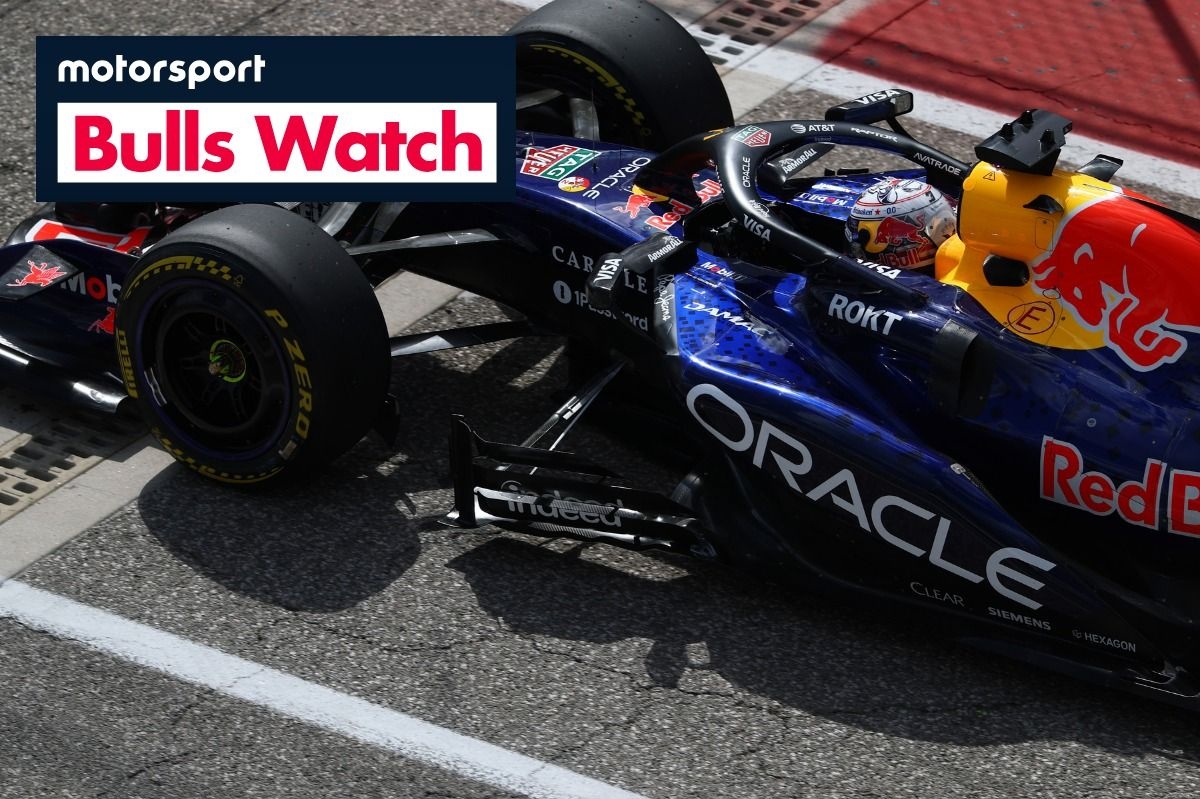
On the other side of the garage, Red Bull Powertrains has certainly exceeded expectations with its initial progress alongside Ford. However, team principal Laurent Mekies quickly shut down any notion of supplying external customer teams.
“Are we having any serious conversations with anyone to supply another team? No, we don't feel we are ready for that,” Mekies stated. He emphasized that the focus remains on refining their own power unit and its integration, aiming to match the top competitors before considering broader supply. “Nothing will change in the next year or so,” he added, leaving little room for ambiguity.
Data Advantage Secured
Another key reason for Red Bull's reluctance is practical: they already gather extensive data. With two teams – Red Bull Racing and its sister team, Racing Bulls – utilizing their power units, Red Bull Powertrains already has four cars providing crucial development data. This negates a primary incentive for manufacturers to seek additional customer teams.
The Verdict: Much Ado About Nothing?
Considering both Aston Martin's unwavering commitment to Honda and Red Bull Powertrains' singular focus on internal development, the idea of an immediate engine partnership between the two seems far-fetched. The recent F1 paddock frenzy truly appears to be a classic example of a