

The glaring absence of women on the Formula 1 grid isn't a question of capability, but a brutal reality check on the sport's talent pipeline, argues F1 legend Jacques Villeneuve. This stark assessment comes hot on the heels of Jamie Chadwick's historic Williams F1 test, reigniting the debate.
Key Takeaways:
- Jacques Villeneuve believes a small talent pool is the primary barrier for women entering F1.
- Jamie Chadwick’s Williams test confirms that women possess the physical capability to drive modern F1 machinery.
- The scarcity of F1 seats affects all aspiring drivers, male and female.
- More female participation in junior categories is crucial for future representation at the pinnacle of motorsport.
The Numbers Game: Villeneuve's Blunt Assessment
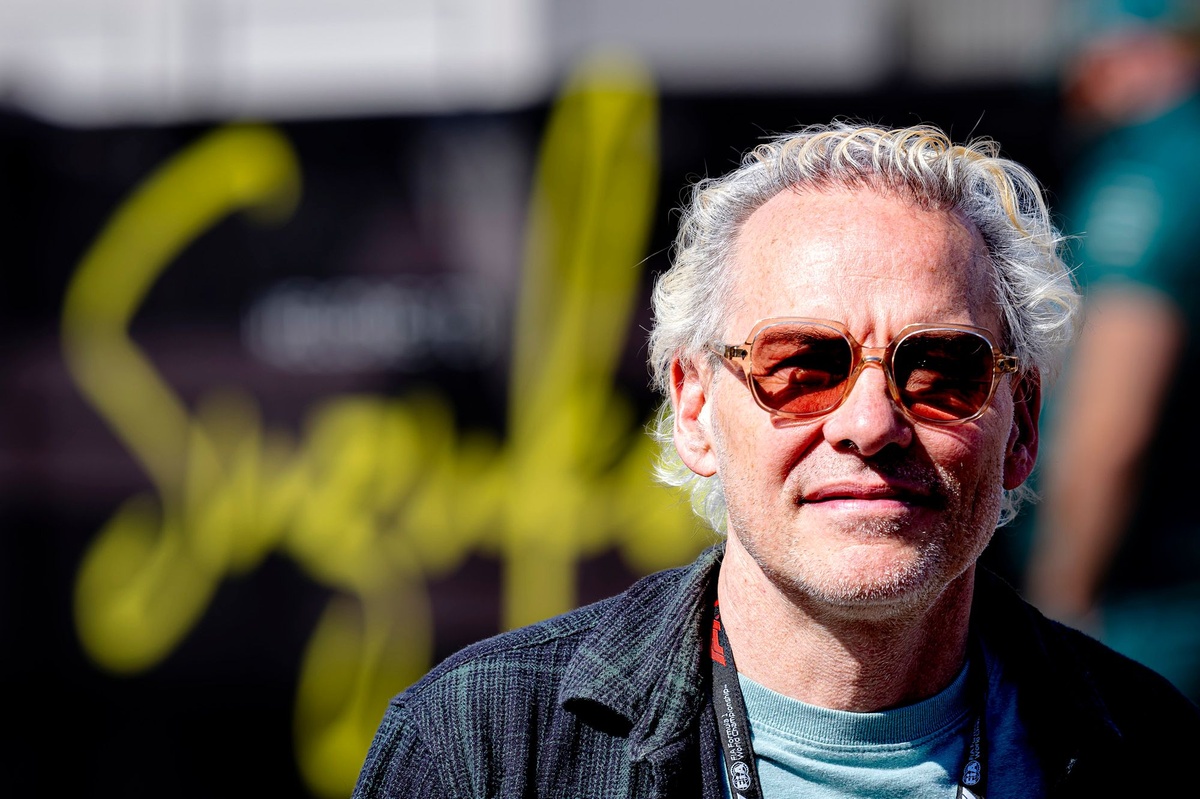
Jacques Villeneuve, the 1997 Formula 1 champion, offered a candid explanation for the lack of female drivers at the elite level. Speaking on Sky Sports F1 in Azerbaijan, he highlighted a fundamental issue: the sheer volume of participation.
According to Villeneuve, the talent pool of women actively pursuing motorsport is disproportionately small. He estimated a ratio of "1000 men" for "maybe one woman trying," severely complicating the path to the top. It's a challenging reality, not a reflection of potential.
Chadwick's Insight: Beyond Just Seats
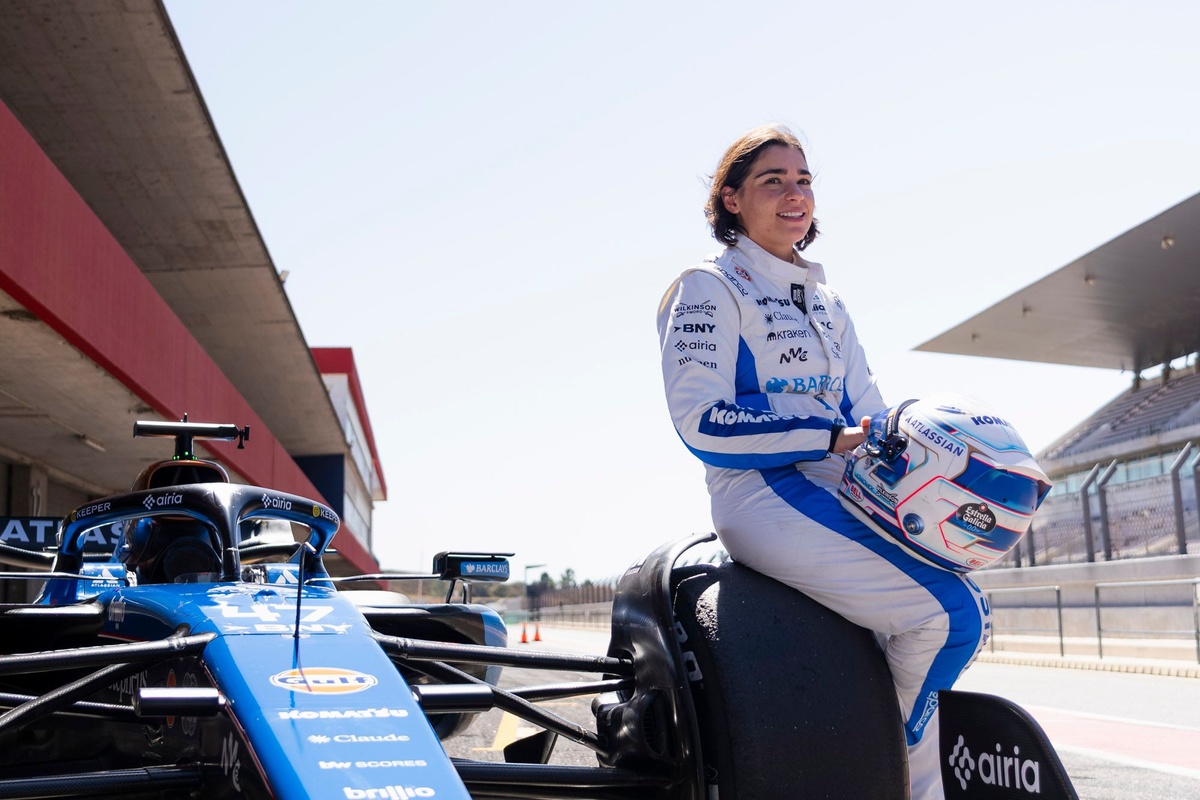
Joining the discussion, **three-time W Series champion** **Jamie Chadwick** brought a crucial contemporary perspective. Fresh from becoming the first woman in over a decade to test a modern **Williams F1** car, her experience was invaluable. The 28-year-old British driver and Williams ambassador confirmed that while securing a seat is tough for everyone in **F1**, the physical challenge isn't insurmountable for women.
Her recent test saw her complete **32 laps** of the **Portimao** circuit in the team's 2025 **FW47** machinery. This wasn't merely a symbolic drive; it was a rigorous evaluation. Though demanding on her neck, **Chadwick** unequivocally stated it was "possible." This real-world validation shatters any lingering doubts about physical limitations.
The Path to the Top Tier
While acknowledging the intense competition for **F1** seats, **Chadwick** stressed the long-term vision. Her test solidified that women are indeed capable. The next critical step, she believes, is seeing more women enter the sport at grassroots levels, progressing through the feeder series.
"We just need more getting into it," **Chadwick** asserted. The ultimate goal is to witness a female **Formula 3 champion**, a female **Formula 2 champion**, and ultimately, a woman earning a spot on the **F1** grid "fully on merit." Her test serves as a powerful beacon, proving the physical capability exists; now, the sport must foster the talent pool.