
Formula 1 has finally seen sense, admitting defeat on its controversial mandatory two-stop pit rule for the Monaco Grand Prix and scrapping it from the 2026 sporting regulations. This is a significant win for genuine racing, as the previous iteration fostered strategic manipulation rather than thrilling competition.
Key Takeaways from the FIA's Latest Rule Amendments:
- The much-maligned mandatory two-stop pit rule for the Monaco Grand Prix is officially abandoned for 2026.
- The FIA acknowledged the rule's failure to improve racing and its potential for "gaming the system."
- Q3 qualifying will be extended by one minute, while Q1 and Q2 eliminations will shift to six cars for 22-car grids.
- Plans for mandatory driver cooling vests are reversed; they will remain optional, albeit with ballast implications.
Monaco Madness: The Pit Stop Fiasco Scrapped
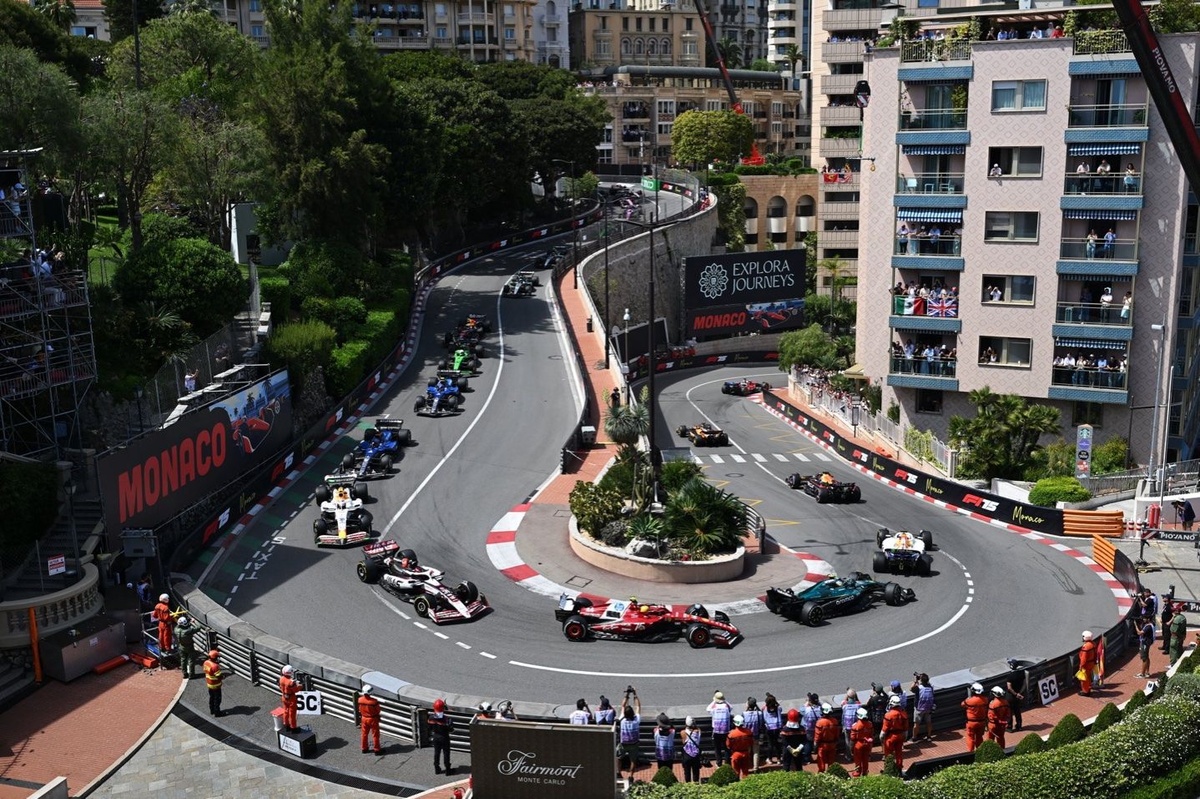
Last year, the FIA introduced a unique twist for the Monaco Grand Prix, mandating the use of three different tire compounds. The aim was noble: to inject more strategy and excitement into a race notoriously difficult for overtaking by forcing a two-stop strategy. However, the execution went sideways.
Instead of creating genuine racing spectacle, the rule became a loophole for teams. Outfits like Racing Bulls and Williams expertly exploited the system. They used one car to deliberately back up the field, creating a large enough gap for their teammate to pit without losing track position. This led to drivers running significantly slower – up to four seconds a lap – to game the system.
Williams team principal James Vowles openly expressed his discomfort, stating he felt "the most uncomfortable I've felt." He championed fighting for points "on merit," not through tactical exploitation. The spirit of competition was undeniably compromised.
FIA Listens: A Win for Sporting Integrity
Despite the widespread criticism and the obvious shortcomings, the controversial two-stop rule initially found its way into the 2026 sporting regulations via an e-vote by the FIA World Motor Sport Council. This initial inclusion puzzled many within the paddock, including Vowles.
However, after further crucial discussions, including insights from FIA single-seater director Nikolas Tombazis, common sense prevailed. The latest ratified version of the 2026 sporting regulations confirms the one-off clauses related to Monaco's tire usage have been completely deleted. This shows a commendable willingness by the FIA to course-correct and prioritize fair competition.
Beyond Monaco: Key 2026 F1 Rule Adjustments
The FIA didn't stop at Monaco; a series of other important refinements were also voted through, impacting qualifying and driver welfare.
Qualifying Format Gets a Tweak
Get ready for an extra minute of tension in the final qualifying shootout! Q3 will now last 13 minutes, up from 12. This subtle change could allow for more strategic tire management or an additional flying lap attempt, potentially adding another layer of drama to the battle for pole position.
Furthermore, with Cadillac's anticipated entry as the 11th team, bringing the grid to 22 cars, the Q1 and Q2 elimination process will see six cars knocked out instead of five. This adjustment is actually a standard part of the existing regulations for larger grids, ensuring a consistent qualifying structure even with more competitors.
Cooling Vests: Driver Choice Prevails
Following the brutal conditions of the 2023 Qatar Grand Prix, which saw many drivers suffer from severe heat exhaustion, the FIA explored measures to enhance driver safety. One proposal was making cooling vests mandatory in "Heat Hazard" scenarios.
However, driver opinions on the effectiveness and comfort of these vests remained split. The FIA has now walked back the mandatory aspect, opting instead to keep cooling vests optional. If a "Heat Hazard" is declared, teams must still carry the components of the driver cooling system, which contribute 2kg of ballast in qualifying and 5kg in races/sprints. Drivers who choose *not to wear* the cooling vest itself will incur an additional 0.5kg of ballast in the cockpit, balancing the scales. This is a pragmatic solution that balances safety concerns with individual driver preference and ensures the system is ready if needed.