


Formula 1 is a spectacle of speed, precision, and global ambition. But beneath the glamour and roaring engines, a silent crisis looms: the relentless grind of an ever-expanding calendar is pushing its dedicated personnel to the brink of "professional burnout," warns a former insider. The pursuit of more races for commercial gain is clashing head-on with the human cost, demanding urgent attention from the sport's leadership.
F1's Burnout Crisis: Key Concerns
- Calum Nicholas, a former Red Bull mechanic, issues a stark warning about severe professional burnout for Formula 1 personnel.
- The ever-growing F1 calendar, exemplified by the Bahrain Grand Prix's relocation to Malaysia for 2-4 October, places immense strain on teams.
- Teams, like Red Bull, are proactively implementing initiatives such as a 2025 mechanic rotation system to manage workload.
- Efficient geographical scheduling of races is vital to mitigate exhaustion and the toll of constant global travel.
The Relentless March: F1's Expanding Global Footprint
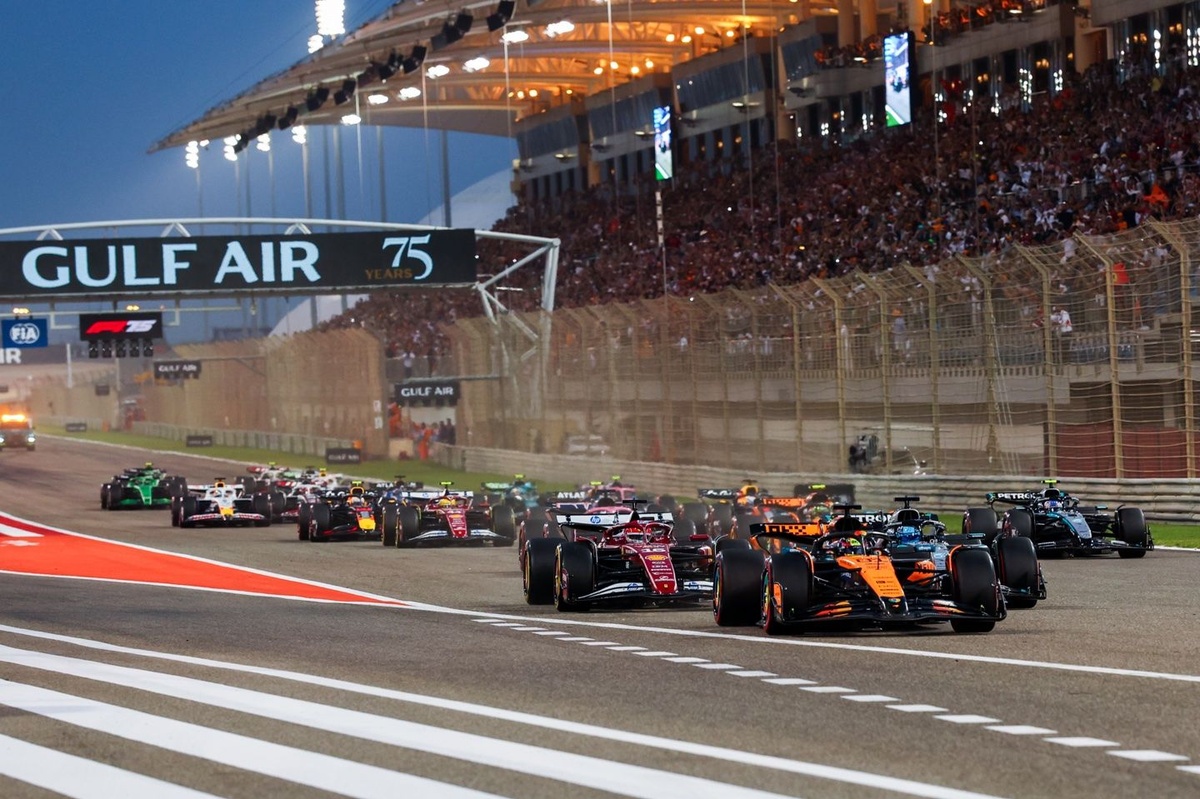
The Formula 1 calendar continues its seemingly unstoppable expansion, a testament to the sport's soaring global popularity. While fans eagerly anticipate more high-octane action, the constant addition of races, and the logistical nightmares they present, come at a significant cost to those who make the show possible. The recent decision to reschedule the Bahrain Grand Prix – initially cancelled due to conflict – for October 2-4 in Malaysia adds another long-haul challenge to an already packed schedule.
This move, announced during the Hungarian Grand Prix weekend, perfectly illustrates the dynamic and demanding nature of the modern F1 season. It’s a stark reminder that while the show must go on, the operational teams behind the scenes bear the brunt of these adjustments.
Beyond the Pit Lane: The Unseen Toll of "Professional Burnout"
Calum Nicholas, a veteran mechanic from Red Bull Racing, pulls back the curtain on the intense reality faced by travelling F1 staff. Speaking on the Talking Bull podcast, he didn't mince words, describing "professional burnout" as a "real thing." This isn't just about long hours at the track; it's a cumulative fatigue that builds relentlessly as the season progresses.
"It's all very well saying, ‘Well, you had time off earlier in the year,’ but there just comes a point where the workload can be too much," Nicholas explained. The impact extends far beyond the individuals themselves, significantly affecting their families back home who make profound sacrifices for their loved ones to pursue their passion on the global stage.
Strategic Scheduling: A Lifeline for F1's Workforce
Recognizing this mounting pressure, Formula 1 teams are exploring innovative solutions. Red Bull Racing, for example, is pioneering an initiative for 2025 that will empower mechanics to strategically choose a set number of races to skip each year. This forward-thinking approach allows personnel to better plan their personal lives and manage their well-being.
Nicholas emphasizes that efficient calendar planning from Formula 1 itself is equally crucial. Grouping geographically close races, such as the Austria, Britain, and Belgium triple-header, significantly reduces travel fatigue. Conversely, distant clusters like Vegas, Qatar, and Abu Dhabi create immense stress due to extensive travel and debilitating jet lag. It's imperative that commercial interests are balanced with the physical and mental health of the sport's most vital asset: its people. The future sustainability of F1 depends on it.