

F1's Last V10 Roar: Toro Rosso's Forgotten 2006 Rebellion
The whisper of turbocharged V8s returning to Formula 1 in the post-2031 era is exciting, yet it instantly transports us back to another pivotal engine shift. Back in 2006, F1 made a seismic change, ushering in the 2.4-litre V8 era. But amidst this revolution, one team dared to cling to the past, igniting a forgotten paddock firestorm: Toro Rosso and its defiant, restricted V10 engine.
Key Points:
- Formula 1 transitioned to 2.4-litre V8 engines in 2006 to reduce costs and power levels.
- Toro Rosso, previously Minardi, received special dispensation to run a rev-limited Cosworth V10.
- Rival teams feared the V10 would offer an unfair performance advantage, particularly in torque and reliability.
- Despite early concerns and strong opinions, the Toro Rosso V10 proved uncompetitive, scoring just one point.
The Great Engine Shift: Why F1 Ditched the V10s for V8s
Formula 1 has always been at the cutting edge, but sometimes, change is driven by practicality. Two decades ago, soaring development costs and escalating power figures forced the FIA's hand. The glorious, screaming V10s, which often exceeded 1000bhp, were simply becoming too expensive and too fast.
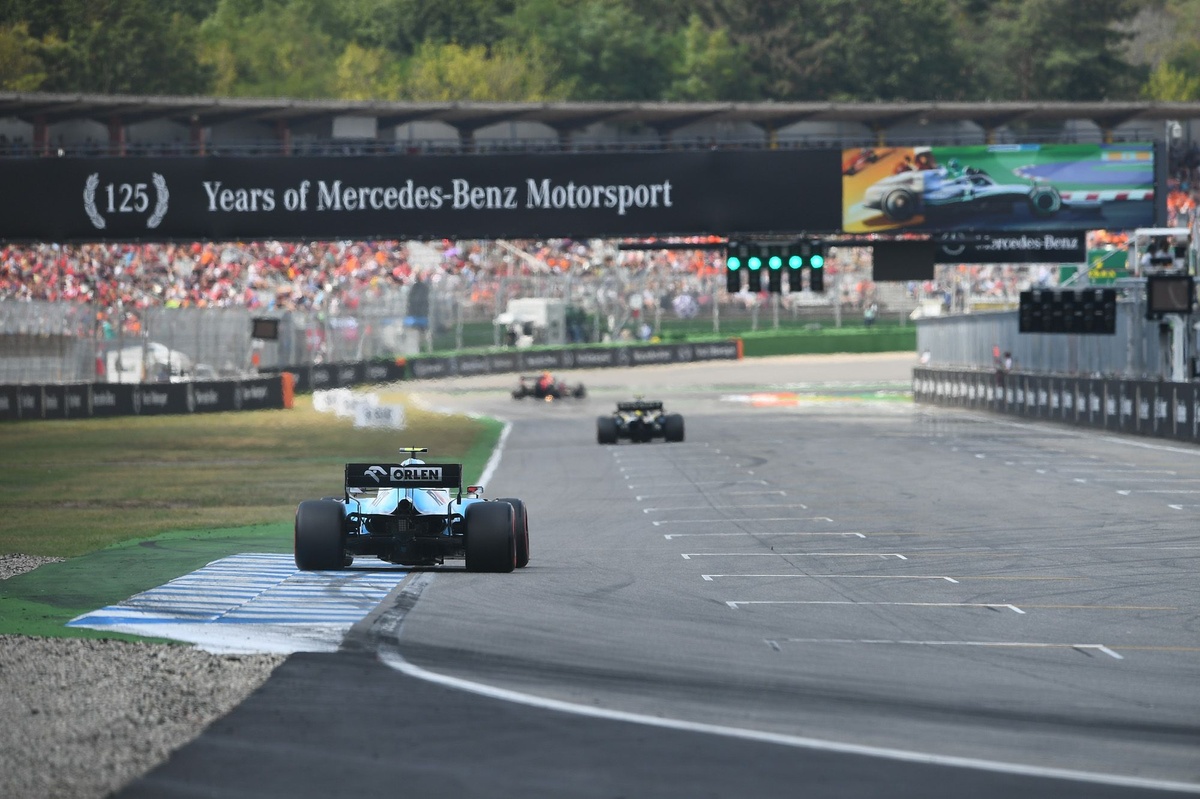
Thus, the 2006 season heralded the arrival of the 2.4-litre V8 engine. These units, capped around 750bhp, featured strict architectural and material regulations to rein in costs. Major manufacturers like Mercedes, Ferrari, Renault, Toyota, Honda, and BMW all developed new V8 powerplants, ensuring a diverse grid.
Toro Rosso's Roaring Rebellion: The Last V10 Stand
But a single exception stirred the pot. Red Bull had just acquired the struggling Minardi team, rebranding it as Scuderia Toro Rosso. Their mission was clear: nurture young talent. Through a clever regulatory loophole and a special dispensation, Toro Rosso was allowed to run Red Bull's 2005 chassis and, crucially, a rev-limited Cosworth V10 engine.
This wasn't just any old engine; it was the last of its kind on the F1 grid. The V10 was capped at 16,700rpm and fitted with a 77mm air restrictor to theoretically balance its performance against the new V8s. The move was a lifeline for the formerly cash-strapped team, now backed by a global giant.
Paddock Paranoia: Was the V10 Truly Superior?
The paddock erupted with debate. Rivals like the Midland team voiced strong objections, arguing that a multinational-backed Toro Rosso with a V10 could gain an unfair edge. Even with restrictions, many believed the V10 would offer a significant torque advantage off the line and superior reliability.
Mercedes chief Norbert Haug went as far as to suggest the V10 still held a 70bhp advantage, fearing Toro Rosso could even challenge for podiums. However, Toro Rosso team principal Franz Tost vehemently denied these claims, pointing to their test deficits of 1.0 to 1.5 seconds per lap and lower top speeds.
Gerhard Berger, a Toro Rosso shareholder at the time, echoed Tost's skepticism. He argued that early strong showings, like Vitantonio Liuzzi's FP2 sixth in Bahrain, were circumstantial, due to fresh tyres and other teams conserving their new V8s for the two-race engine cycle.
The Numbers Don't Lie: V10's Final Whimper
Despite the pre-season uproar, the reality on track was stark. The Toro Rosso STR01, essentially a modified 2005 Red Bull RB1 with the restricted V10, struggled for pace. While Liuzzi and Scott Speed occasionally made it into Q2, they were never a genuine threat to the established midfield.
Technical figures like Williams' Patrick Head and BMW's Mario Thiessen acknowledged the inherent advantages of a V10 (torque, reliability, potential for race-long qualifying pace if optimized), but they also highlighted that Cosworth's restricted unit wasn't optimized for its new operating conditions. It was an older engine, running in a compromised state.
The initial dissent over the V10 quickly faded as Toro Rosso proved uncompetitive. They scored just one single point throughout the entire 2006 season, a fortunate result for Liuzzi at the United States Grand Prix following a multi-car pile-up.
A Quiet Farewell to a Legendary Engine
By 2007, the V10's swansong was over. Red Bull secured Renault V8s for its main team, and the Ferrari V8 supply agreement was grudgingly transferred to Toro Rosso. The era of the V10 engine in Formula 1 had truly ended, not with a triumphant roar, but with a quiet, if controversial, whimper. It was an anticlimactic end for such an iconic piece of racing machinery, but a fascinating chapter in F1's ever-evolving technical saga.