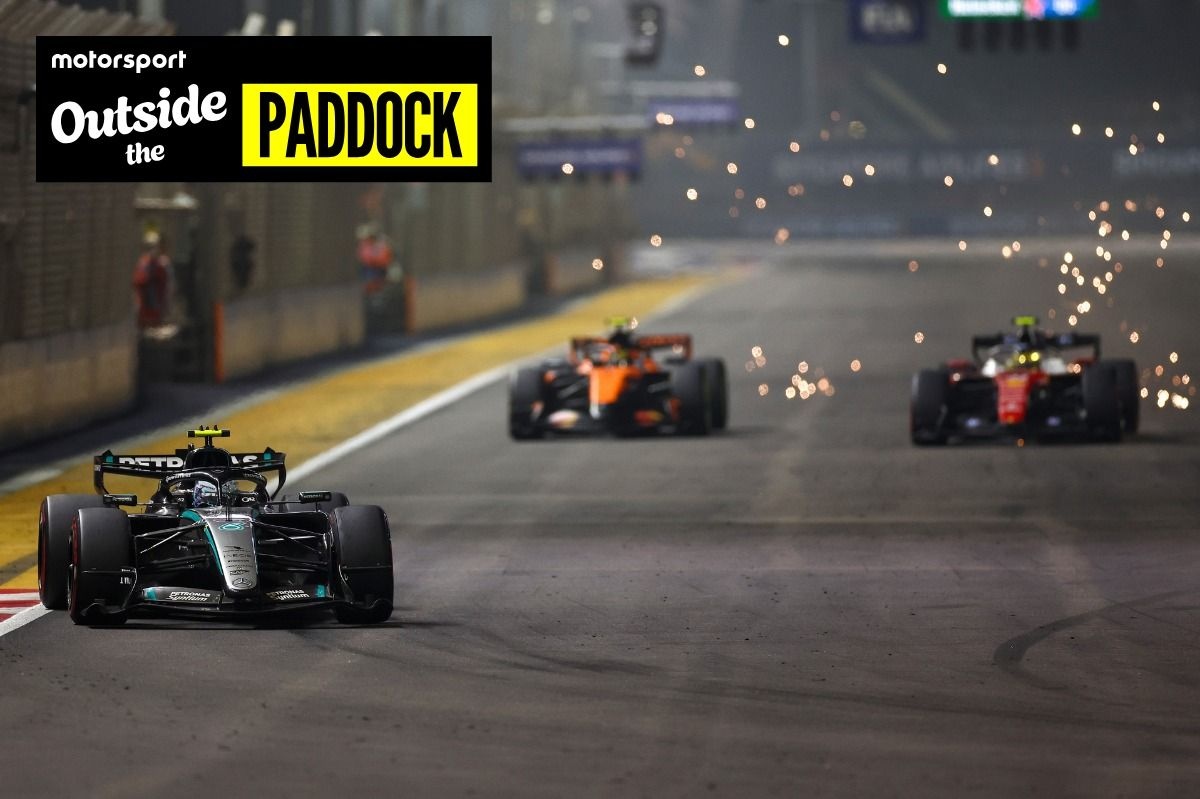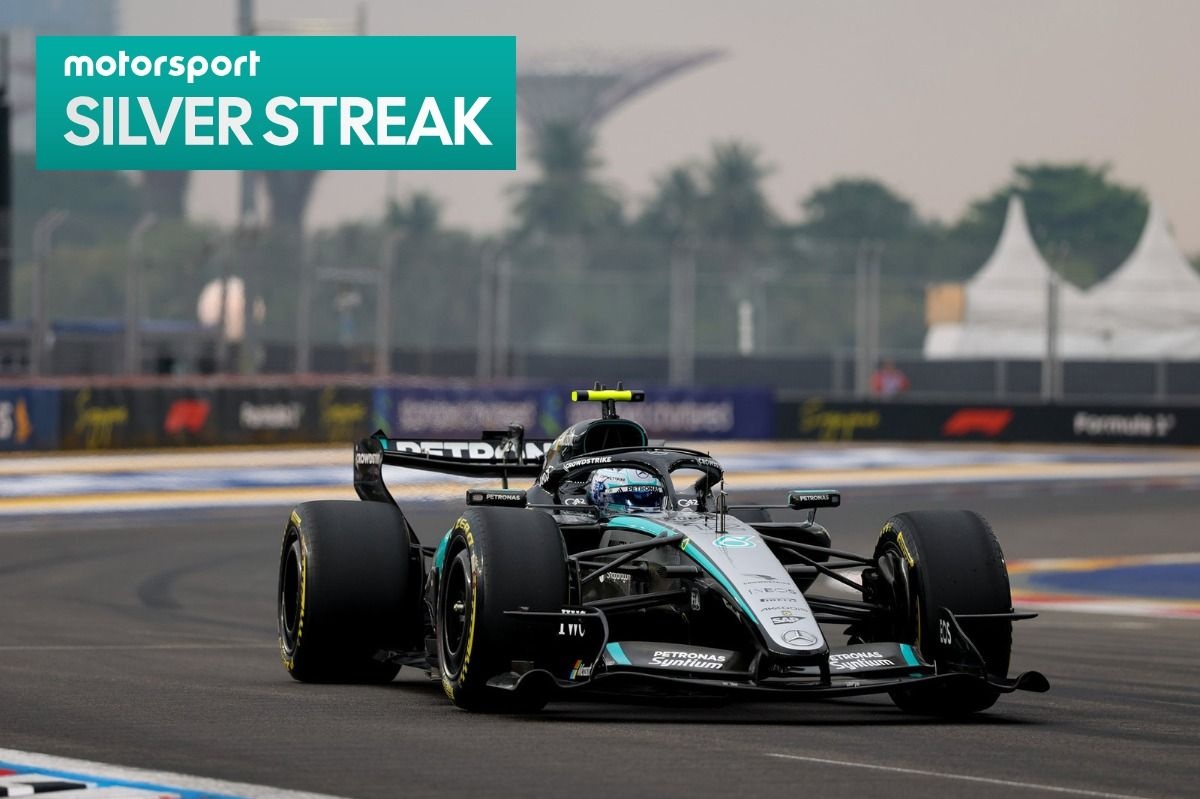


The roar of an F1 engine once signaled raw power and sublime skill, but today, drivers face an undeniable truth: Formula 1 cars are becoming mind-bogglingly complex. The question isn't if they're complicated, but too complicated, a debate sparking sharp words from champions and rising stars alike.
Key Takeaways on F1 Car Complexity:
- Max Verstappen delivers blunt criticism of the modern F1 car experience, valuing pure driving feel.
- Lando Norris shows a noticeable shift in perspective, embracing the complexity despite past desires for simplicity.
- The upcoming 2026 F1 regulations are poised to introduce even more intricate in-car management.
- A nostalgic look back suggests F1 might benefit from a return to simpler, driver-focused mechanics.
Verstappen's Unfiltered Take: Are F1 Cars Losing Their Soul?
Max Verstappen pulls no punches. The reigning champion recently voiced his frustrations, suggesting that the intricate nature of current F1 machinery detracts from the pure joy of driving. For a driver of his caliber, such honesty offers a rare glimpse into the cockpit experience.
His critique resonates deeply with many fans who yearn for racing that prioritizes raw talent over technological wizardry. Verstappen has consistently been an advocate for cars that are challenging to drive, not just to manage.
Lando Norris: The Shifting Sands of a Driver's Demands
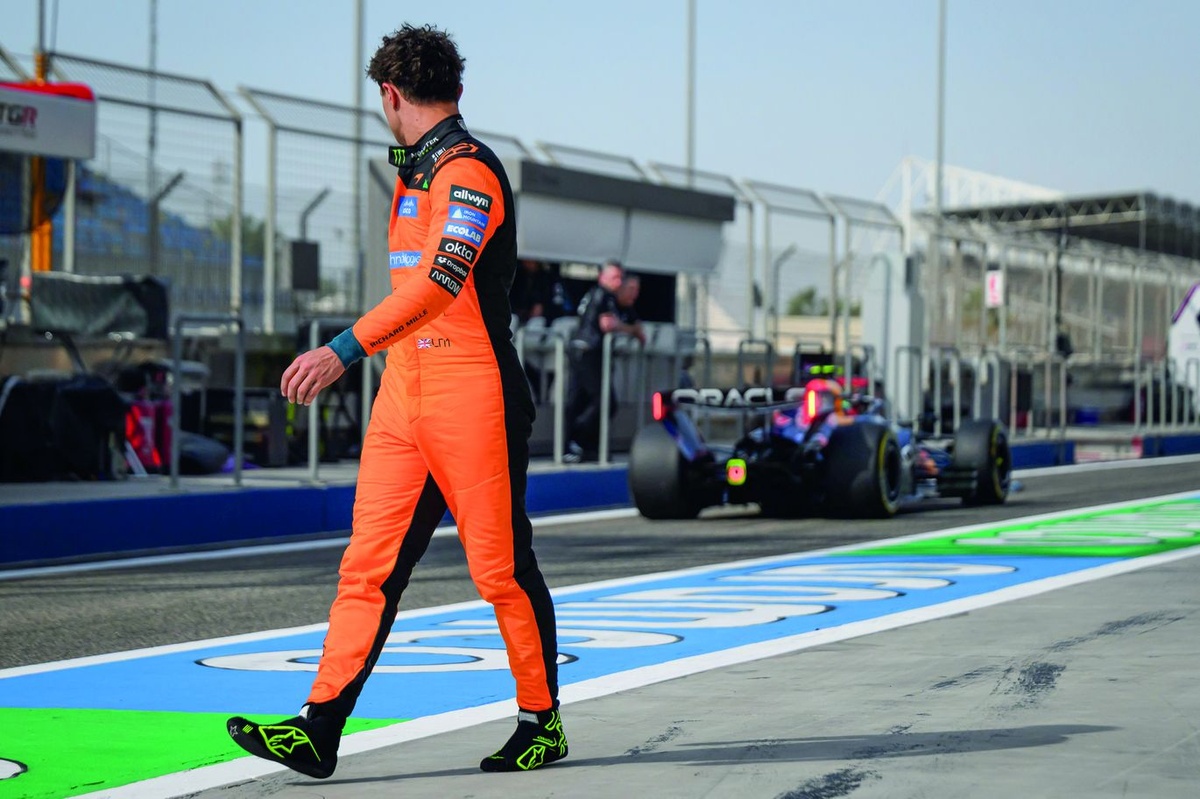
Interestingly, McLaren star Lando Norris presents a contrasting, and seemingly evolving, viewpoint. While he previously expressed a desire for simpler cars – lamenting “DRS nonsense” and wishing to “just drive the car” – his recent comments suggest a more pragmatic acceptance.
Norris light-heartedly quipped that drivers are paid "a stupid amount of money," implying that complaints about car complexity are perhaps unwarranted. This shift highlights the pressures and realities faced by drivers in a sport increasingly defined by its technological frontier and astronomical salaries.
The 2026 Conundrum: A Pilot's Cockpit or a Supercomputer?
The complexity is only set to escalate with the 2026 F1 regulations. These new rules promise a future where drivers will juggle an array of new buttons, energy recovery modes, and active aero adjustments, all while hurtling at breakneck speeds. It's a daunting prospect for even the most gifted.
Imagine a scenario where a driver must deliberately slow down in one sector to gain an advantage elsewhere, constantly adjusting boost settings and energy savers. This intricate "go slow to go fast" strategy, dictated by a thousand variables and technical directives, threatens to turn race craft into a mere exercise in button-pushing and system management.
Echoes of Simpler Times: The 'Jam Jar Fix' Philosophy
Perhaps Formula 1 could learn a lesson from a bygone era. Picture **Kirkistown** in the 1960s, where legendary car designer **John Crossle** faced a panicked driver with a flashing oil light. His solution? He peeled a sticker from a jam jar and placed it over the warning, advising, “It won’t cure the problem, but it’ll take your mind off it.”
This charming anecdote, while humorous, underscores a profound point. In an age where F1 appears to chase complexity for its own sake, sometimes the most elegant solution is the simplest one. Could a less convoluted set of rules allow drivers to focus on what they do best – racing – rather than being overwhelmed by a digital cockpit? The debate rages on.