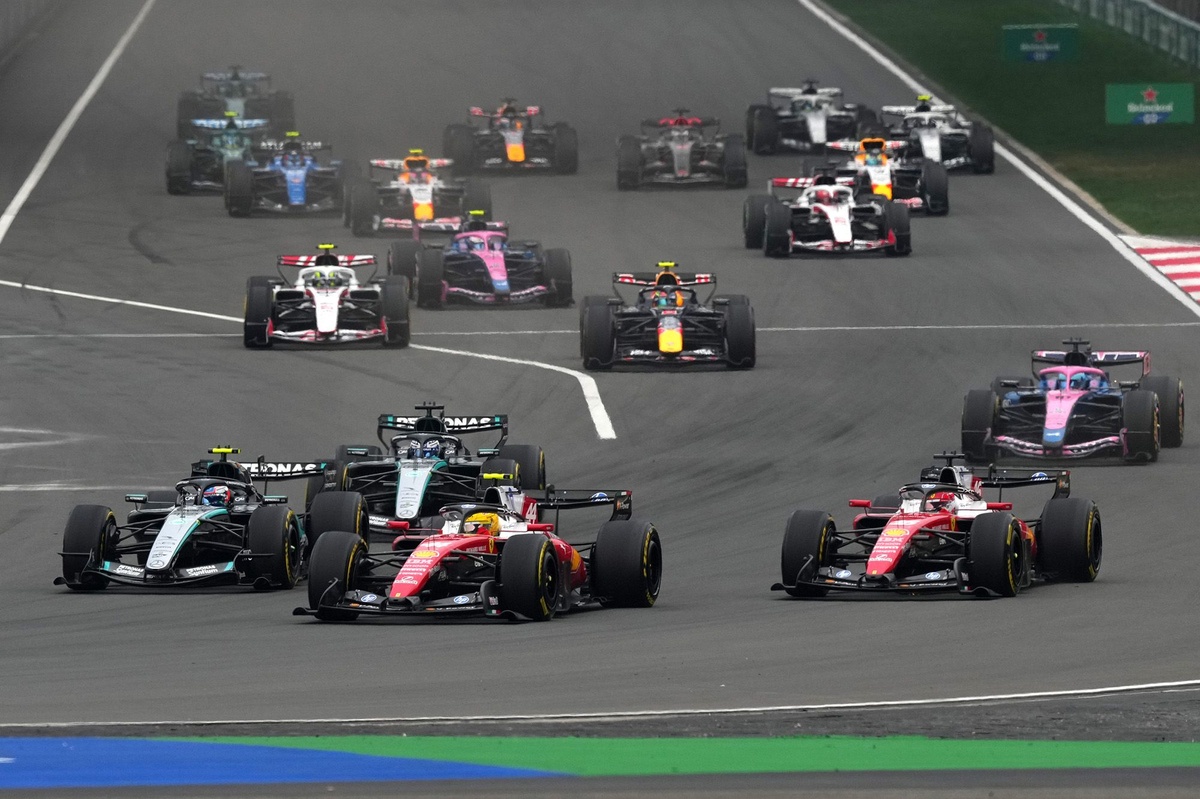

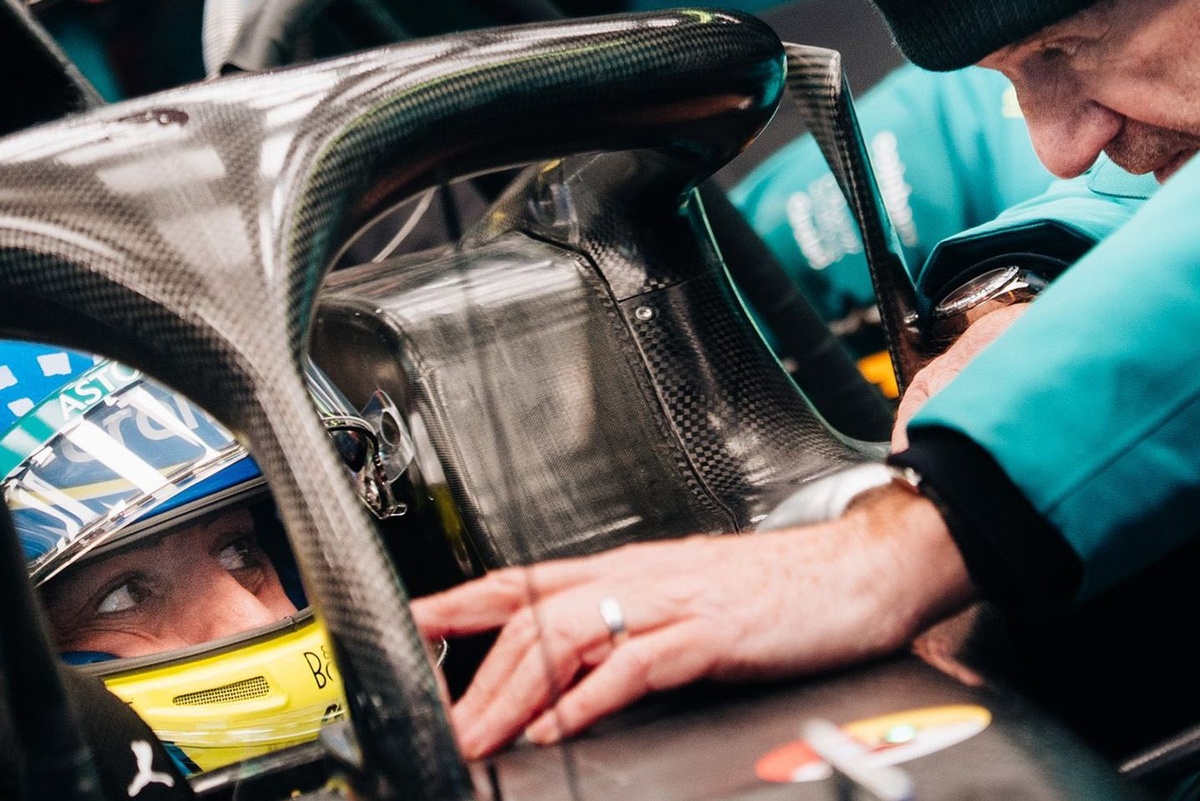

Formula 1 is at a crossroads, and legendary driver Fernando Alonso isn't shy about expressing his concerns over the looming 2026 technical regulations, fearing a future where efficiency triumphs over raw, unadulterated driving passion. The two-time world champion believes the sport is heading towards a "management race," a stark departure from the visceral thrill he once knew.
Key Points:
- Fernando Alonso labels the upcoming 2026 F1 regulations as a significant shift towards "management racing."
- He finds the current emphasis on energy management "annoying" as it prevents driving at "100%. "
- The Spanish veteran fondly recalls the V10 era (late 90s/early 2000s) as the "peak of Formula 1 DNA" for its pure driving experience.
- Despite his reservations, Alonso, with experience from IndyCar and WEC, is confident drivers will adapt to the new challenges.
The Dawn of a "Management Race"
The 2026 F1 season promises a complete technical overhaul, designed to shake up the grid and theoretically offer every driver a shot at competitive machinery. However, for veteran Fernando Alonso, these changes raise significant questions. He speculates whether Formula 1 is poised to become more about strategic management than outright speed.
When pressed on the anticipated shift, Alonso conceded that every era demands unique driving techniques. Yet, he highlighted the 2026 rules as "a little bit more dramatic" in this regard. The intricate energy management required, even in qualifying, is "a little bit annoying from a driver point of view." Drivers, he asserts, want to push the limits, not constantly "think a little bit more than that" about efficiency.
When Raw Pace Takes a Backseat
The sentiment echoes a growing concern among purists: is F1 sacrificing the raw spectacle of drivers wrestling powerful machines at the absolute edge? Alonso understands the sport's direction with hybrid power units. He points to his experiences in IndyCar, where fuel saving dominates 75% of the race, and WEC with its complex hybrid energy control. He’s seen it before, and he’s adapted.
Ultimately, "it's just racing," Alonso states, acknowledging that drivers will "get used to it." But the underlying preference remains clear: a desire to drive "flat out" with a different kind of car.
A Driver's Heart: Longing for the V10 Era
Having debuted at the 2001 Australian Grand Prix, Alonso has witnessed numerous transformations in F1. He firmly believes the sport will never revert to the "late 90s or early 2000s" – the revered V10 era. That period, he reminisces, represented the "peak of the Formula 1 DNA," characterized by lighter, faster cars and intoxicating engine noise.
Modern F1, by contrast, is "different for sure," whether "better or worse" is subjective. From a driver's perspective, however, the past offered greater satisfaction.
The Pure Thrill of the Limit
Alonso articulates a common lament among long-time fans and drivers alike: the older cars delivered "more adrenaline" and a heightened "sense of driving at the limit." He draws a parallel to karting, calling it "probably the purest motorsport racing." The joy, he explains, comes from pushing "cars at the limit of the physics" rather than navigating a "robot style of driving" focused on maximizing efficiency.
The sheer "joy behind the wheel" is at risk when drivers "need to overthink a little bit" and countless systems interfere with their natural driving style.
Adapting to the Modern Sporting Arena
This shift isn't unique to F1, in Alonso's view. He sees a similar evolution across various sports. Twenty years ago, a single "magic night" from an individual could win a game in sports like football or basketball. Now, success hinges more on "structure" and "mechanisms."
The era where "inspiration from someone is a little bit forgotten" has arrived, he laments. While Alonso will undoubtedly tackle the 2026 regulations with his characteristic zeal, his comments serve as a poignant reminder of what some believe F1 has lost – and what future rules might further dilute.