

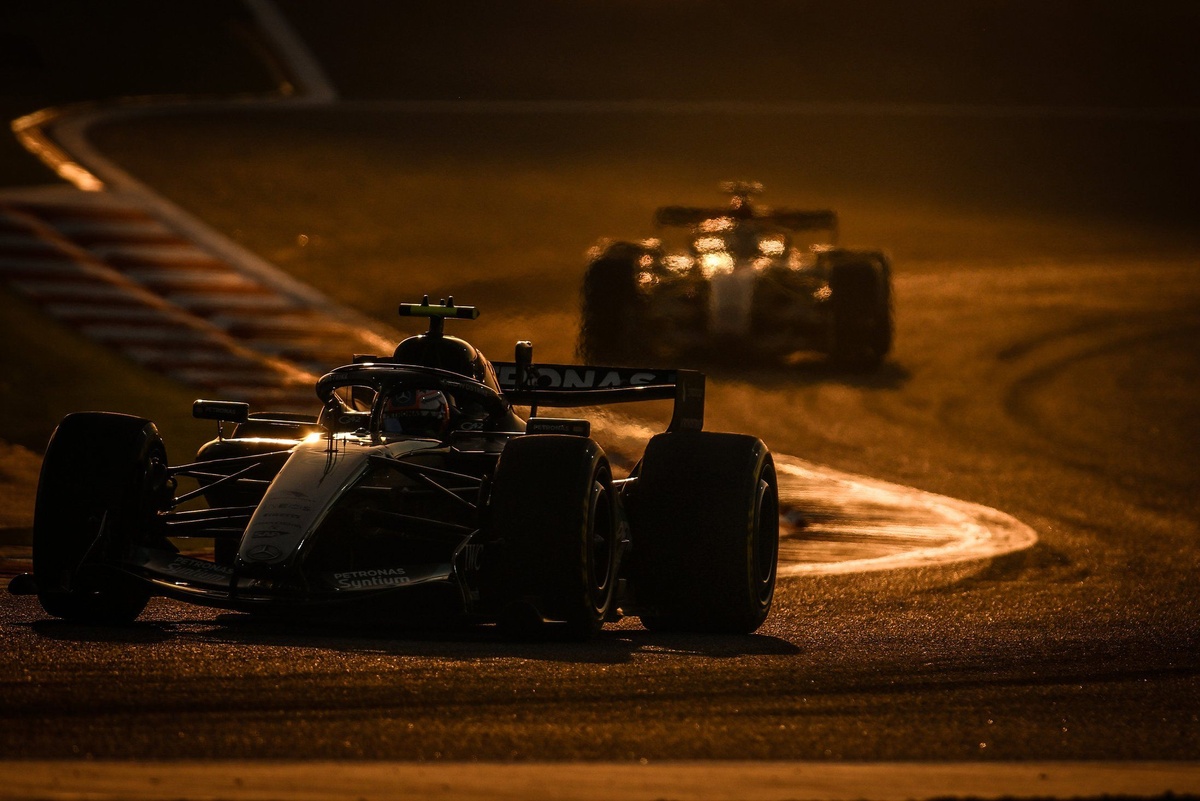

The gloves are off, and the FIA is laying down the law! In a significant move to safeguard the integrity of Formula 1's upcoming 2026 power unit regulations, the sport's governing body has unanimously approved crucial changes to how engine compression ratios are measured. This isn't just a technical tweak; it's a direct response to a simmering controversy that threatened to ignite the grid even before the new era begins.
- The FIA and all five F1 power unit manufacturers have agreed to new, stricter compression ratio measurement protocols.
- The updated rules, effective June 1, 2026, will measure engine compression in both hot and cold operating conditions.
- This decisive action aims to close a potential technical loophole that could have granted an unfair performance advantage.
- Audi, Honda, and Ferrari were vocal in their concerns, pushing for clarity amidst rumors involving Mercedes.
Closing the F1 Engine Loophole: A Victory for Fair Play
The core of the dispute revolved around the V6 combustion engines for 2026, which feature a mandated 16:1 compression ratio. This limit was partly intended to make engine development more accessible, especially for newcomers like Audi. However, a clever interpretation emerged. Some manufacturers found a way to comply with the 16:1 ratio when measured cold and statically by the FIA, but then strategically expand it under hot, dynamic operating conditions to gain a significant power boost.
This engineering wizardry, while technically within the letter of the initial rules, clearly defied their spirit. Leading the charge against this perceived unfairness were Audi, Honda, and Ferrari, who lobbied the FIA to act swiftly. While Mercedes had received assurances their designs were legal, whispers of their potential advantage fueled the urgency for a resolution.
The New Rulebook: What Changes for 2026 and Beyond
After intense discussions, the FIA brokered a compromise, which all five power unit manufacturers—including Red Bull-Ford—have now rubber-stamped. From June 1, 2026, the FIA will measure engine compression ratios in both hot and cold conditions. Then, from the 2027 season onwards, the measurement will be exclusively taken under operating conditions at 130°C.
The revised article C5.4.3 of the 2026 technical regulations now explicitly states: "No cylinder... may have a geometric compression ratio higher than 16.0... Any component, assembly, mechanism, or integrated arrangement of components that is designed or functions to increase the compression ratio in operating conditions beyond 16.0 is prohibited." This unequivocal language leaves no room for ambiguity, ensuring a level playing field.
Manufacturer Unity: A Rare Accord
This unanimous vote is a testament to the manufacturers' collective desire for clarity and fairness, particularly as they pour resources into their 2026 power unit designs. Red Bull team principal Laurent Mekies, whose squad is developing its first-ever in-house power unit for 2026, articulated this sentiment perfectly. "We’re asking for clarity," Mekies stated. "Tell us what we’re allowed to do... it’s essential to have a clear understanding of what is permitted."
This unified front prevents a costly "arms race" to exploit a loophole, allowing teams to focus on innovation within well-defined boundaries.
Beyond Compression: F1's Energy Management Challenge Looms Large
While the compression ratio saga has found its resolution, the FIA's work isn't done. The governing body continues to evaluate data from pre-season testing and the initial rounds of the 2026 season, with particular attention to concerns over the "draconian energy harvesting tactics" drivers might need to employ. The 2026 power units will rely significantly more on electric power, and ensuring optimal energy management without overly compromising racing remains a key challenge. The sport is heading into one of its biggest regulatory overhauls in recent memory, and constant vigilance will be key to its success.