


Is Red Bull Racing truly the dominant force in Formula 1, or is Ferrari boss Fred Vasseur right to pump the brakes on the hype train? Despite Max Verstappen's recent victories, Vasseur emphatically states he's "not sure" the Milton Keynes squad holds the undisputed top spot.
Key Takeaways from Vasseur's Stance:
- Red Bull's recent success, including Max Verstappen's two consecutive wins, doesn't automatically crown them F1's best team.
- The 2026 F1 season has seen a significant fluctuation in the pecking order, with different teams dominating at various points.
- Vasseur emphasizes the critical role of the Turn 1 battle in Singapore, suggesting it heavily influenced Verstappen's victory.
- Ferrari's focus remains on internal development rather than chasing rivals' perceived form.
Unpacking Red Bull's Recent Surge
Red Bull has indeed enjoyed a powerful resurgence, fueled by a significant upgrade package introduced in Baku. This investment has clearly paid dividends, propelling Max Verstappen to back-to-back victories from pole position in Malaysia and then clinching both the sprint and grand prix in Singapore. With these results, Red Bull is now just seven points behind McLaren for third place in the constructor standings, with six rounds remaining.
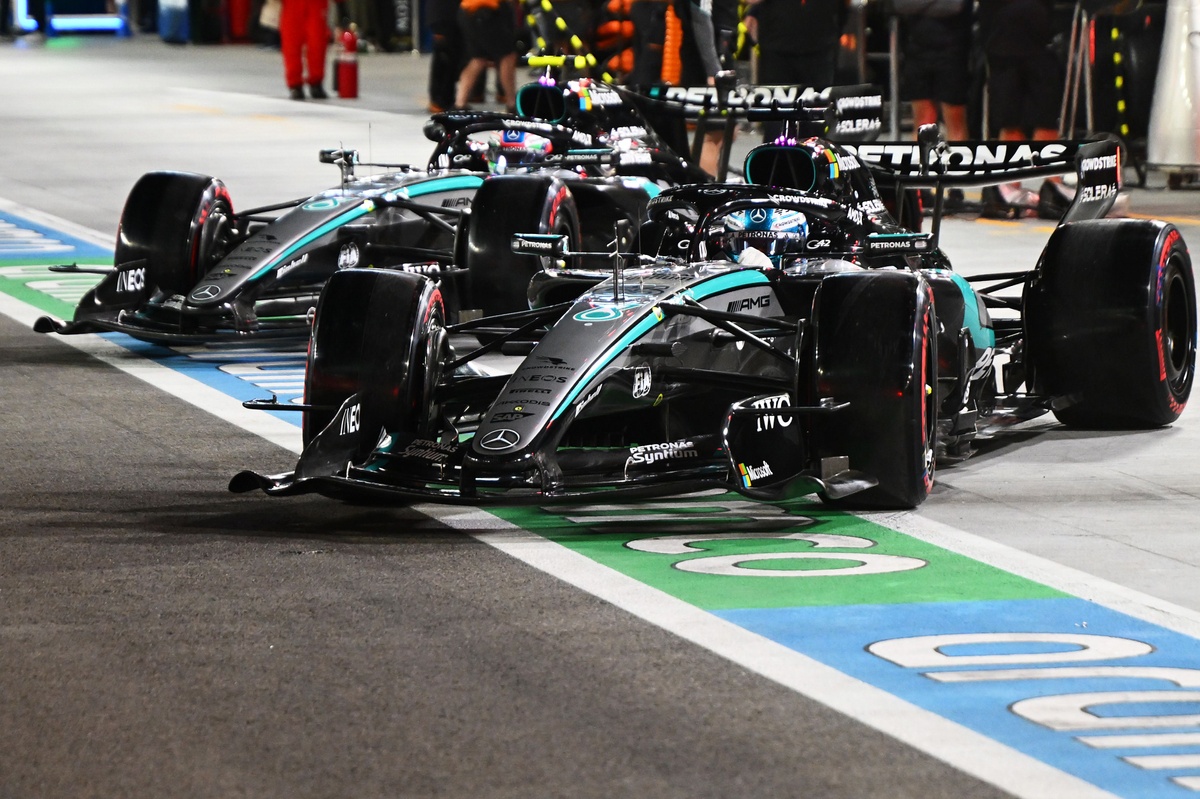
It's a run of form that led Mercedes driver George Russell to declare Red Bull as "the team to beat," underscoring the perceived threat they now pose across varied circuit types.
Vasseur's Contrarian View: A Season of Shifting Power
However, Fred Vasseur offers a compelling counter-argument, urging observers to look at the broader picture of the 2026 F1 season. He points out that the pecking order has been anything but static. "If you look at the McLaren and Mercedes," Vasseur stated, "if you have a look from the beginning of the season, Mercedes was flying, then we won two races, then McLaren won two races, then Red Bull won two or three."
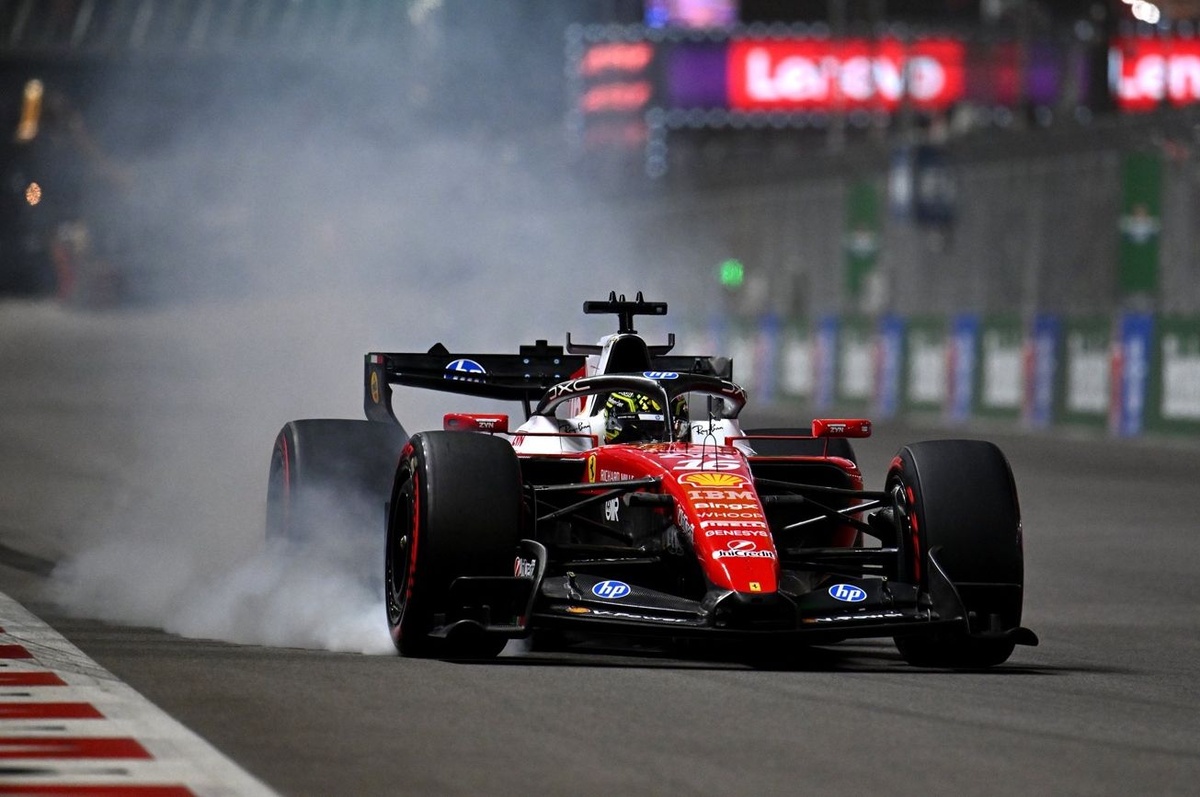
This fluctuating landscape, according to the Ferrari chief, is a direct result of ongoing development and upgrade cycles. The constant evolution means that a team's dominance can be fleeting, with four teams often separated by mere seconds, as seen in Singapore. For Ferrari, the message is clear: focus on their own progress.
The Singapore Factor: More Than Just Raw Pace
Vasseur also delved into the specifics of Verstappen's Singapore triumph, suggesting that raw pace wasn't the sole determinant. He highlighted the pivotal moment at Turn 1, where Verstappen expertly held off Charles Leclerc. Given the notoriously tight confines of the Marina Bay Street Circuit, track position is paramount, and overtaking is incredibly difficult.
He explained that even being a few seconds behind another car creates significant aerodynamic challenges, making it hard to close the gap. "It means that the position in Turn 1 was critical," Vasseur emphasized, downplaying the idea that Red Bull's inherent car performance was overwhelmingly superior in that particular race.
Ferrari's Path Forward: Internal Focus and Development
Ultimately, Vasseur's comments reflect a strategic mindset focused on Ferrari's own journey. While acknowledging Red Bull's strong performance, he refuses to be drawn into crowning rivals. Instead, his attention remains fixed on what Ferrari can control: their development, race strategy, and continuous improvement.
This internal drive is crucial as Ferrari, currently battling fiercely in the constructors' championship, aims to maximize their potential in the remaining races and lay a strong foundation for future success.