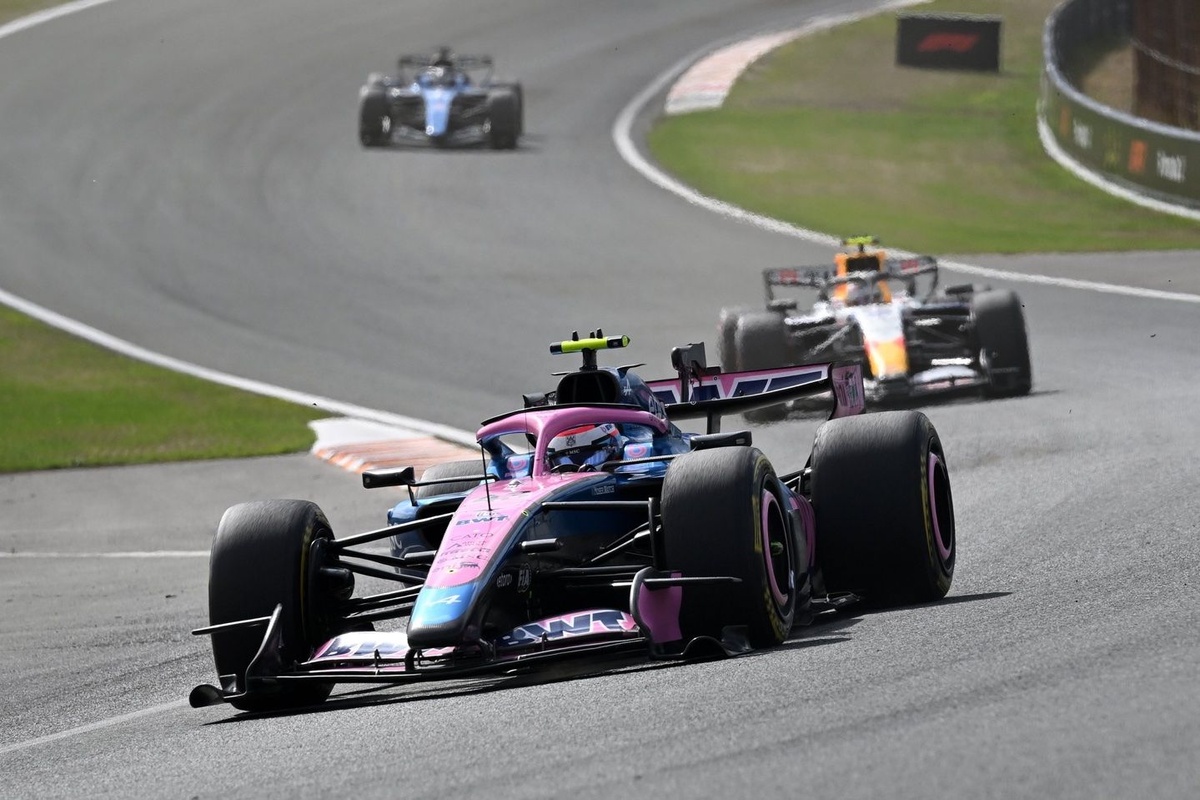
Justice may finally be within reach for Pierre Gasly and Alpine following a chaotic Monaco Grand Prix that saw a podium finish controversially snatched away. The FIA stewards have now granted Alpine's request to review the two five-second pitlane speeding penalties that dramatically dropped Gasly from a superb third place to seventh.
Key Points:
- Pierre Gasly lost his Monaco Grand Prix podium due to two pitlane speeding penalties.
- Alpine's request for a review has been upheld by the FIA stewards.
- Formula One Management (FOM) confessed its speed measuring system was "inaccurate."
- This decision could impact other drivers penalized in the race, including George Russell.
The Controversial Monaco Grand Prix Penalties
The incident at the Monaco Grand Prix ignited a firestorm of debate. Pierre Gasly, after a phenomenal drive, found his P3 finish vaporized by two separate five-second infractions for exceeding the pitlane speed limit. This wasn't an isolated event; six drivers, including George Russell, faced similar penalties, raising immediate red flags among teams and fans alike.
Many drivers reported taking extreme caution, even driving significantly below the 60 km/h limit, yet still triggered the system. This widespread anomaly strongly suggested a systemic flaw, not merely driver error.
Alpine's Relentless Pursuit of Justice
Recognizing the potential injustice, Alpine wasted no time, lodging a formal 'Right of Review' request immediately after the race. Their persistence paid off, as the FIA confirmed the request's admissibility on Thursday, paving the way for a deeper investigation.
A key hurdle for any review is the presentation of "new, significant, and relevant evidence" that was unavailable to the stewards at the time. This is where Formula One Management (FOM) played a pivotal role.
The Crucial FOM Admission
In a critical video conference involving Alpine, the FIA stewards, and representatives from most other teams, a stunning revelation emerged. Formula One Management, responsible for the event's timing system, admitted their pitlane distance measuring system was "inaccurate and overestimated the speed" of Gasly's car. This bombshell evidence, provided by FOM on Wednesday, was precisely the 'new element' required for the review to proceed.
While there was some dispute about whether the FIA and FOM knew of the issue before the race, the fact remains this critical data was not accessible to the race stewards when they made their initial decisions. This oversight fundamentally undermined the basis of the original penalties.
Wider Implications and a Potential Precedent
The implications of this review extend far beyond Pierre Gasly's individual result. Other prominent drivers, including Mercedes star George Russell, also saw their races severely impacted by pitlane speeding penalties, with Russell's own incident leading to a points-less finish.
This situation highlights the absolute necessity of precise and reliable timing systems in Formula 1. The potential rescission of Gasly's penalties would not only be a huge relief for him – he described the demotion as "the hardest sporting moment" of his career – but it could also set a vital precedent for how timing system errors are addressed in the future.
Fans and teams alike will be eagerly awaiting the final verdict, hoping for a resolution that prioritizes fairness and the integrity of the sport over flawed technology.