

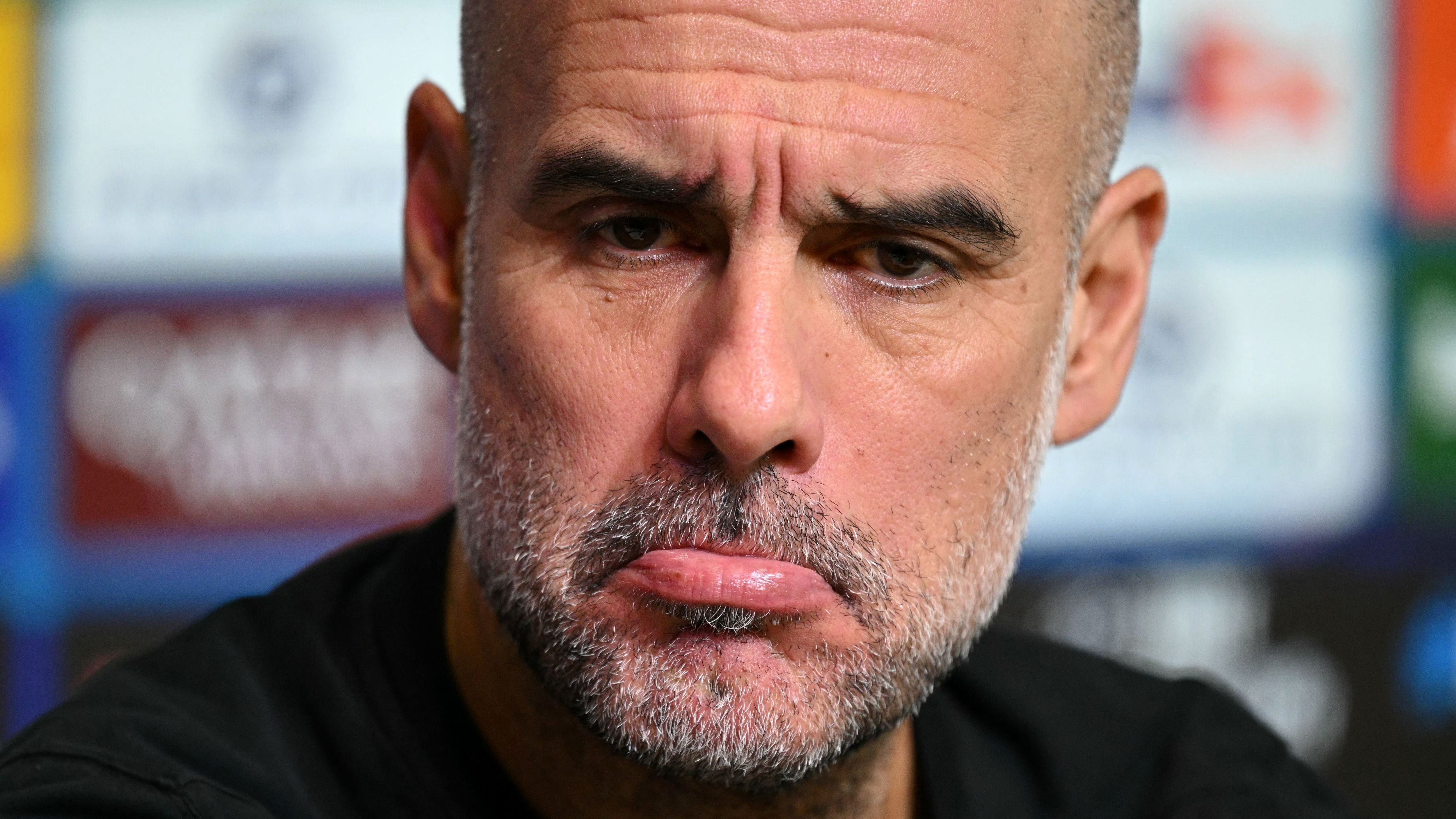

The football world collectively raised an eyebrow as Pep Guardiola, the architect of Manchester City's modern dominance, declared he has never, ever criticized a referee during his decade-long tenure. This bold assertion came after a journalist pressed him on recent comments regarding Premier League official Farai Hallam, igniting a debate that cuts to the heart of managerial conduct.
Key Points:
- Pep Guardiola emphatically denied ever criticizing referees during his 10 years at Manchester City.
- A direct question from a reporter highlighted recent remarks concerning Premier League official Farai Hallam.
- Guardiola's staunch defence clashes with public perception and his own history of touchline intensity.
- The incident reignites the ongoing discussion about manager accountability and respect for match officials.
Guardiola's Fiery Denial: "Never, Ever" Criticized Officials?
It was a moment of pure theatre in the press conference room. Pep Guardiola, usually so measured, became visibly animated when confronted about his post-match comments regarding officials. He insisted, with unwavering conviction, that in his 10 years as Manchester City boss, he has maintained an impeccable record of respecting referees.
This strong denial was a direct response to a pointed question about his recent interactions concerning Premier League referee Farai Hallam. For a manager known for his passionate touchline antics and occasional post-match critiques, the claim of perpetual neutrality struck many as a significant stretch.
The Reporter's Challenge: A Direct Question
The journalist's interrogation was clear and unyielding. They didn't beat around the bush, directly citing Guardiola's recent remarks about Farai Hallam and asking him to reconcile those comments with a supposed policy of non-criticism. This direct challenge forced Guardiola to double down on his position, turning the media briefing into a heated exchange.
It put the Manchester City manager squarely on the defensive, demanding he justify a stance that many in the football community might find hard to believe. The tension was palpable, underscoring the high stakes involved in how managers interact with match officials.
A Decade of Touchline Tensions: Fact or Fiction?
While Guardiola's self-assessment is absolute, the collective memory of football fans and pundits tells a different story. Over his 10 years managing Manchester City, there have been numerous instances where the Catalan coach has expressed strong opinions, both subtly and overtly, about refereeing decisions.
These moments, often fuelled by the heat of crucial Premier League or Champions League matches, have become part of his coaching legend. To suggest they never amounted to criticism, even in the broadest sense, presents a stark contrast to public perception.
The "Heat of the Moment" Defense
Coaches operate under immense pressure, and emotions run high in elite football. It's a common defence that comments made immediately after a match are born out of frustration and passion, rather than a calculated attack on officials. However, Guardiola's denial went beyond this, implying a consistent, decade-long silence on officiating concerns.
The challenge for any manager is to balance their intense desire to win with the need to uphold the integrity of the game. Navigating this line, especially when decisions go against your team, is one of the toughest aspects of the job.
Why This Matters: Setting the Standard
This incident is more than just a typical press conference spat; it highlights the critical role top managers play in setting the tone for player and fan behaviour. When a figure as influential as Pep Guardiola makes such definitive statements, it invites scrutiny and impacts the broader narrative around respect for officials in the Premier League.
The Premier League and football associations worldwide are constantly working to protect referees from abuse and ensure a healthy environment for the game. Managerial comments, whether perceived as critical or not, contribute significantly to that culture. Ultimately, accountability, even from the most successful coaches, remains paramount.



.png)