
Against All Odds: Haas F1's Legendary 2016 Launch
The Haas F1 Team didn't just join Formula 1 in 2016; they roared in with a statement. Against a backdrop of skepticism and the ghosts of failed F1 startups, this American challenger, fueled by ambition and a groundbreaking Ferrari partnership, delivered an opening season that stunned the motorsport world. It was a testament to grit, strategic brilliance, and the sheer will of its people.
Key Takeaways from Haas's F1 Launch:
- The 2016 Haas VF-16 build was a "hellish" scramble, pushing the lean team to its absolute limits before a single wheel turned.
- Guenther Steiner's visionary business model, deeply integrating with Ferrari for components, was a risky but ultimately game-changing move.
- Romain Grosjean's incredible P6 finish in Melbourne, despite zero pre-race pit stop practice, was dubbed "a win" and saved the team's morale and future.
- A follow-up fifth place in Bahrain cemented Haas F1's legitimacy, proving their initial success was no fluke.
Building a Dream on the Brink: The Genesis of Haas F1
Ayao Komatsu, a foundational hire, vividly recalls the agonizing 2016 car build. "It just completely destroyed all of us," he revealed, painting a picture of exhausted mechanics before even a test lap. This intense pressure was the norm, not the exception, for the nascent American squad.
Formula 1 had seen its share of short-lived ventures like Caterham, HRT, and Manor. Haas aimed to break that cycle by adopting a radically different approach, seeking external expertise rather than attempting to build everything in-house from scratch. This bold strategy was their foundation.
A Bold Strategy: Leveraging Ferrari's Prowess
Team Principal Guenther Steiner engineered a controversial but clever model. Haas would maximize the use of Ferrari-supplied components allowed by regulations, outsourcing chassis construction to Italian specialist Dallara. This focused Haas's internal efforts on racing operations and car design integration.
This symbiotic relationship required seamless logistics and immense trust, especially from Ferrari. Steiner credits former Ferrari Team Principal Stefano Domenicali for believing in the unconventional vision, avoiding the fate of other failed F1 hopefuls. The unique blend of an American identity with Italian engineering was a gamble.
The Unsung Heroes: Steiner's Visionary Team
Haas's operational setup was intentionally lean, staffed not by seasoned F1 superstars, but by individuals hungry for a challenge. Steiner sought "people who couldn't show what they wanted to show, but didn't have the chance in a big team," aiming for a collective "mission" rather than just a job.
Despite the clear vision, the inaugural VF-16 gestation was fraught with challenges. The unprecedented nature of the Ferrari partnership meant neither side had a blueprint for such extensive component sharing, leading to immense last-minute efforts.
Race Day Redemption: Grosjean's Unforgettable Early Season
Just days before the VF-16's fire-up, Komatsu was convinced it wouldn't happen. Essential parts, like the brake ducts, weren't even ready until the Barcelona testing. The team became "the biggest contributors to that motorway toll," ferrying parts between Dallara and Maranello in a frantic race against time.
The team arrived in Melbourne physically and mentally drained. Romain Grosjean recalled joining a skeletal team, highlighting the monumental task of building an F1 outfit from virtually nothing. Pit stop practice, a fundamental, was completely skipped pre-race.
The Melbourne Miracle: Points on Debut
What happened in Australia was pure drama and exceeded all expectations. Grosjean's P6 finish was a fairytale, aided by a timely red flag after teammate Esteban Gutierrez's crash with Fernando Alonso. This allowed for a tire change under suspension, cleverly eliminating the need for a live pit stop.
Grosjean's iconic radio call, "this is a win for us," perfectly encapsulated the feeling. Steiner simply wanted to avoid embarrassment. The P6 result wasn't just points; Komatsu confirms it saved the team from potential resignations after an utterly exhausting build-up.
Bahrain Brilliance: Proving It Wasn't a Fluke
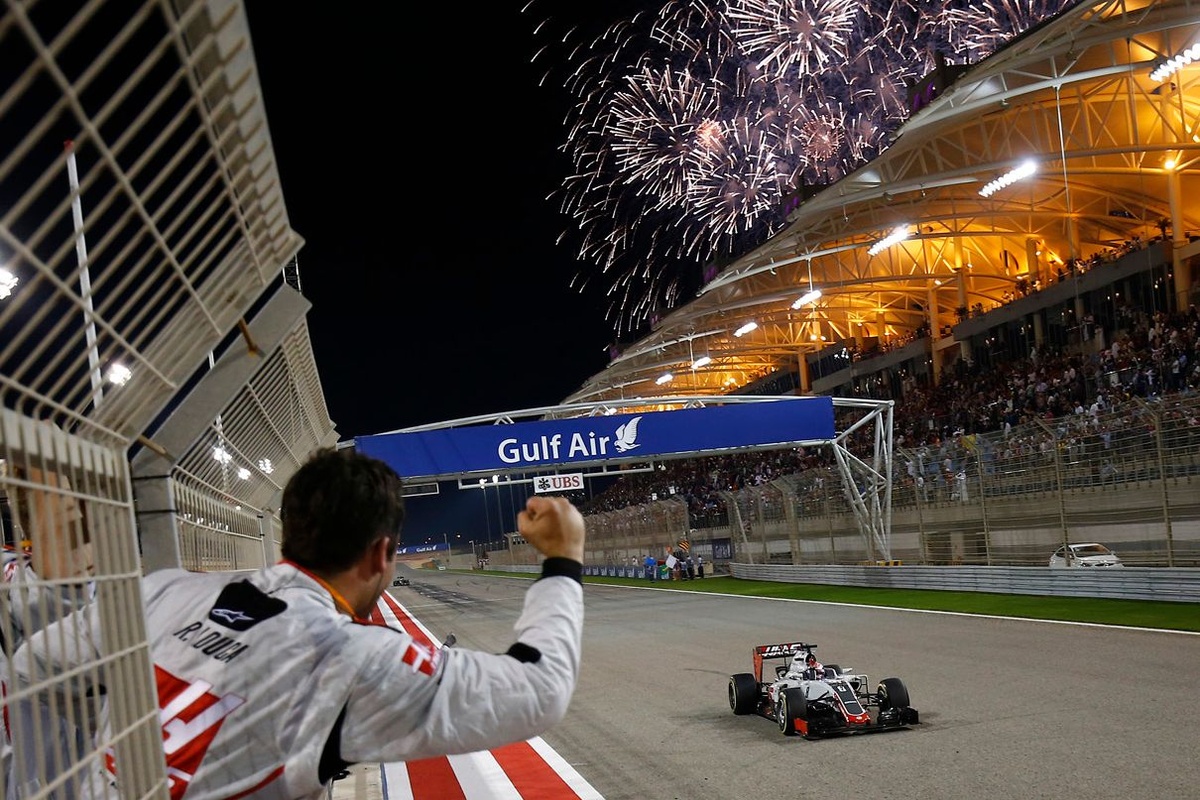
Just two weeks later, Haas proved Melbourne was no fluke. Grosjean secured a fifth place in Bahrain, this time on merit. An aggressive three-stop strategy and blistering pace allowed him to carve through the field, overtaking rivals like Daniil Kvyat's Red Bull and Felipe Massa's Williams.
Despite a minor pit stop hitch due to the inexperienced crew, Grosjean's fresher tires propelled him back up, showcasing the true performance of the VF-16. Steiner's smiling face on the pit wall captured the sheer joy of seeing their unconventional gamble pay off handsomely.
The Enduring Legacy of Haas's Early Triumph
Grosjean famously checked his own cheek: "Wait, yeah, it's real!" This "American dream" was a massive reward for the exhausted team. Yet, the relentless F1 schedule meant little time for celebration, as the focus immediately shifted to survival mode for subsequent races.
Steiner reflects on not savoring the moments enough, constantly battling the paranoia of being unprepared. But these crucial early points validated his bold business model and the immense dedication of everyone involved, proving the skeptics wrong and laying a foundation for Haas F1's place in the sport.