
.png)

The Prolific Leader: Decoding Harry Kane's Captaincy
Harry Kane has broken records and exceeded expectations throughout his career, and his time as England captain is no exception. He perfectly embodies a “lead by example” style, allowing his exceptional goal-scoring ability to do the talking rather than relying on constant vocal direction on the pitch.
This individualistic leadership approach has seen him score an astonishing 61 goals for Bayern Munich in a career-best club season, alongside a remarkable 81 goals for England. He is also rapidly closing in on Peter Shilton’s all-time England appearance record of 125 caps, further cementing his status as a modern-day legend.
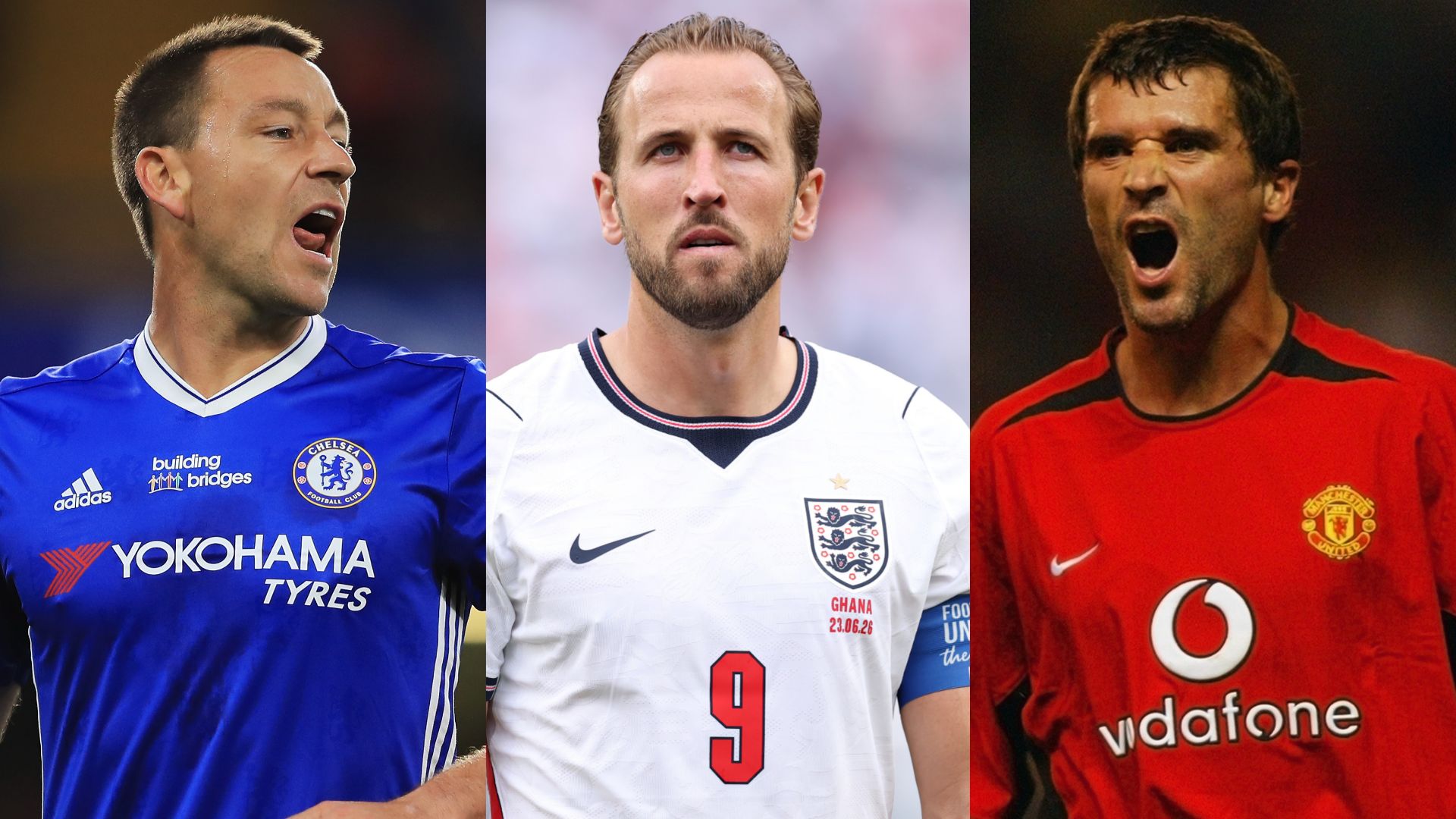
However, former England defender Gary Pallister believes traditional captaincy often demands a different profile. While acknowledging Kane’s outstanding leadership, Pallister argues that players such as John Terry, Bryan Robson, and Roy Keane—central figures who see the entire pitch—are often preferred for their vocal presence and organizational control.
Why a Central Anchor Matters
“I don't see Harry Kane as being the type of captain that John Terry, Bryan Robson, or Roy Keane was,” Pallister explained. He added that while leading by example is valuable, ideal captains are often midfielders or centre-backs who can influence both ends of the pitch and communicate constantly with every teammate.
This view highlights a subtle but ongoing debate: the balance between individual brilliance and collective orchestration in leadership. Kane excels in delivering the former, while questions about the latter continue to shape discussions around England’s setup.
The 'Bizarre' Omission: Maguire's World Cup Snub Under Fire
While Kane continues to shine in attack, defensive concerns remain a major talking point for England. The exclusion of Manchester United centre-back Harry Maguire from the 2026 World Cup squad has drawn significant attention, especially given his strong club form last season.
Pallister expressed clear disbelief at the decision, saying he could not understand why Harry was left out. He praised Maguire’s resurgence, his experience in major tournaments, and his reliability for the national team, suggesting he would have partnered him with Marc Guehi at the heart of defence.
Experience Over Experimentation?
The former Manchester United defender also questioned England’s broader selection approach, pointing to the risks of relying on players who may be out of form or carrying injuries heading into major tournaments. In contrast, Maguire’s proven tournament pedigree made his omission even more surprising for many observers.
This decision has intensified scrutiny over England’s defensive depth and leadership structure, particularly as they navigate a mixed start to their World Cup campaign.
England's World Cup Rollercoaster: Crunch Time Against Panama
England’s 2026 World Cup journey has been full of highs and setbacks. They opened with an impressive 4-2 win over Croatia, where captain Kane delivered a crucial brace, once again underlining his importance in decisive moments.
However, momentum stalled in a frustrating 0-0 draw with Ghana, where England struggled to break down a disciplined defensive setup. As a result, the upcoming clash against Panama on Saturday becomes a crucial fixture in their group-stage campaign.
A strong performance is now essential for England to secure top spot in Group L and build momentum heading into the knockout rounds. With the long-standing ambition of ending decades of major tournament disappointment, defensive stability and sharper execution will be key moving forward.


.png)