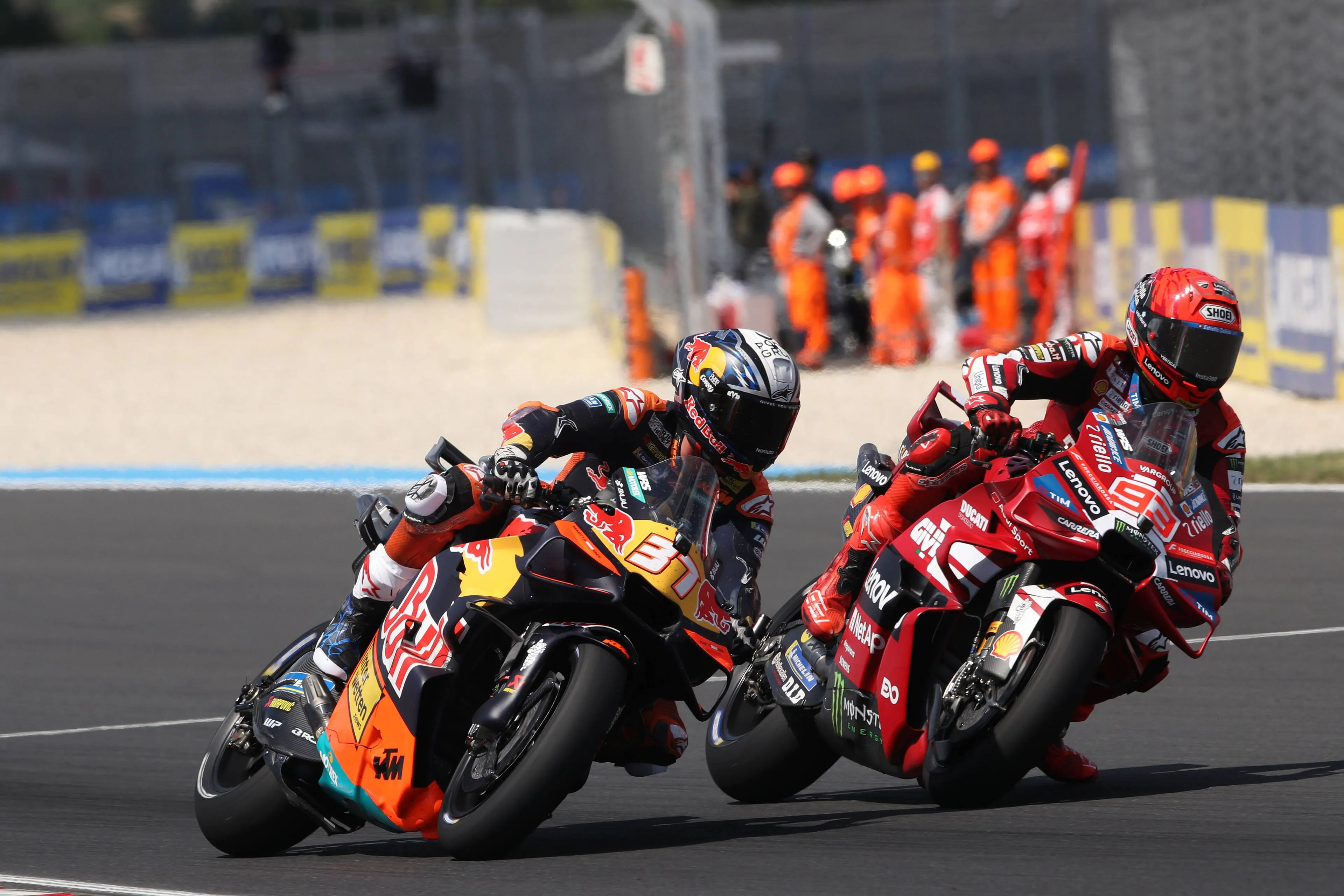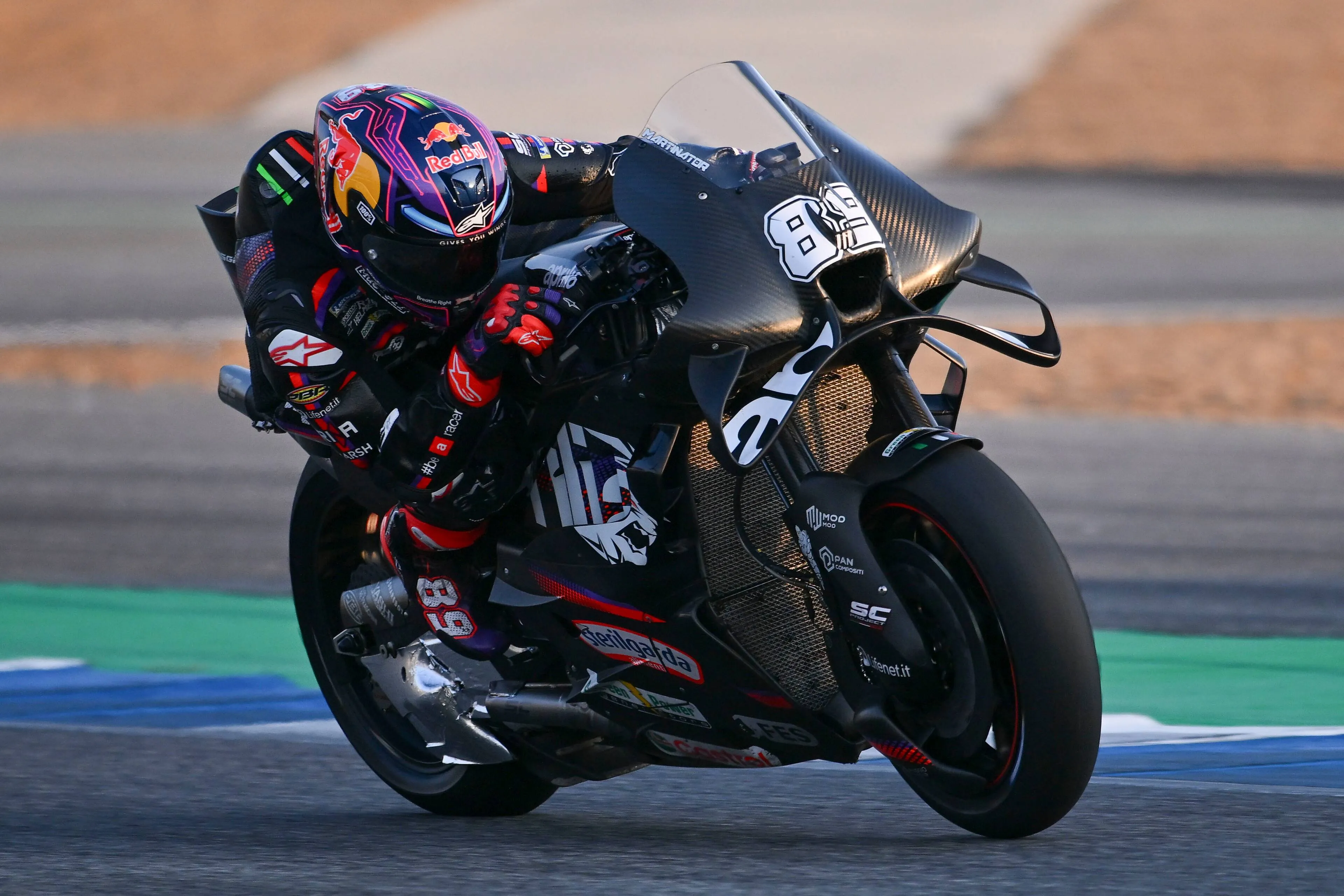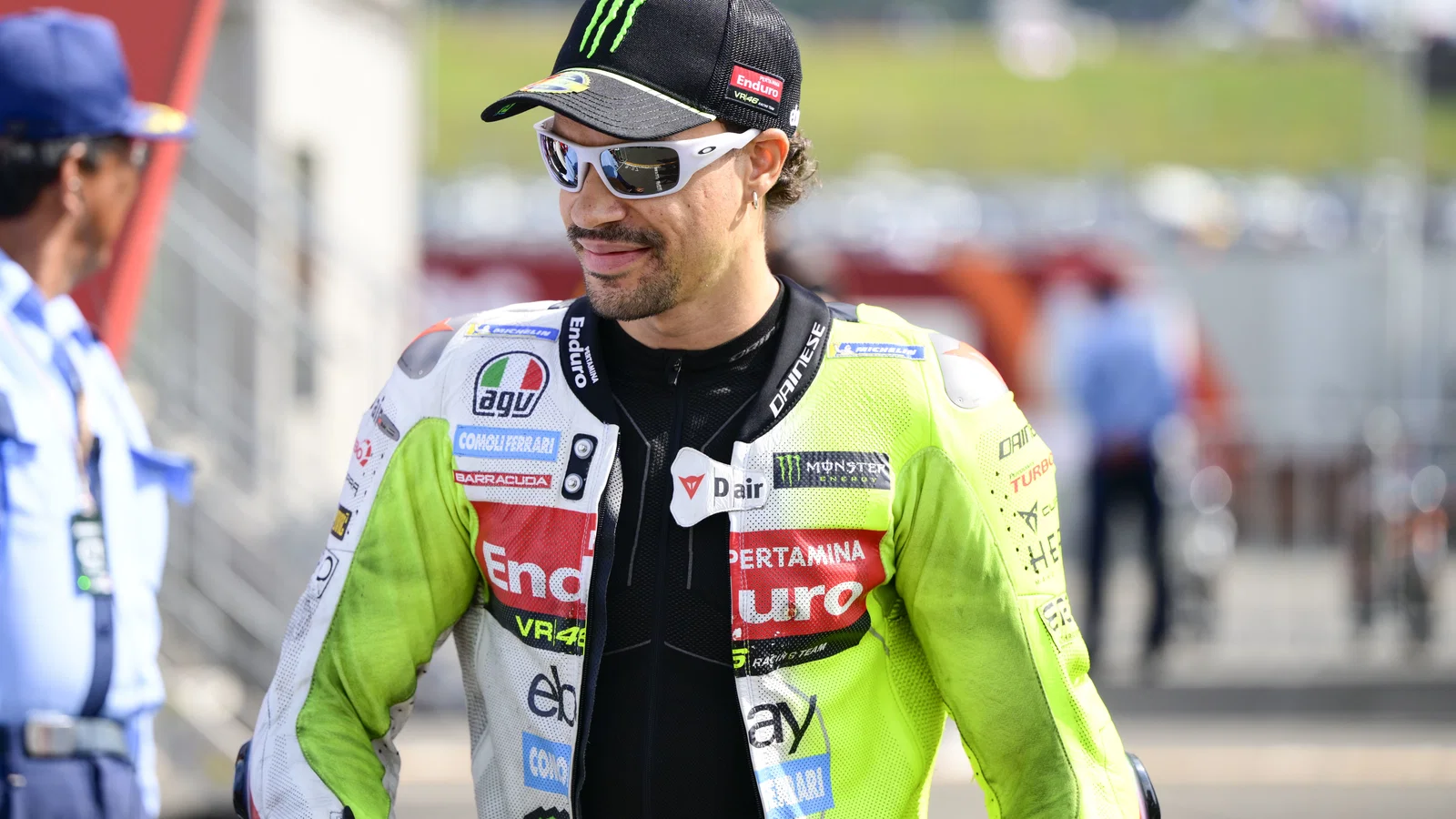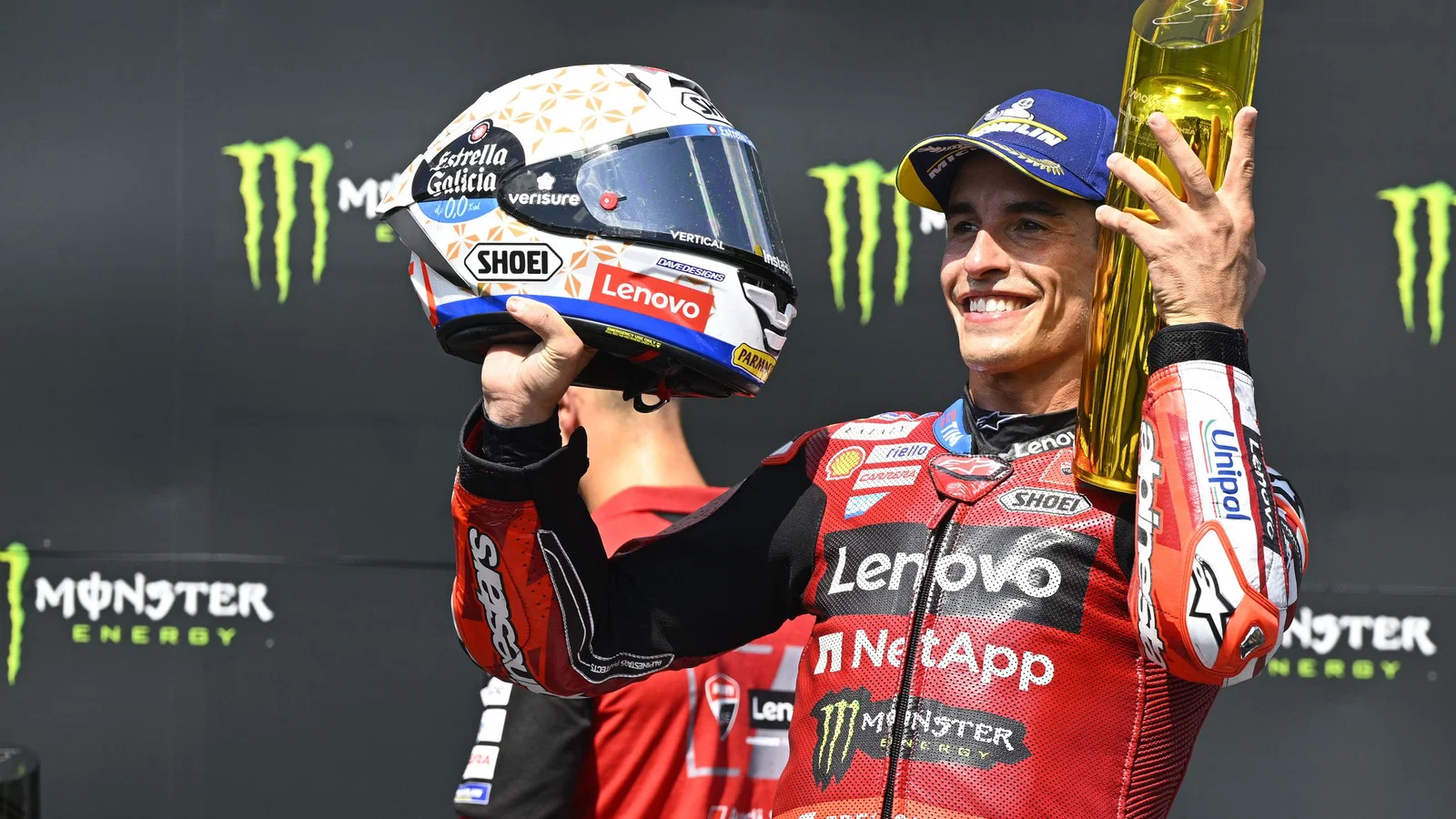
The gloves are off in MotoGP! Jack Miller, never one to shy from a strong opinion, has sensationally blamed the controversial ride-height devices for the horrific Catalan Grand Prix crash that has sidelined Johann Zarco for months. This isn't just about an accident; it's about the very soul of rider safety and the relentless pursuit of speed in motorcycle racing.
Key Points: Miller's Ride-Height Device Bombshell
- Jack Miller explicitly links Johann Zarco's injury to advanced ride-height technology.
- Zarco faces months on the sidelines after undergoing knee surgery following the Barcelona incident.
- Other top riders like Bagnaia, Bezzecchi, and Di Giannantonio offered more cautious, diplomatic views.
- The highly debated ride-height devices are slated for a ban after the current MotoGP season, adding fuel to the fire.
Miller Unleashes on MotoGP's Controversial Tech
Speaking ahead of the Italian Grand Prix at Mugello, the Pramac Yamaha rider was in no mood for subtlety. With rider safety and the Catalan Grand Prix chaos still a raw topic, Miller pointed a direct finger at the engineering marvels designed to lower the bike's rear for improved acceleration, now a standard feature across the grid.
His outspoken remarks stand in stark contrast to the more guarded comments from his peers, highlighting a potential divide in the paddock regarding the candor of discussing safety concerns.
The "Why" Behind the First-Corner Chaos
For Miller, the issue is clear: universal adoption of ride-height devices has eradicated any competitive edge, creating a perilous scenario where everyone arrives at Turn 1 simultaneously. He asserts this forces riders to engage "abnormal amounts of brake" just to stabilize their machines.
"The incident with Johann... you see the gap to the rider in front sort of close and then stabilise and then close again," Miller explained. "And that's the inconsistency on the brakes with not having the same reaction. And that is simply a ride-height device issue."
He further emphasized that while Barcelona's Turn 1 has a history of incidents, the devices intensify the danger due to the incredible speeds attained.
Paddock Divided: The Silence of the Savvy
While Miller delivered his bombshell in a media scrum, top riders like Francesco Bagnaia, Marco Bezzecchi, and Fabio Di Giannantonio maintained a more circumspect tone in the official press conference. They were asked about the broader impact of ride-height devices on first-corner incidents, not specifically Zarco's crash.
Their responses largely downplayed the role of the technology, suggesting that such devices merely equalize the playing field rather than inherently increasing danger.
Is it Tech or Tenacity?
Bezzecchi argued that the inherent speed of a MotoGP bike makes Turn 1 braking difficult, regardless of the device. Di Giannantonio echoed this, noting that "everybody is the same" with the technology and that even superbikes, without such devices, experience first-corner pile-ups.
Di Giannantonio attributed the incidents to competitive instinct and the challenge of finding braking points from a standing start – a maneuver rarely practiced during a race weekend.
Bagnaia, while acknowledging the specific difficulties of disengaging the device at circuits like Le Mans or Silverstone, maintained that "devices are not more unsafe... it's not because of the devices that the level of injuries have increased."
The Future of Speed and Safety
Miller's candidness, contrasting with the more measured tones of his competitors, hints at a deeper conversation within the paddock about speaking out. His wry observation – "The squeaky wheel gets the grease, but sometimes the squeaky wheel gets replaced" – suggests a calculated risk in voicing strong opinions.
With ride-height devices set to be banned after this season, the debate surrounding their impact on MotoGP safety, especially in high-stakes Turn 1 scenarios, will undoubtedly continue to resonate. The question remains: how much high-tech innovation is too much when rider well-being is on the line?