


The much-hyped Japan Open delivered a brutal reality check for Malaysian men's doubles, as all three national pairs crashed out in a stunning first-round sweep on Wednesday. This comprehensive defeat throws an immediate spotlight on the BA of Malaysia's ambitious "Olympic shake-up" strategy, especially with the debut of a much-anticipated new partnership.
Key Takeaways from Tokyo:
- All three Malaysian men's doubles pairs were eliminated in the Japan Open first round.
- The experimental duo, Man Wei Chong–Soh Wooi Yik, showed fighting spirit but lost their debut match.
- The decision to split established partnerships is a calculated risk for the 2028 Los Angeles Olympics.
- Pressure mounts on head coach Herry Iman Pierngadi as new combinations seek chemistry and form.
Olympic Gamble: New Pairings Face Early Test
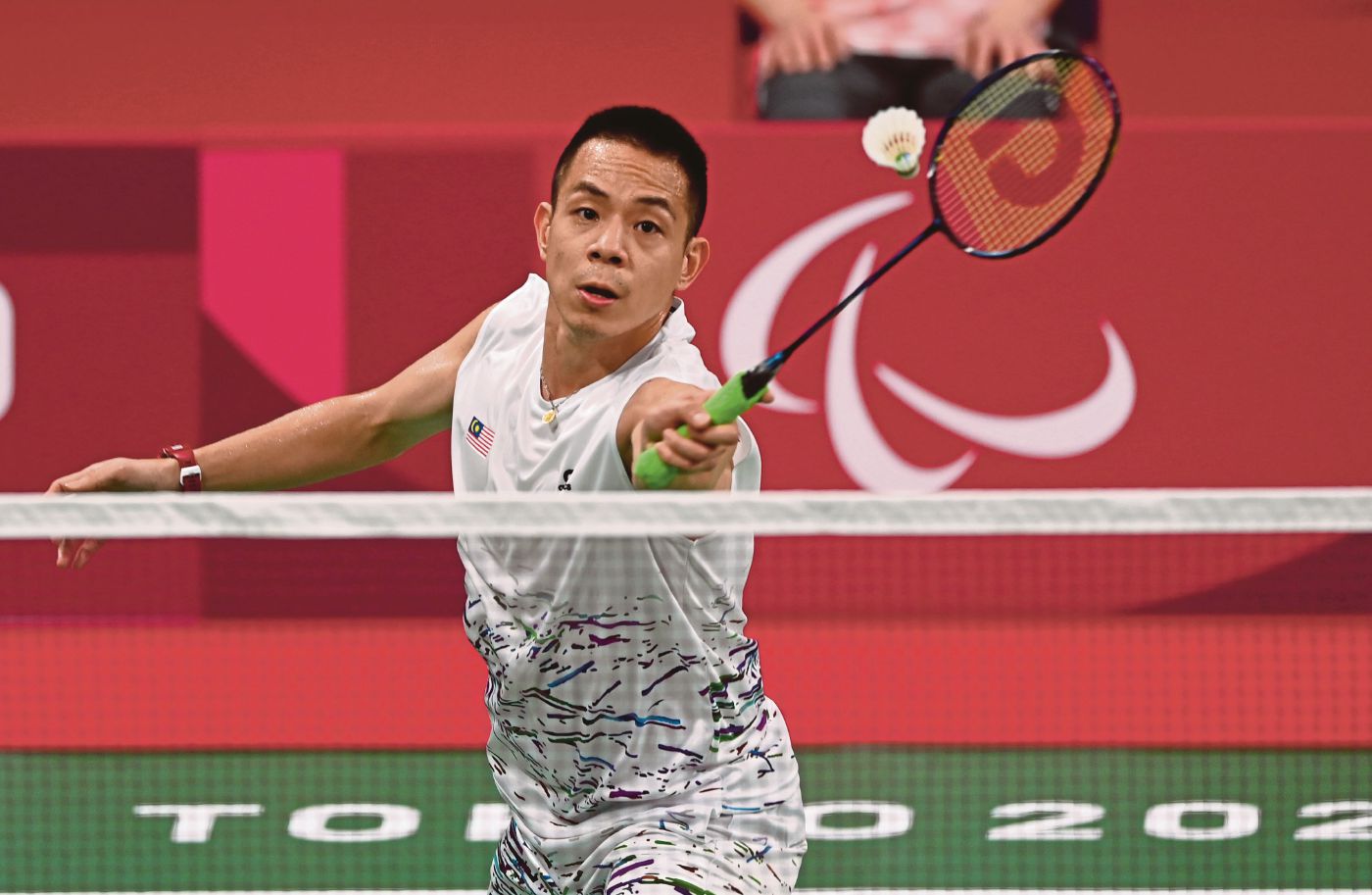
The greatest interest lay with the untested combination of Man Wei Chong and Soh Wooi Yik. Their partnership, part of a bold move by men's doubles head coach Herry Iman Pierngadi to find optimal pairings for the 2028 Los Angeles Olympics, faced an immediate baptism of fire. They battled valiantly against Taiwan's world No. 18 Lee Fang Chih–Lee Fang Jen.
Despite taking the opening game, the scratch pair ultimately fell 21-23, 21-17, 21-16 in a grueling 62-minute encounter. While a loss is never ideal, the initial signs were encouraging. Both players showcased adaptability as they navigated unfamiliar court roles and movements, a crucial aspect for any new pairing.
The Rationale Behind the Shake-Up
This strategic overhaul saw Wei Chong previously partnered with Tee Kai Wun, while Wooi Yik was part of Malaysia's leading duo alongside Aaron Chia. The BA of Malaysia is committed to assessing player chemistry and performance across several tournaments. This also includes Aaron Chia forming a new partnership with former world junior champion Aaron Tai.
These moves, though potentially disruptive in the short term, are geared towards a long-term vision. The aim is to forge the strongest possible combinations capable of contending for medals at the next Olympic cycle.
Widespread Disappointment Across the Board
Beyond the experimental duo, Malaysia's other men's doubles pairs also failed to progress. World No. 25 Nur Azriyn Ayub–Tan Wee Kiong faced a tough challenge against former world champions Takuro Hoki–Yugo Kobayashi of Japan. They were eventually ousted in straight sets, 21-17, 21-14, highlighting the strength of the local competition.
The Korean-Malaysian combination of Choi Sol Gyu–Goh V Shem had perhaps the toughest draw, clashing with China's formidable top pair, Liang Wei Keng–Wang Chang. The result was a dominant victory for the Chinese duo, with Sol Gyu–V Shem bowing out 21-11, 21-11. This completed a truly disappointing first round for Malaysian men's doubles.
Looking Ahead: The Road to the China Open
While the Japan Open served up a harsh lesson, it's crucial to remember that this is just the beginning of a long journey. The new pairings, especially Wei Chong–Wooi Yik, will need time to gel and refine their strategies. Their next opportunity for development and to prove their potential will be at the upcoming China Open. The badminton world will be watching closely to see how Malaysia’s daring Olympic experiment evolves.