
Pickleball isn't just a sport; it's a global phenomenon, and Japan is officially caught in its powerful current. What began as a curiosity is rapidly transforming into a national obsession, pushing for a future on the world stage, even as it grapples with the growing pains of success.
Key Takeaways for Japanese Pickleball:
- Explosive Growth: Japan now boasts an estimated 330,000 pickleball players, indicating massive untapped potential.
- Unified Vision: The newly formed Pickleball Japan Federation is driving strategic growth and aiming for Olympic inclusion by Brisbane 2032.
- High-Profile Endorsement: Major tournaments, like the recent PPA Tour Asia, are attracting diverse talent and notable figures such as Princess Hisako.
- Court Crunch: The sport's rapid ascent has created an urgent demand for more dedicated playing facilities across the nation.
Japan's Pickleball Explosion: A Rapid Ascent
The appeal of pickleball is undeniable. Combining elements of tennis, badminton, and table tennis, its simple rules make it incredibly accessible, yet its tactical depth keeps players engaged. While the United States boasts over 24 million players, Japan's impressive surge to 330,000 enthusiasts showcases a nation quickly embracing the paddle sport.
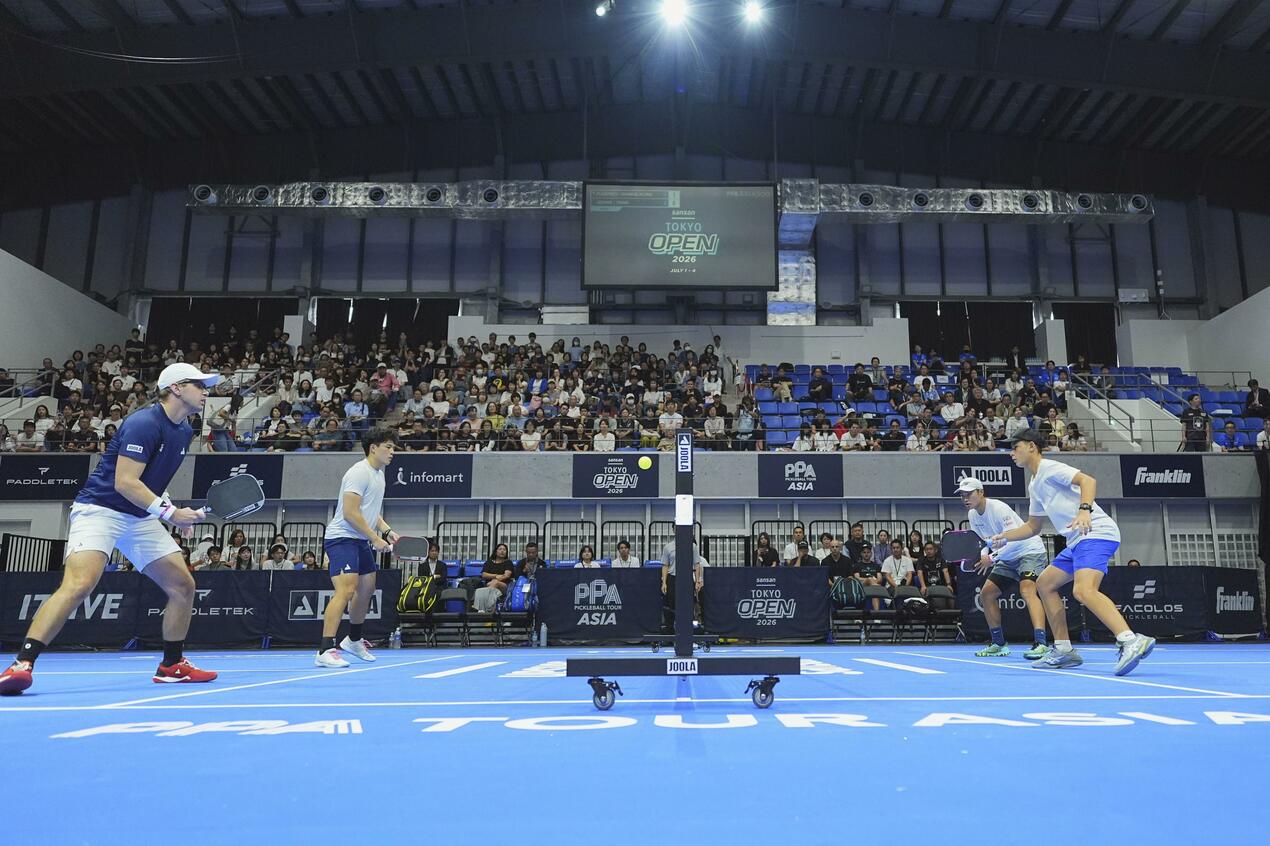
The recent Professional Pickleball Association (PPA) Tour Asia in Tachikawa, Tokyo, exemplified this momentum. Drawing a formidable roster of 100 professionals and over 300 amateurs from across Asia and the United States, the event showcased top-tier talent.
The finals even saw Princess Hisako, widow of Prince Takamado, in attendance, a clear sign of the sport's escalating profile within Japan. As Men’s Doubles champion Yuta Funemizu passionately stated, “I think we can create a wave in Japan if we’re able to show how fun the game is.”
The Federation's Strategic Play
Recognizing the sport's trajectory, April marked a pivotal moment for Japanese pickleball with the merger of two national associations, creating the powerful Pickleball Japan Federation. This strategic consolidation is more than just an administrative change; it's a concerted effort to standardize governance and align with international ambitions. The ultimate goal? To propel pickleball onto the Olympic stage, with eyes firmly set on Brisbane 2032.
The federation’s rapid acceptance into the Japan Sport Association by June further underscores its legitimacy and influence. Rika Riordan, chairperson of the federation, highlighted the merger’s profound impact: “The merger unified the rules, philosophy, and tournament format, which will create ties with municipalities and schools.”
The Court Conundrum: A Hurdle in Growth
Despite the overwhelming enthusiasm and strategic organizational strides, one significant challenge looms large for Japanese pickleball: the critical shortage of playing courts. The sport's virality means demand is currently outpacing supply, leaving many eager players struggling to find suitable spaces to play. This infrastructure gap could potentially slow down the very momentum the federation is working so hard to build.
Riordan herself acknowledges this pressing issue, emphasizing the urgency: “Pickleball spreads quickly, so we must catch up to provide more spaces for those who are curious about the game.” Expanding access to facilities is paramount for capitalizing on the current wave of interest and integrating pickleball deeper into Japan’s sporting landscape.
What's Next for Japanese Pickleball?
The indicators are clear: player numbers, event attendance, and strategic organizational moves all paint a picture of a sport poised for greatness in Japan. While the United States still holds a lead in sheer scale, the incredible energy and foundational efforts currently underway suggest it's only a matter of time before Japan emerges as a formidable force in the global pickleball arena. The challenge now lies in providing the physical space for this passion to flourish.