

Game 2 is a defining moment for the Philadelphia 76ers. Their season could hinge on their ability to execute defensive adjustments, maximize Embiid's presence, and unleash Maxey's speed against a red-hot Knicks squad. The stage is set for an intense showdown at Madison Square Garden.
Game 1 was a seismic shock for the Philadelphia 76ers, who watched the New York Knicks deliver a humbling, 39-point blow in the Eastern Conference Semifinals opener. With the Knicks riding a dominant four-game playoff streak, averaging a 33.8-point winning margin, the pressure is squarely on the Sixers to find answers and prevent a potentially crippling 2-0 deficit in this crucial NBA Playoffs matchup. Tonight's Game 2 isn't just a game; it's a test of Philadelphia's strategic adaptability and mental fortitude.
Key Game 2 Battlegrounds
- The New York Knicks are scorching hot, aiming to take a commanding series lead after their Game 1 rout.
- The 76ers must overhaul their defensive scheme, particularly against Jalen Brunson's lethal pick-and-roll.
- Unlocking Joel Embiid in the post and igniting Tyrese Maxey are paramount for Philly's offensive resurgence.
Philly's Do-or-Die Defensive Dilemma: Containing Jalen Brunson
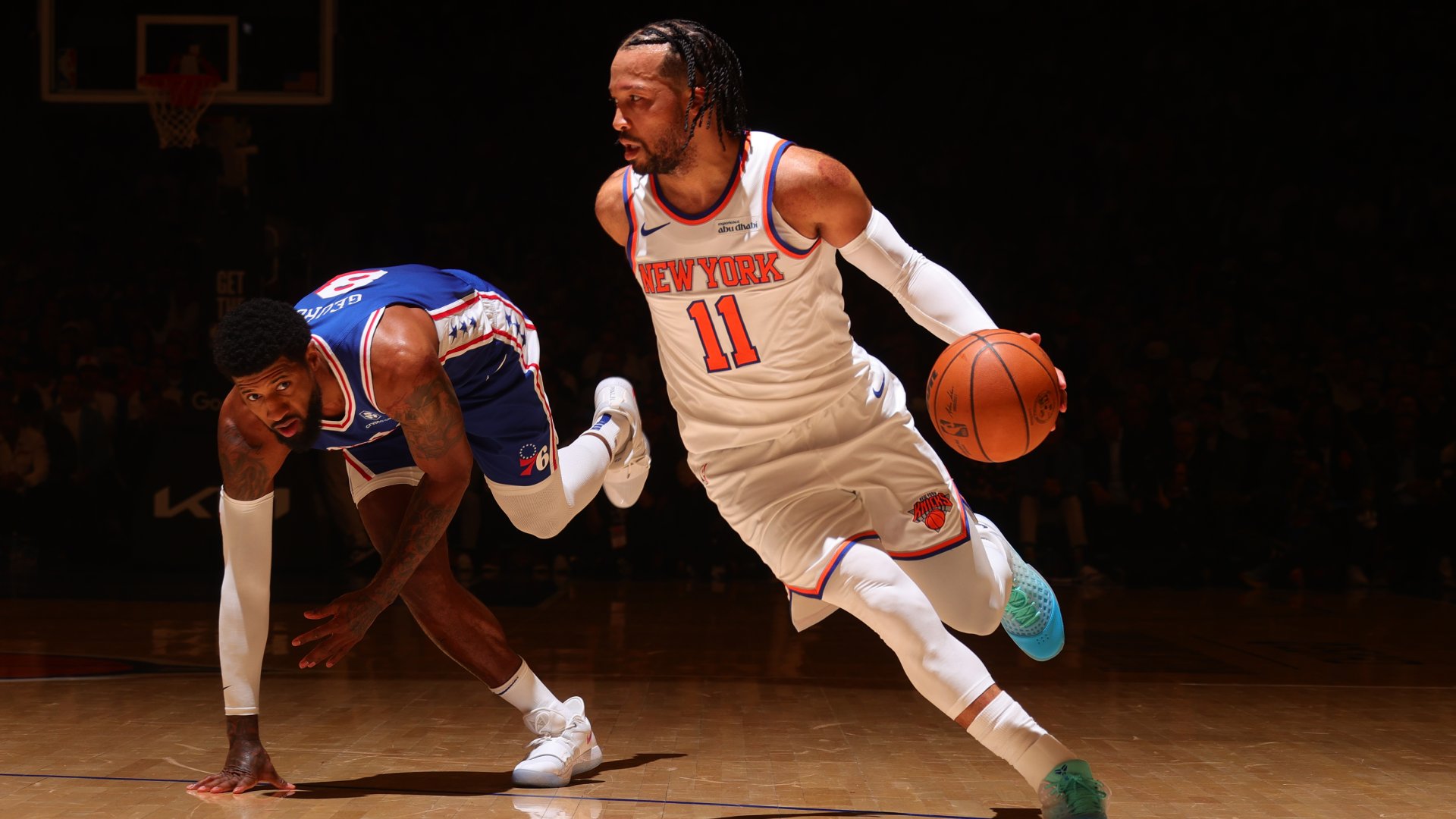
Jalen Brunson tore through the Sixers defense in Game 1, exposing critical weaknesses in their pick-and-roll coverage. The Knicks scored a staggering 1.49 points per possession through the first three quarters, culminating in Philadelphia's worst defensive performance of the season. Stopping Brunson isn't just a priority; it's the only path to competitive basketball for the Sixers.
The Pick-and-Roll Puzzle: Embiid's Role
The Sixers' defensive strategy in Game 1 primarily involved straight matchups, leaving Joel Embiid to guard either Mitchell Robinson or Karl-Anthony Towns. This setup allowed the Knicks to repeatedly run 1-5 pick-and-rolls, with Brunson as the ball-handler and Embiid's man setting the screen. These plays proved incredibly effective, with the Knicks scoring 19 points on 10 possessions directly from Brunson ball-screens involving Embiid's defender.
Strategic Adjustments: Pathways to Containment
Philadelphia has several options to consider for Game 2 and beyond:
- Refined Drop Coverage: Keep Embiid in drop but demand more from Brunson's primary defender to fight through screens and contest pull-up jumpers more effectively. Improved screen navigation is non-negotiable.
- Aggressive Blitzing: Blitzing Brunson could force the ball out of his hands and make the screener (especially if it's Robinson) a decision-maker. However, pulling Embiid away from the rim is risky, and Brunson's defender must prevent him from rejecting the screen and splitting the defense.
- Matchup Switches: The Sixers could experiment with different matchups, assigning a wing like Kelly Oubre Jr. or another forward to guard the opposing center, allowing Embiid to switch onto Brunson directly in pick-and-roll scenarios. This forces other Knicks to set screens against Embiid, changing the dynamic.
- Pre-Switching: While complex to execute in real-time, pre-switching defenders before a screen is set could disrupt New York's rhythm. This was seen on a few crucial possessions in Game 1 and late in the previous series.
- Zone Defense: Though the Knicks were the NBA's most efficient offense against zone (1.25 points per possession) in the regular season, a change of pace could briefly confuse them. However, Game 1 showed it mostly led to open looks, even allowing Towns a clear three-point attempt.
Unleashing the Big Man: Joel Embiid's Post-Up Power
Despite the Game 1 blowout, Joel Embiid's limited post-up opportunities were surprisingly efficient. The Knicks mixed up their coverage, sometimes allowing single-coverage and other times sending a double-team. The Sixers scored eight points on six possessions against single-coverage and five points on three possessions against double-teams, demonstrating Embiid's ability to either score or find open teammates. Crucially, Embiid's impressive 3.22 assist/turnover ratio in these playoffs highlights his reliable decision-making under pressure.
Given this success, expect Philadelphia to lean heavily on Embiid in the post during Game 2. This strategy not only capitalizes on his scoring prowess but also effectively draws fouls, a key Sixers advantage in Game 1 where they attempted a staggering 34 free throws.
Igniting the Spark Plug: Tyrese Maxey's Impact
Tyrese Maxey, the dynamic guard crucial to Philadelphia's offense, didn't consistently get downhill and attack in Game 1 until the Knicks had already seized control. While he did draw some fouls by attacking bigs in pick-and-roll, his overall aggressiveness was lacking. For the Sixers to have a chance, Maxey needs to find his burst and become an offensive catalyst from the opening tip.
His primary target should remain Karl-Anthony Towns. In their matchups over Towns' two seasons in New York, Maxey has been incredibly effective when Towns defends the screener in a pick-and-roll, generating an astonishing 1.73 points per chance for the Sixers. By attacking Towns relentlessly, Maxey can either finish at the rim, draw more fouls, or bend the defense to create open shots for his teammates.
Game 2 is a defining moment for the Philadelphia 76ers. Their season could hinge on their ability to execute defensive adjustments, maximize Embiid's presence, and unleash Maxey's speed against a red-hot Knicks squad. The stage is set for an intense showdown at Madison Square Garden.