

The Driver's Truth: "Yo-Yo Racing" Isn't Real F1
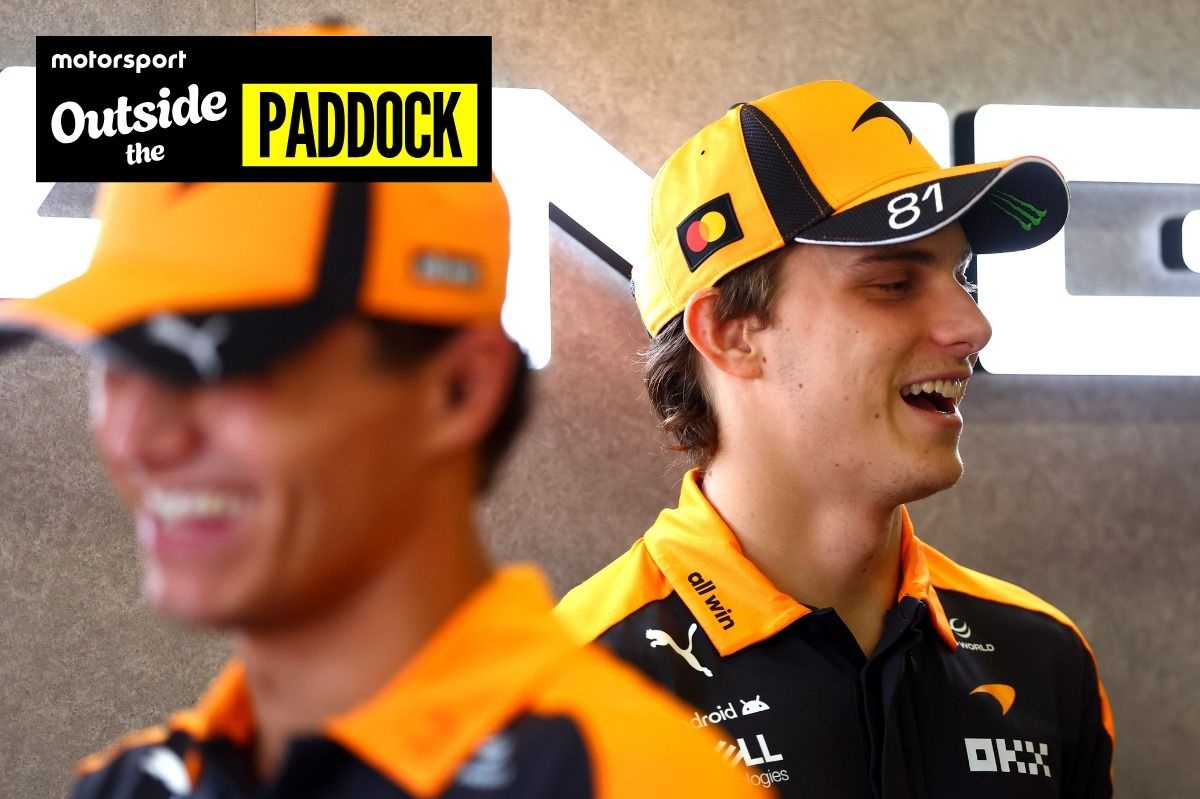
Lando Norris’s candid comments after the Japanese Grand Prix have sparked discussion across the paddock. While Verstappen wryly noted that regulations could leave drivers feeling like they’re along for the ride rather than in full control.
Key Highlights:
- Norris highlights a gap between TV spectacle and driver experience under 2026 regulations.
- Energy management and battery deployment now dictate overtakes more than pure car control.
- The new rules prioritize entertainment on-screen but challenge traditional racing dynamics.
- Drivers and fans share concerns about maintaining the sport’s classic competitive essence.
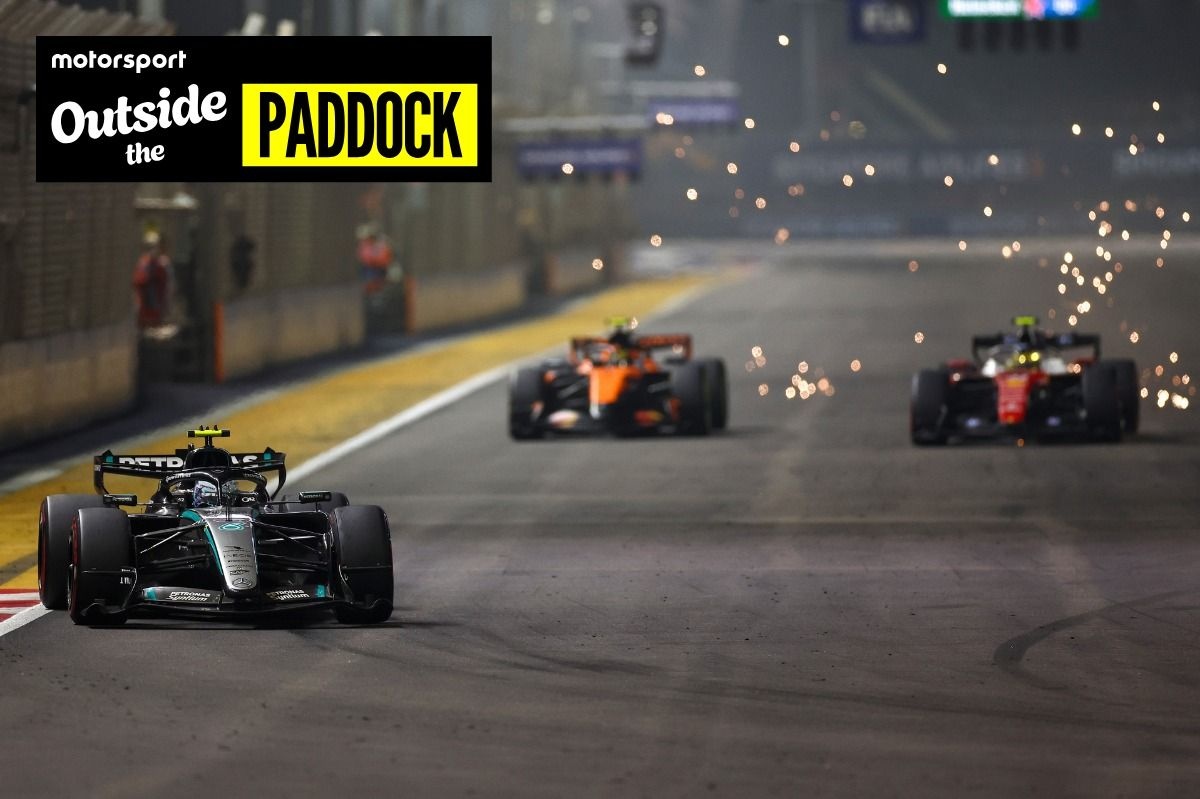
Norris explained that during the Japanese Grand Prix, he was forced to overtake Lewis Hamilton not out of strategy or desire, but because battery deployment dictated when he could pass. “Honestly, some of the racing… I didn’t even want to overtake Lewis. It’s just that my battery deploys; I don’t want it to deploy, but I can’t control it. So, I overtake him, and then I have no battery left, so he just flies past. This is not racing, this is yo-yoing,” Norris remarked, highlighting how 2026 F1 rules have shifted power from driver skill to energy management.
The Yo-Yo Effect: When Tech Drives the Race
According to Norris, many overtakes now hinge on battery deployment rather than strategy or raw speed. This shift highlights a tension in F1: while the sport looks spectacular on screen, the technical demands may reduce the feeling of pure racing for drivers themselves.
Norris’s point is clear: in some situations, drivers are no longer fully in command. Instead, they are reacting to the car’s automated power systems, creating a “yo-yoing” effect that can feel unnatural and frustrating, despite appearing thrilling on TV.
Balancing Fan Excitement and Driver Control
While the spectacle is entertaining for viewers, Norris stresses that the driver’s role should remain central. He echoed Verstappen’s concerns, suggesting that although fans are satisfied with the visual excitement, Formula 1 management faces a tough challenge in maintaining the sport’s competitive integrity behind the scenes.
Looking Ahead
Norris’s candid comments underline a critical debate for 2026 and beyond: how to reconcile the showmanship demanded by fans with the authentic control and skill that drivers crave. It’s a dilemma that will shape discussions around qualifying, energy management, and rule adjustments for the rest of the season.