

The chaos that engulfed the Bahrain Grand Prix formation lap wasn't just a technical hiccup; it was a stark, terrifying preview of what Formula 1 drivers fear most about the sport's future regulations. When cars lose power unpredictably, the stakes skyrocket, and the drivers’ trust in their machinery plummets.
Key Takeaways from Bahrain's Power Play:
- A software glitch during the Bahrain GP formation lap caused multiple F1 cars to lose power, creating dangerous conditions.
- Charles Leclerc described the experience as "scary," highlighting drivers' lack of control over power delivery.
- The incident reinforced long-standing concerns among drivers regarding the complexity and unpredictability of 2026 F1 power unit regulations.
- The FIA acknowledges the "bug" but short-term solutions to these deep-seated issues are elusive.
The Bahrain Bedlam: A Formation Lap Nightmare
The scene was set for a thrilling race, but a soggy formation lap quickly descended into alarming disarray. As rain lashed down, a software malfunction transformed powerful F1 machines into unresponsive metal, leaving drivers stranded or crawling at a snail's pace. It wasn't just inconvenient; it was genuinely dangerous.
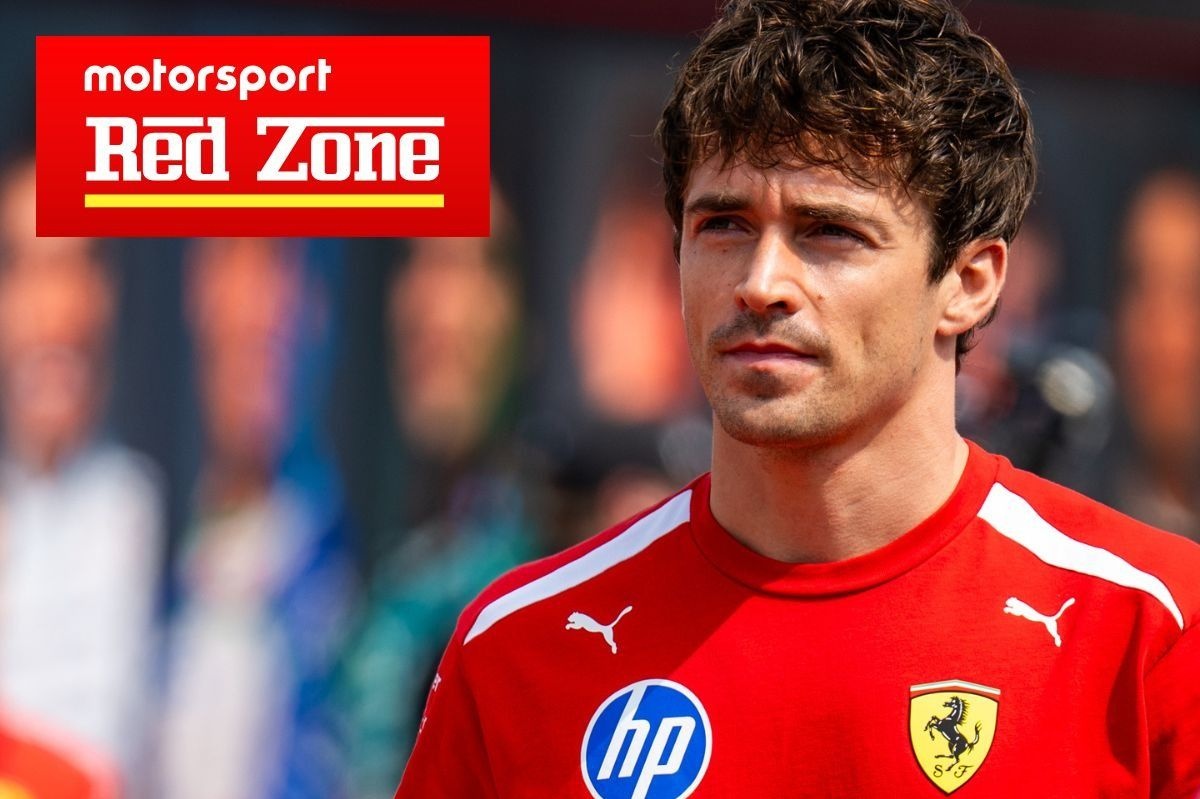
Charles Leclerc, piloting his Ferrari #16, recounted the terrifying moments. Initially, he thought a safety car had pulled away, or perhaps Max Verstappen was simply warming tires. But then, he realized the unsettling truth: "everybody was in the same boat," stuck at around 20 kph. His candid admission of it being "a little bit scary" underscores the gravity of the situation. Drivers like Lewis Hamilton were forced to perform full engine restarts just to regain control.
Unpacking the Glitch: FIA's Explanation
The immediate aftermath demanded answers, and they came from FIA single-seater director Nikolas Tombazis. He confirmed a specific "bug" was the culprit, preventing power redeployment when cars reached "very low speed." Essentially, the cars entered an unintended software loop, leaving drivers powerless over their throttle.
This explanation, while clarifying the technical fault, did little to soothe the underlying anxieties. It exposed a vulnerability in highly complex systems that F1 has increasingly relied upon. When such a fundamental aspect of racing – power control – becomes automated to this extent, the potential for widespread disruption is a chilling thought.
The Looming Shadow of 2026 Regulations
This Bahrain GP debacle wasn't an isolated incident; it was a flashing red light for concerns that have simmered among drivers for years. The upcoming 2026 F1 power unit regulations, in particular, have been a source of unease. Drivers frequently express frustration over not being "completely in control of the power" they are given, an issue dramatically amplified by the recent glitch.
Leclerc minced no words, connecting the dots between the weekend's chaos and the bigger picture. He highlighted the danger in conditions with poor visibility where sudden power changes could lead to "big shunts." The very essence of driver skill and control is being challenged by increasingly complex and sometimes unpredictable powertrain management.
A Diplomatic but Urgent Warning
While Leclerc maintained a level of diplomatic caution, his message was clear: "it's not good enough." He emphasized that these problems are "the results of decisions made quite a long time ago," implying that the foundational architecture of current and future power units is inherently flawed in terms of driver interface and reliability under extreme conditions.
Crucially, he warned against expecting "short-term solutions." Reversing or significantly altering these complex engineering decisions takes time, leaving drivers navigating a challenging landscape for the foreseeable future.
What's Next for F1's Power Play?
The FIA is undoubtedly aware of these pressing concerns. While new regulations in 2030 promise a fresh start, and even 2026 will see a slight re-balancing towards the internal combustion engine, the core issues of power unit control and software reliability remain paramount. The spectacle of Formula 1 hinges on the incredible skill of its drivers, not on their battle against an unresponsive throttle. For the sake of safety and the integrity of the sport, these "scary" moments must become a thing of the past.