

Lella Lombardi: F1's Unsung Hero & Women's Enduring Legacy
Forget what you thought you knew about women in Formula 1; their presence isn't a new phenomenon, but a vital, often unsung, thread woven through the very fabric of motorsport history. Today marks 85 years since the birth of Lella Lombardi, a true trailblazer whose unique achievement still resonates.
Key Points:
- Lella Lombardi remains the only woman to score F1 World Championship points.
- Women have been actively competing and working in motorsport since its earliest days.
- Modern F1 boasts increasing numbers of women in critical engineering, strategic, and pit crew roles.
- Initiatives like F1 Academy are fostering a stronger pipeline for future female talent, building on the foundations of these pioneers.
Unveiling F1's Hidden History of Female Grit
For too long, the narrative suggested Formula 1 was exclusively a man's domain, with women relegated to peripheral roles. This perception couldn't be further from the truth. While often rare and scattered, women have been a fundamental part of the sport's evolution, silently shaping its progress.
Today's Trailblazers: Women Leading from the Pit Wall
Look closely at the modern F1 paddock, and you'll find a dynamic shift. Red Bull boasts Hannah Schmitz as its Principal Strategy Engineer, a pivotal mind behind championship victories. Haas features Laura Muller as a race engineer, while Bernie Collins and Ruth Buscombe have cemented their reputations as sharp strategists. Beyond the technical roles, Michaelagh Tennyson is a vital part of Red Bull's pit crew, and Khloe Collins excels as a car build technician. Their growing recognition, amplified by initiatives like In Her Corner, signals a powerful, overdue change.
Early Speed Demons: Racing Before F1 Was Born
Long before the modern F1 World Championship took shape, women were already burning rubber. Figures like Camille du Gast, Maria Antonietta Avanzo, Elisabeth Junek, and Helle Nice defied conventions, competing fiercely in grand prix racing between the 1900s and 1940s. These pioneers laid crucial groundwork for future generations.
Breaking the Grid: Maria Teresa de Filippis' Bold Entry
In 1958, Maria Teresa de Filippis etched her name in history, becoming the first woman to qualify for an F1 Grand Prix. Her journey wasn't without blatant sexism, famously being told at the French Grand Prix that she “should stay at home and let men do the racing.” De Filippis refused to be sidelined. Her courage paved the way for the next generation, proving that skill and determination could defy prejudice.
Lella Lombardi: Making History Against the Odds
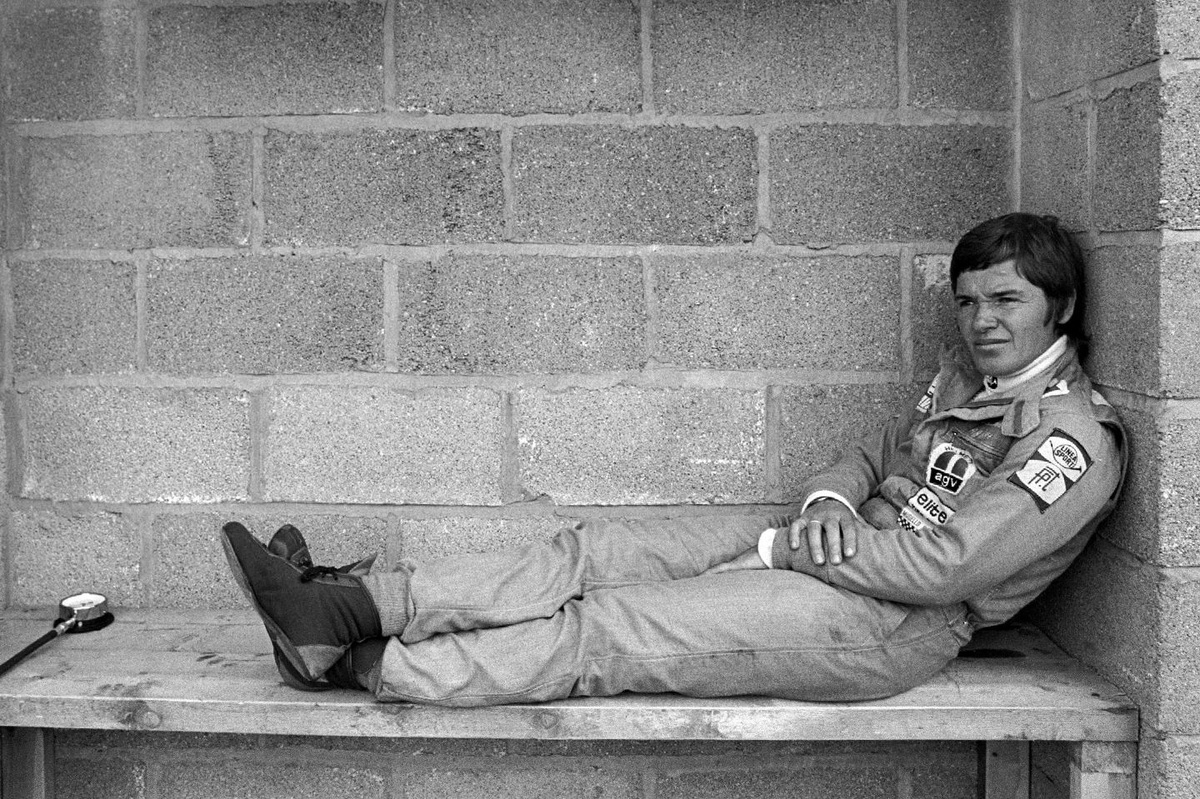
Building on De Filippis’ breakthrough, Lella Lombardi entered Formula 1 in the mid-1970s, becoming the only woman to ever score points in a World Championship race. Her sixth-place finish at the 1975 Spanish Grand Prix earned her a historic half point, a moment that remains unmatched decades later. Lombardi’s achievement was not just a personal milestone; it was a symbolic victory, showing that women could compete at the sport’s highest level despite systemic barriers.
Beyond the Cockpit: Women Shaping Motorsport
Lombardi’s influence extended beyond her own driving career. She competed in endurance racing and other international events, inspiring countless young women to pursue motorsport. Yet her story also underscores the challenges women have faced: decades would pass before another woman would even approach the Formula 1 grid. Today, the landscape is gradually changing, with female engineers, strategists, and pit crew members taking on critical roles that keep modern F1 teams competitive.
Looking Ahead: From Legacy to Opportunity
Initiatives such as the F1 Academy and programs like In Her Corner are actively cultivating talent, ensuring that the next generation of women can build on the foundation laid by Lombardi, De Filippis, and other pioneers. These efforts aim not only to increase participation but to normalize women’s presence in every corner of the paddock — from the garage floor to the podium itself. The enduring legacy of these trailblazers reminds us that Formula 1’s history has always been richer and more diverse than the headlines suggest.