

The Spanish Grand Prix is about to undergo a radical transformation! Madrid has officially wrestled the event from Barcelona, promising a decade of exhilarating Formula 1 action from 2025 on a groundbreaking new circuit at the IFEMA fairgrounds. This isn't just another street race; it's a bold statement, aiming to deliver an unparalleled fan experience rooted in accessibility, entertainment, and sustainability.
Key Points:
- Madrid secured the Spanish Grand Prix for a 10-year term, starting in 2025.
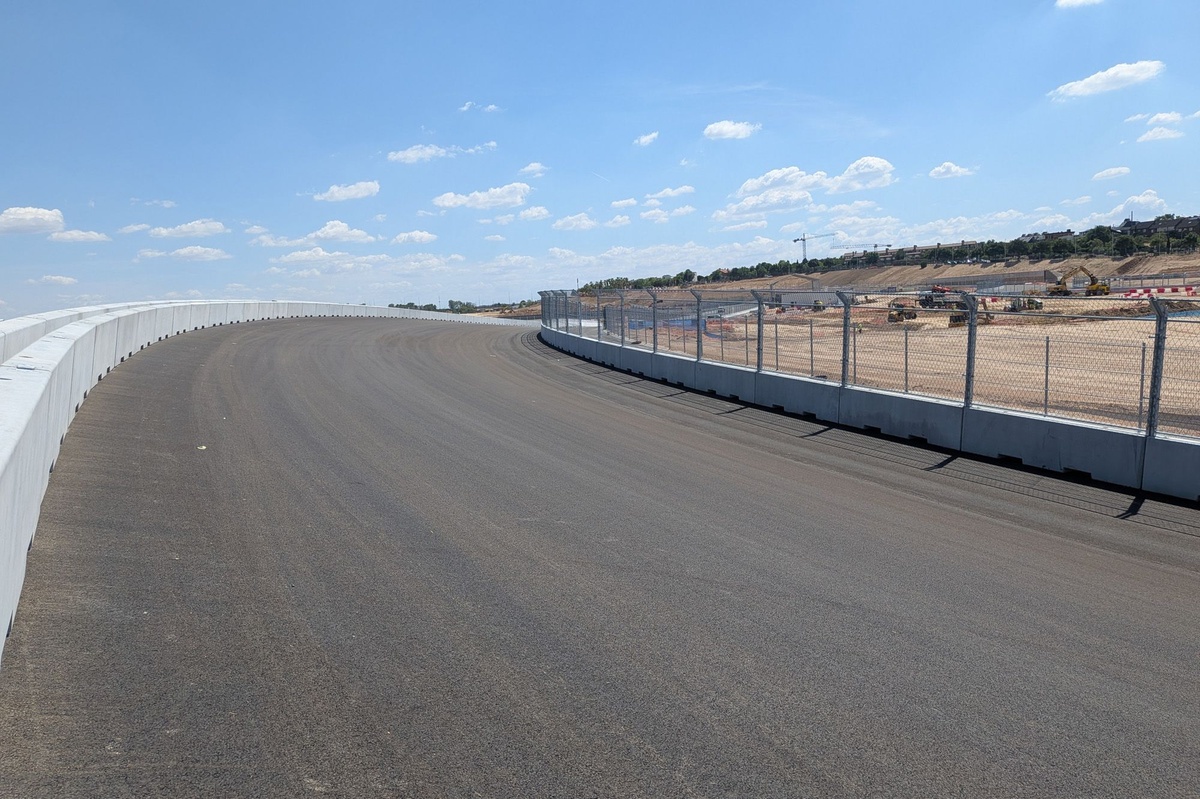
- The IFEMA circuit features the unique Monumental banked corner with a 24% inclination.
- Carlos Sainz, event ambassador, praised the track's driver-centric design.
- Hybrid layout blends permanent track speed with city accessibility.
The Dawn of a New Era: Madrid's F1 Takeover
Madrid is back on the Formula 1 calendar for the first time in 45 years, promising to redefine what a modern Grand Prix can be. Set to debut in 2025, the IFEMA circuit at the city's international airport is a testament to ambitious planning. With just months until its inaugural race, organizers recently threw open their doors, giving select media and dignitaries, including local hero Carlos Sainz, a glimpse into the future of Spanish motorsport.
Unpacking the "Madring": A Circuit of Two Halves
This 5.4km layout is no ordinary track. It's a calculated blend of purpose-built sections and urban integration, designed to maximize both raw speed and spectator engagement. The IFEMA circuit promises a driving challenge, as confirmed by Sainz, with a distinct character that avoids the pitfalls of generic modern tracks.
The Heart of the Beast: Conquering the Monumental
Every great circuit needs a signature, and Madrid has found its in the Monumental. This isn't just any banked corner; it's a 550-meter, 270-degree arc boasting the maximum permissible 24% inclination. Seeing it up close reveals its true complexity: a dynamic, ever-changing 3D plane that promises a blind, uphill exit for drivers.
Carlos Sainz anticipates a flat-out entry at 280km/h, creating tantalizing overtaking opportunities into the subsequent tight left turn. He credits organizers for crafting a circuit with "character" and "charisma," a clear nod to avoiding bland designs that often disappoint drivers.
Urban Blitz: Navigating the IFEMA Sector
Beyond the Monumental, the track transitions into a more traditional street circuit vibe within the IFEMA fairgrounds. Here, 90-degree corners and limited runoff define the challenge. A long straight between Turns 3 and 5 hints at potential overtaking spots into the tight chicane that follows. While this section might not be the most aesthetically pleasing on broadcast, its compact nature is key to the circuit's accessibility.
Fan Experience & Accessibility: A Blueprint for the Future
One of Madrid's most compelling selling points is its unwavering focus on the fan. The entire event is built around public transportation. Commuter trains will service the northern Valdebebas area, while a metro stop sits right on the paddock's doorstep.
IFEMA COO Carlos Jimenez confirmed the split spectator experience: over 60% of the 110,000 capacity will be in the north's expansive fan zones, offering a "traditional experience." The remaining 40% in the south, including the Paddock Club, caters to a "more VIP experience." Event director Luis Garcia Abad emphasized the commitment to a seamless fan journey, free from traffic woes, making the Madrid F1 Grand Prix a truly city-integrated spectacle.
Bumpy Road to Glory? Addressing Local Concerns
Like many ambitious projects, the Madrid F1 Grand Prix hasn't been without its detractors. Delays and protests from local residents sporting "Stop Formula 1" signs have marked its journey. However, organizers remain resolute.
Abad argues that the 14 hours of annual track activity is a minor sacrifice for the significant economic boost, including rising real estate values and new hotel developments. IFEMA's extensive experience running over 100 major events annually instills confidence, though Jimenez humbly admits lessons will be learned. The promise is a good experience, even in year one, delivered by a team committed to continuous improvement for this innovative Spanish Grand Prix.