


F1 Giants Target Lost Strength in 2026 Reset
McLaren’s recent rise in Formula 1 has been powered by one of the sharpest weapons in the modern grid: exceptional tyre management. From controlling degradation to staying competitive in extreme heat, it was a defining factor in their 2024 and 2025 success.
But as F1 enters a new technical era, that advantage has faded—forcing McLaren into what team principal Andrea Stella describes as a necessary “reset” as the team rebuilds its performance foundations under completely new regulations.
Key Highlights
- McLaren’s tyre management, once a major competitive advantage in 2024–2025, has not fully carried over under new regulations
- Barcelona GP exposed weaknesses in hot conditions, with rivals Ferrari making a clearer step forward in race pace
- The 2026 regulation shift forced McLaren into a full “reset,” prioritising car integration over performance refinement
- The team has now shifted focus to development and aims to rebuild its tyre optimisation strength as a core performance target
Tyre Strength That Once Defined McLaren
During its title-challenging seasons, McLaren built a reputation for keeping tyres in the optimal temperature window longer than its rivals. This allowed for stronger race pace, fewer drop-offs, and more consistent stints across different track conditions.
At its peak, this strength made McLaren one of the most complete race-day packages on the grid, especially in high-degradation races where tyre control was critical. However, under the latest F1 regulation shift, that advantage has not carried over as expected.
Barcelona Exposes the Gap
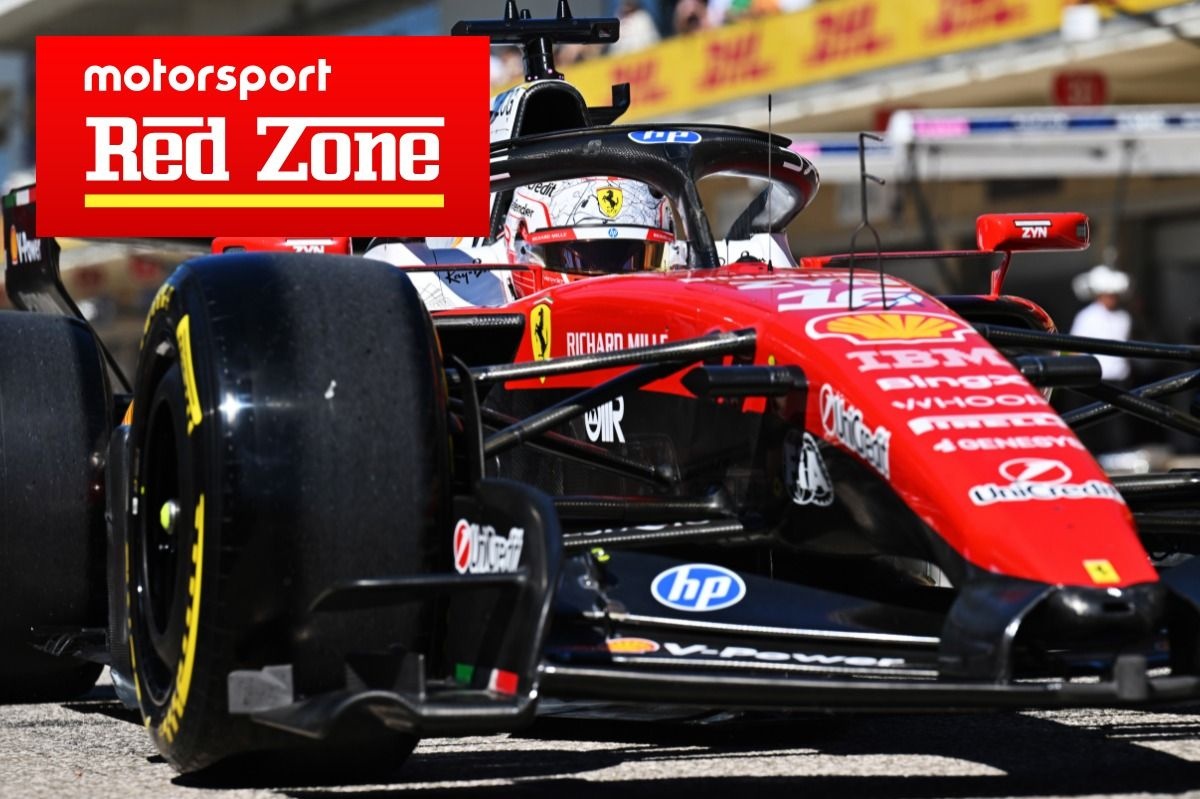
The Barcelona Grand Prix highlighted McLaren’s current challenge. In hot, high-downforce conditions, Ferrari made a clear step forward after its upgrade package, while McLaren struggled to match race pace consistency.
Lando Norris managed to secure third after circumstances unfolded in his favour, while Oscar Piastri found it harder to extract performance in the heat, finishing outside the podium positions. The weekend underlined a key reality: McLaren is still competitive, but no longer dominant in tyre behaviour.
Development Reset Under New Regulations
Andrea Stella has acknowledged that the 2026 regulation shift—covering chassis design, tyres, and complex new power unit systems—has forced McLaren to rebuild its approach from the ground up. “It's a bit of a reset that we were kind of forced to take… We needed to meet all these demands in a single go to start a new project.”
Instead of refining an existing concept, the team had to prioritise integration of all systems first, before focusing on performance optimisation. Now, development is moving into a second phase focused on fine-tuning key performance areas, especially tyre conditioning and race degradation.
Final Thoughts: Rebuilding a Winning Edge
McLaren’s journey is not a step backwards, but a transition phase. The foundations that once made the team a tyre-management benchmark are still there—but under new rules, they need to be reactivated, reworked, and refined. If McLaren succeeds, this “reset era” could become the platform for an even stronger return to front-running consistency in the seasons ahead.