The Weight of Expectation: A 20-Year Quest for Gold
The clock is ticking, and the pressure is mounting for Malaysia's badminton squad as they head to Aichi-Nagoya for the Asian Games. With a staggering 20-year gold medal drought hanging over their heads, the mission to reclaim glory appears daunting, yet the nation holds its breath for a breakthrough performance.
Key Takeaways for Malaysia at the Asian Games:
- Long-Standing Drought: The nation aims to end a 20-year gold medal drought in badminton at the Asian Games.
- Expert Caution: Former Olympian Datuk Rashid Sidek warns of significant challenges, citing inconsistent form and injury concerns.
- Doubles Hopes: Malaysia's strongest medal prospects lie within the doubles categories, with specific pairings highlighted.
- Singles Struggle: Singles players face an uphill battle against the formidable world-class talent from across Asia.
The Weight of Expectation: A 20-Year Quest for Gold
The Asian Games represent a pinnacle of continental sporting achievement, often considered second only to the Olympics in terms of badminton difficulty. For Malaysia, the shadow of the 2006 Doha Games, where Koo Kien Keat and Tan Boon Heong last secured gold, looms large. Can this current generation rise to the occasion and etch their names into history?
Rashid Sidek's Sobering Assessment
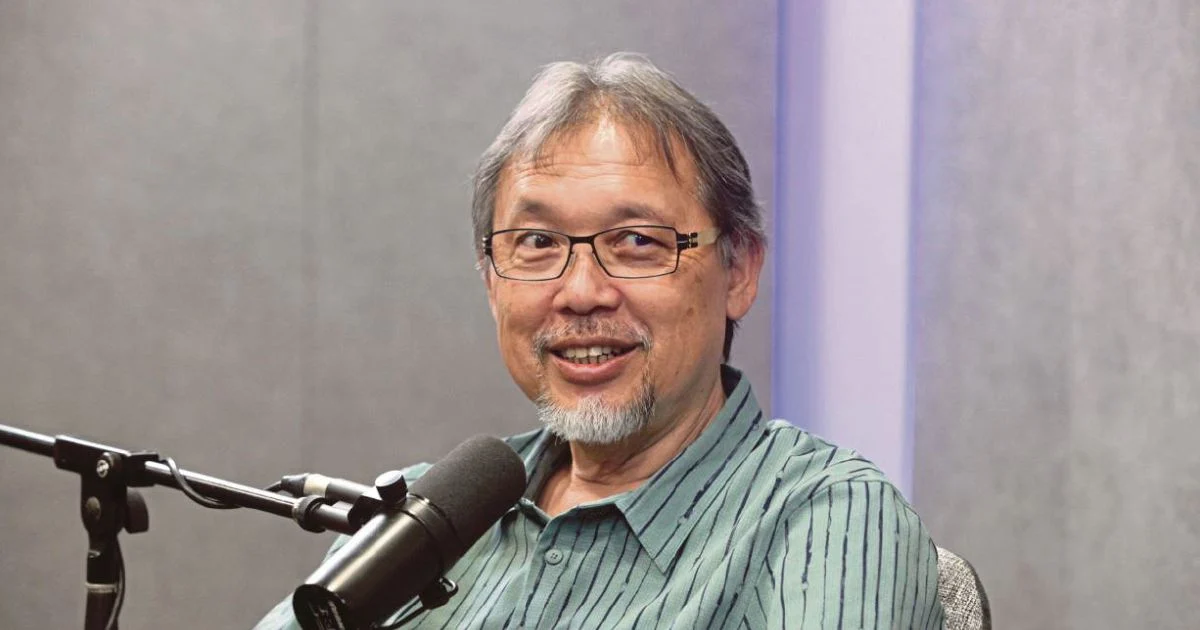
Datuk Rashid Sidek, a celebrated figure in Malaysian badminton and an Olympic bronze medallist, offers a pragmatic view. He highlights critical factors such as inconsistent player performances, recent injuries, and a general lack of commanding results leading into the competition. These elements combine to paint a challenging picture for Malaysia's gold medal aspirations.
"The Asian Games are a brutal test," Rashid emphasizes. "Most of the world's elite shuttlers hail from Asia, meaning every round will be an intense battle. Our players must understand the magnitude of this stage and fight for national pride."
Doubles: Malaysia's Shining Hope?
Despite the overall caution, Rashid identifies the doubles events as Malaysia's most promising avenue for medals. The tactical depth and spirited play often found in doubles could be the key to unlocking success.
Men's Doubles Pairings to Watch
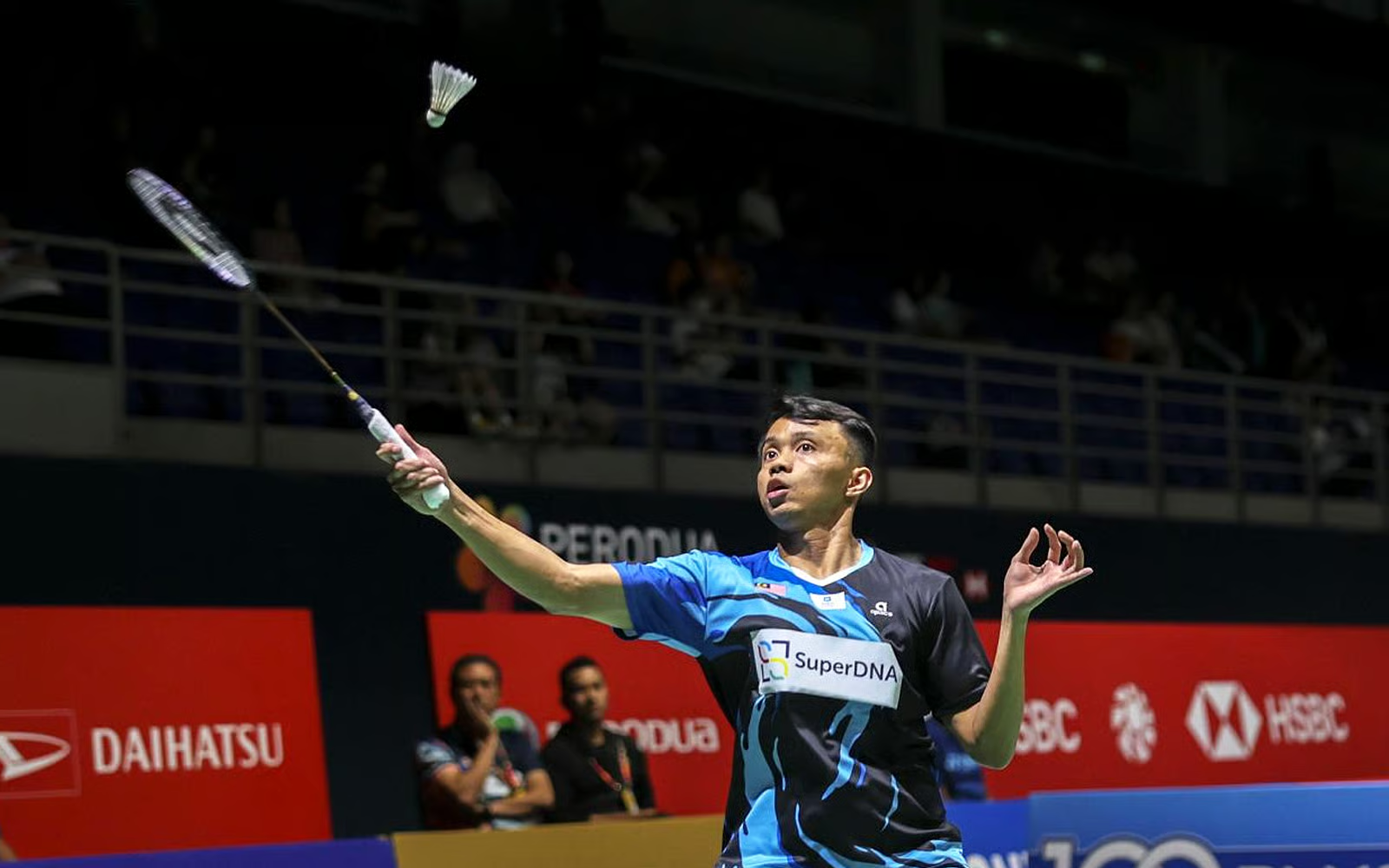
In the men's doubles, two pairs carry the nation's hopes. World No. 6 Goh Sze Fei-Nur Izzuddin Rumsani have shown flashes of brilliance, yet their consistency remains a question mark under pressure. Rashid notes that their form can be unpredictable, often faltering when expectations are highest.
Conversely, the scratch pair of Aaron Chia-Tee Kai Wun could be a dark horse. Their relative novelty might allow them to play with less burden, potentially surprising more established opponents and disrupting the draw.
Women's Doubles: Resilience Under Scrutiny
The dynamic duo of Pearly Tan-M. Thinaah, currently world No. 5, are also strong contenders. However, Pearly's recent recovery from a back injury is a significant concern. Her fitness will be crucial for their performance in Aichi-Nagoya.
"Pearly-Thinaah might not be at their absolute peak right now, but their 'never-say-die' attitude is legendary," Rashid affirms. "That fighting spirit alone gives them a genuine chance to push for a podium finish."
The Steep Climb for Singles Stars
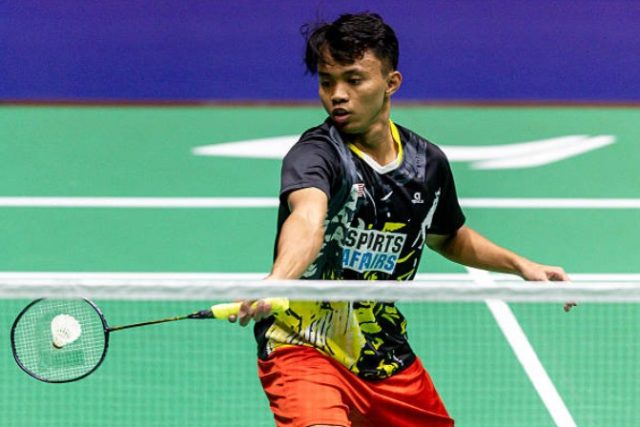
For Malaysia's singles representatives, the path appears considerably tougher. Players like men's singles hopefuls Leong Jun Hao (world No. 31) and Justin Hoh (world No. 4 junior ranking, currently unranked in seniors due to injury), alongside women's singles talents K. Letshanaa (world No. 28) and Wong Ling Ching (world No. 37), are expected to face an arduous challenge.
Against a field boasting numerous top-10 global talents, securing a medal in singles will be an extraordinary feat. While acknowledging their potential for growth, Rashid suggests they are currently out of their depth against the continent's elite.
Honouring the Flag: A Call to Rise
Despite the pragmatic outlook, the message to Malaysia's shuttlers is clear: play with heart and determination. The Asian Games badminton action kicks off with the men's and women's team events from September 20-24, followed by the individual events from September 25-29. This is their moment to rise, perform for the flag, and make the nation proud, regardless of the medal count.