In an unprecedented clash of corporate interests and athletic pride, the Mindanao Open 2026 witnessed a championship spectacle vanish before it even began, leaving two top players sharing a gold medal without a single point scored.
This incident at the Davao tournament on May 22, 2026, has ignited crucial discussions about sponsorship ethics and the rapid professionalization of pickleball.
Key Points:
- Quang Duong and Phuc Huynh reached the men's singles final but refused to play.
- The dispute stemmed from conflicting sponsorships over 40-hole and 48-hole pickleballs.
- Organizers initially awarded Phuc Huynh the win, then reversed to declare both players joint champions.
- The incident highlights the growing pains of professional pickleball and its evolving sponsorship landscape.
The Davao Duel That Never Was
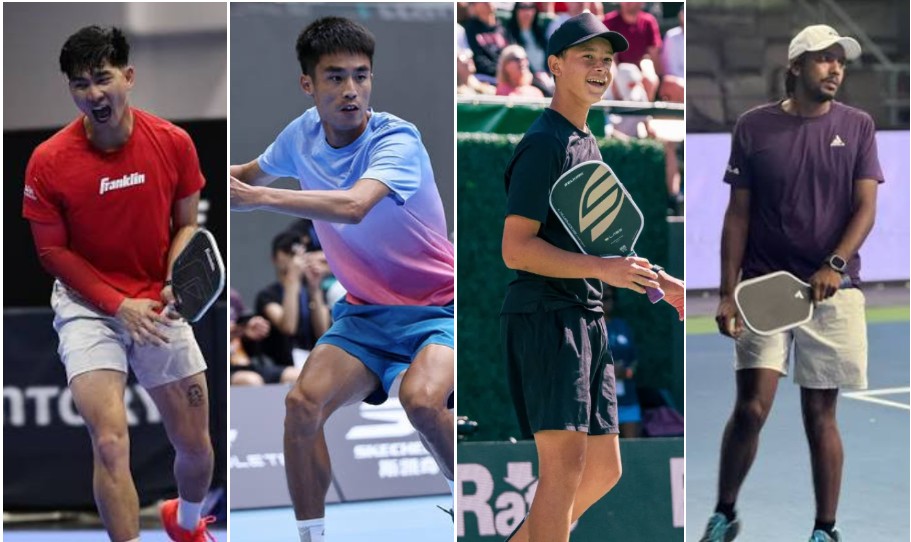
Anticipation was high for the men's singles final at the Mindanao Open. Two Vietnamese powerhouses, Quang Duong and Phuc Huynh, had fought through a competitive bracket to earn their spot. However, when the time came for them to step onto the court, they refused to play.
Spectators watching the livestream were left baffled as the championship match was abruptly cancelled. The reason, which quickly emerged, wasn't personal animosity between the players, but a stark clash of commercial interests.
Brand Battles on the Court: The Sponsorship Showdown
At the heart of the controversy were the official tournament balls. Both 40-hole and 48-hole pickleballs, manufactured by different Vietnamese companies, were sanctioned for play at the Mindanao Open. This dual acceptance inadvertently created a direct conflict.
Phuc Huynh is a sponsored athlete for the brand producing the 40-hole ball. Conversely, Quang Duong had consistently used his sponsor's 48-hole ball throughout his journey to the final. Neither player was willing to compromise, citing their contractual obligations.
Duc Duong, Quang's father, left no room for interpretation regarding his son's stance. “We didn’t fly from the US to the Philippines to advertise for another company,” he stated definitively, highlighting the significant financial stakes involved for elite players.
From Standoff to Shared Glory: A Championship Resolution
Initially, tournament organizers declared Phuc Huynh the sole champion, a decision that Quang Duong swiftly contested. Following several hours of intense negotiation and discussions, an extraordinary reversal occurred.
In a move that stunned many, organizers announced both Quang Duong and Phuc Huynh as joint champions. They cited "unforeseeable circumstances" that prevented the final, framing the shared gold medals as a gesture of respect and fair play. Nguyen Huu Hung Anh was awarded third place.
To prevent similar issues, Philippines Pickleball Federation founder Aldus Corel Dela Cruz implemented an immediate change. For the remaining days of competition, only 40-hole balls would be used, alternating between the two accepted brands daily. The 48-hole ball was completely withdrawn from play.
The Future of Professional Pickleball: Lessons Learned
This incident transcends a single tournament; it exposes a critical challenge facing professional pickleball. For top athletes, equipment sponsorships are vital income streams, making the use of a rival brand's gear a direct breach of contract and loyalty.
The difference between ball types—in hole count, construction, and feel—isn't cosmetic; it impacts performance. The Mindanao Open's experience serves as a harsh but necessary lesson: accepting competing ball sponsorships in a major draw creates a structural problem that can implode when star players collide.
With two players, two gold medals, and zero games played, the Davao pickleball tournament delivered a memorable, if controversial, moment. It underscores that as pickleball rapidly professionalizes, its governing bodies and event organizers must evolve their policies to match the growing commercial complexities of the sport.
.png)