


The Monaco Grand Prix always promises drama, but this year it delivered a baffling controversy that robbed Pierre Gasly of a hard-earned podium and shook the very foundations of Formula 1's officiating. Alpine's courageous decision to challenge the two pit lane speeding penalties handed to Gasly has ignited a firestorm, demanding a clear explanation for the unprecedented number of infringements during the race. This isn't just about one driver's misfortune; it's about the integrity of the system itself.
- Pierre Gasly (Alpine) was denied a potential podium finish at the Monaco Grand Prix due to two highly disputed pit lane speeding penalties.
- The race saw an extraordinary six pit lane speeding penalties, impacting top drivers like George Russell, Lewis Hamilton, and Oscar Piastri.
- Alpine has formally requested a "Right of Review" with the FIA, aiming to overturn Gasly's penalties by proving he did not exceed the speed limit.
- The core of the issue lies with Formula 1 Management's (FOM) pit lane timing system, suspected to be flawed, particularly in Monaco's unique and tight pit lane layout.
Monaco Mayhem: A Podium Dream Smashed
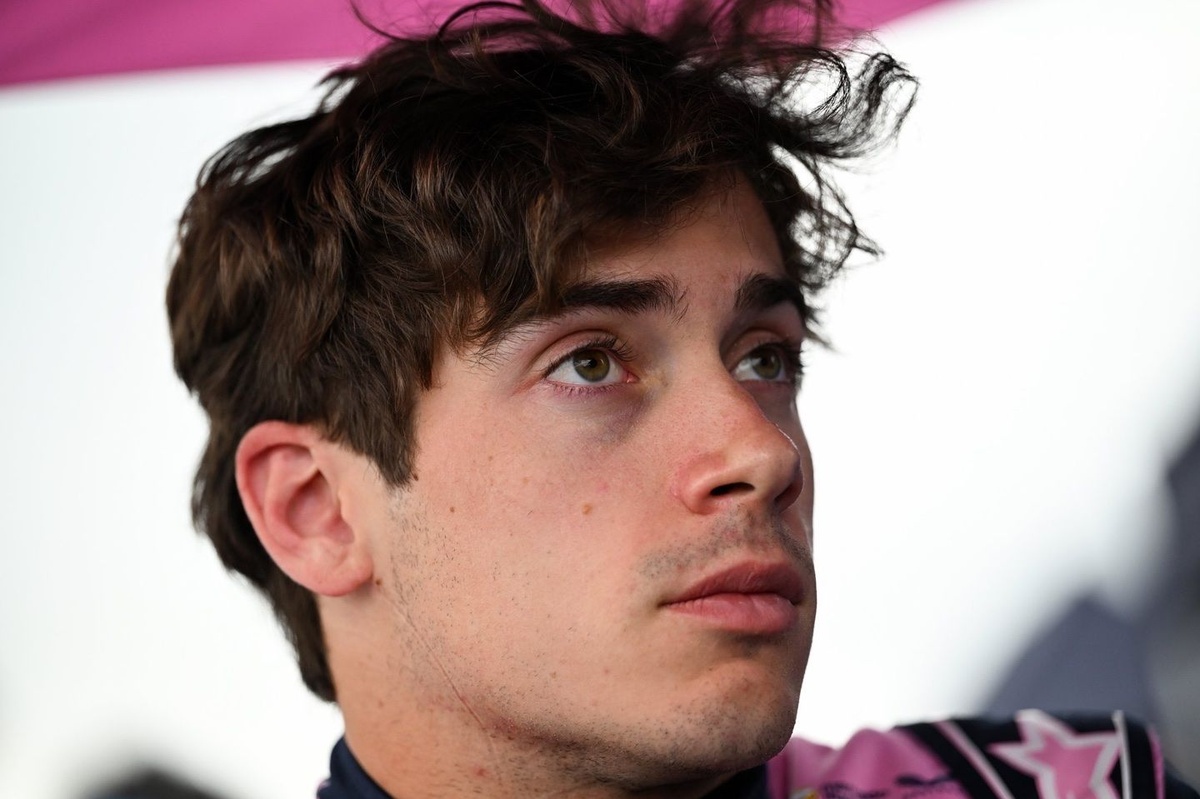
Pierre Gasly was left fuming after the Monaco Grand Prix, adamant he did not violate pit lane speed limits. His Alpine team echoed this sentiment, revealing their internal speed limiter was set conservatively at 59.5 kph, a full 0.5 kph below the permitted 60 kph. This level of caution makes the penalties feel like a cruel joke, especially when a podium was within reach.
The Frenchman's emotional post-race interview highlighted the frustration shared across the paddock. It wasn't just Gasly; a staggering six penalties were issued in total, affecting championship contenders and fan favourites alike. This volume of infringements in a single race is virtually unheard of, sparking immediate suspicion.
The Phantom Speeding Incident
What truly happened in the Monaco pit lane remains shrouded in mystery for now. The standard F1 system measures time between checkpoints, rather than instantaneous speed, to prevent drivers from 'gaming' the system. However, the unique, cramped layout of the Monaco pit lane, with its sharp turns and potential for drivers to "shorten" the route, may expose a critical weakness in this very system.
Drivers like Gasly swear they actively engaged their pit lane limiters early, taking extra precautions. The sheer number of penalties suggests either an unprecedented collective lapse in driver judgment or, far more likely, a fundamental flaw in the timing mechanism provided by Formula 1 Management (FOM).
Alpine's Audacious Challenge: The Right of Review
Alpine's boss, Steve Nielsen, has been vocal about the team's confusion and their determination to get answers. Their "Right of Review" isn't a simple appeal; it's a formal process requiring new, significant, and relevant evidence to be presented to the stewards. This hearing, set for Thursday, could be pivotal.
The team's primary argument hinges on their car's telemetry data, which they believe will definitively prove Gasly never exceeded the 60 kph limit. The challenge, however, is convincing the stewards that this data constitutes 'new' evidence, as it was technically available during the race, even if not directly presented to race control.
Unpacking the Regulatory Loophole
A key area of contention lies in F1's rulebook. While regulations clearly state a "speed limit will be imposed in the pit lane," they lack specific detail on what constitutes "speeding" within the checkpoint-based timing system. If a car's instantaneous speed never exceeds the limit, but the average time between points suggests otherwise due to corner cutting, who is truly at fault?
If Alpine succeeds, the ramifications could be monumental. Overturning Gasly's penalties would not only reinstate his rightful position but also open a "can of worms" for other penalised drivers. What about George Russell, who not only received a speeding penalty but another for failing to serve it correctly? The domino effect could rewrite a significant portion of the Monaco Grand Prix results.
F1's Timing System Under the Microscope
The Monaco incident isn't the first time an F1 enforcement system has faced scrutiny. Back in the 2009 Singapore Grand Prix, Sebastian Vettel received a similar penalty, arguing he shortened the pit entry, not sped. More recently, the 2023 United States Grand Prix saw stewards label track limits policing as "completely unsatisfactory" due to insufficient camera coverage.
The stewards in F1 are an independent body, tasked with evaluating evidence based solely on regulations. This independence means they are not beholden to protecting FIA or FOM systems. Should Alpine present compelling evidence that the system was unfit for purpose in Monaco, the stewards could, theoretically, agree, triggering a deeper re-evaluation of how pit lane speeds are monitored at unique venues.
While a complete overhaul of the Monaco Grand Prix results seems unlikely – much like Haas's unsuccessful "Right of Review" attempt in 2023 – the hearing will undoubtedly force a critical examination of F1's pit lane monitoring system. The long-term outcome might be improved technology and clearer regulations, but for Pierre Gasly, that hard-fought podium remains a distant, painful memory for now.