

In the cutthroat world of Formula 1, aggression often divides opinion, and Franco Colapinto just became the latest flashpoint. Following a chaotic multi-car pile-up at the Azerbaijan Grand Prix, many were quick to condemn the young driver. But racing icon Juan Pablo Montoya has stepped into the fray, not with criticism, but with a surprising defense, celebrating Colapinto's 'aggressive' race craft at the Baku City Circuit.
Key Takeaways from Baku's Collision Chaos
- Franco Colapinto triggered a significant multi-car incident during a safety car restart at the Azerbaijan Grand Prix.
- The collision at Turn 1 involved his teammate Pierre Gasly and Lando Norris, forcing all three drivers into early retirement.
- Despite his immediate apology and widespread criticism, F1 legend Juan Pablo Montoya staunchly defended Colapinto's "aggressive" style.
- Montoya highlighted the importance of taking risks and seizing opportunities, drawing comparisons to Max Verstappen.
The Baku Debacle: Unpacking Colapinto's Costly Mistake
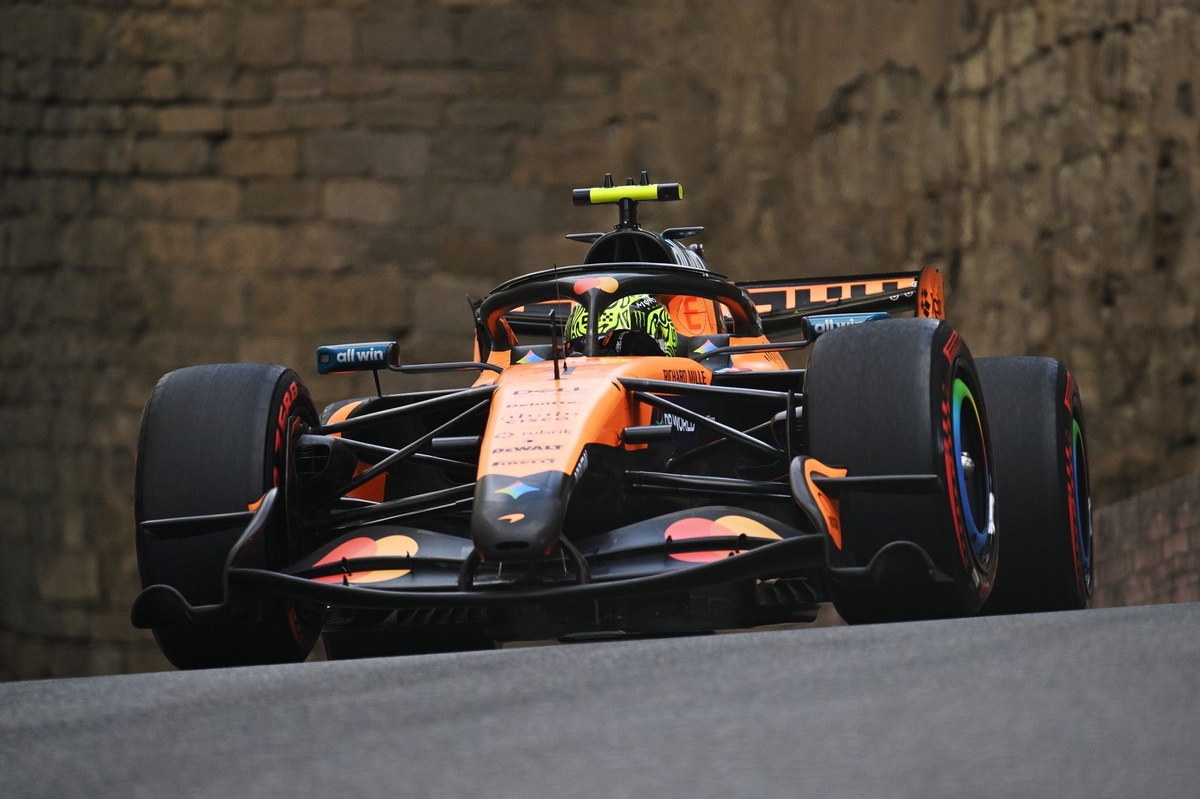
The Azerbaijan Grand Prix saw a dramatic twist during a safety car restart when Franco Colapinto misjudged his braking into Turn 1. The Argentinian driver locked his wheels, initiating a chain reaction. He first collided with his Alpine teammate, Pierre Gasly, before Gasly was shunted into Lando Norris.
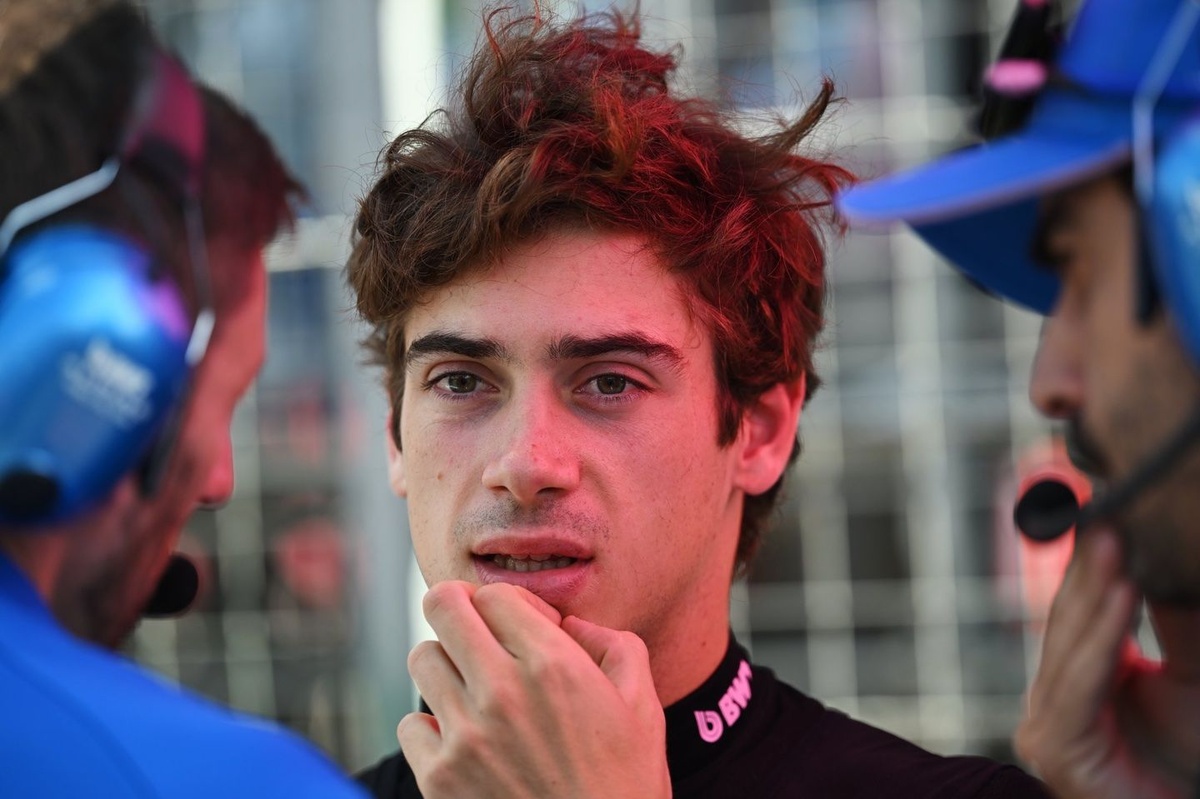
The aftermath was brutal: all three drivers were forced to retire from the race. A visibly contrite Colapinto immediately admitted he was "completely out of control" and offered his apologies. The incident sparked predictable condemnation from the paddock and fans alike, raising questions about his race management.
Montoya's Maverick Stance: Championing Aggression Over Caution
Amidst the chorus of disapproval, Juan Pablo Montoya, known for his own fiery and uncompromising driving style, offered a refreshing counter-narrative on F1 TV. Rather than lambasting Colapinto, Montoya praised his intent. "I admire people that try," he declared, framing the crash as an unfortunate consequence of an opportunistic mindset.
Montoya suggested that Colapinto anticipated rivals would dive deep into the corner. However, a "traffic jam" effect meant drivers ahead backed off unexpectedly. Caught off guard, Colapinto braked hard, swerving to the inside in a desperate attempt to avoid contact, but ultimately striking Gasly and Norris. "He made a mistake, but it was close," Montoya observed, emphasizing the fine line between daring and disaster.
The Verstappen Parallel: Risk, Reward, and Rookie Errors
The former Grand Prix winner went further, drawing a compelling parallel between Colapinto's approach and that of reigning champion Max Verstappen. "When you're always the guy, like Max Verstappen, who always sees an opportunity to take it, you're going to make mistakes," Montoya explained. This comparison underscores a core philosophy: true champions often emerge from a willingness to push limits, even if it leads to errors.
While the incident undoubtedly cost Alpine and McLaren valuable points, with Colapinto currently sitting 12th in the drivers' championship (Gasly 10th), Montoya's perspective invites a different kind of reflection. It highlights the eternal tension in motorsport: the necessity of aggression to win, weighed against the precision required to avoid costly miscalculations. Was it reckless, or the growing pains of a future star learning where the line truly lies? The debate rages on.
.jpg)