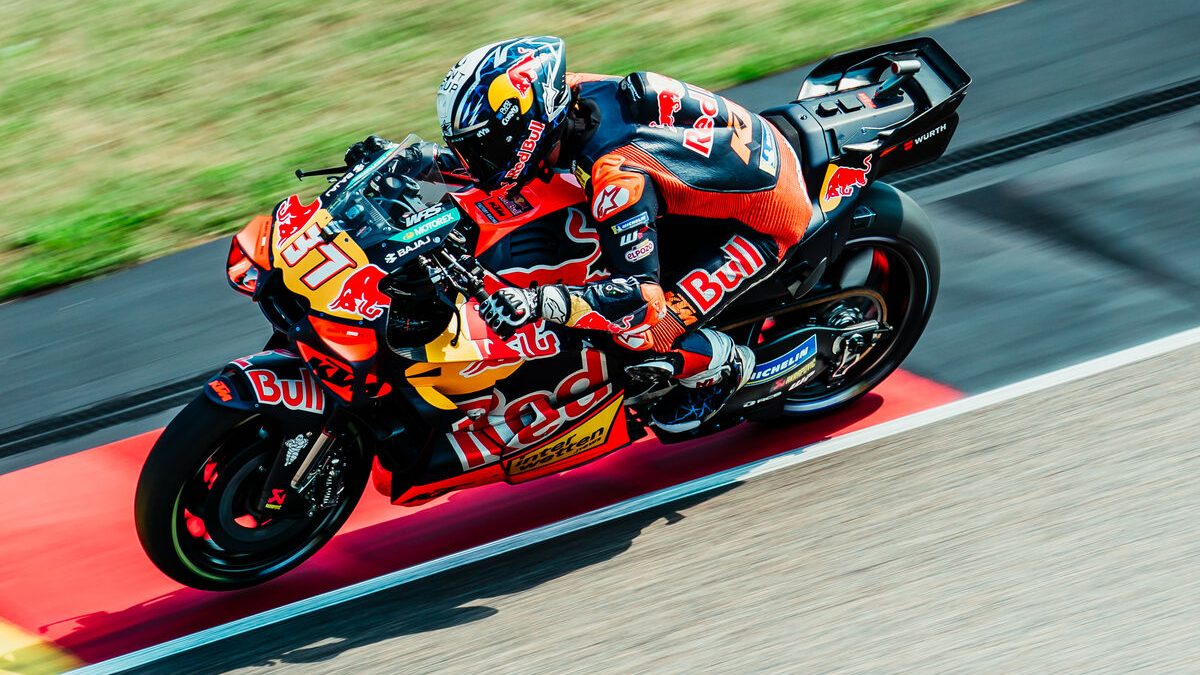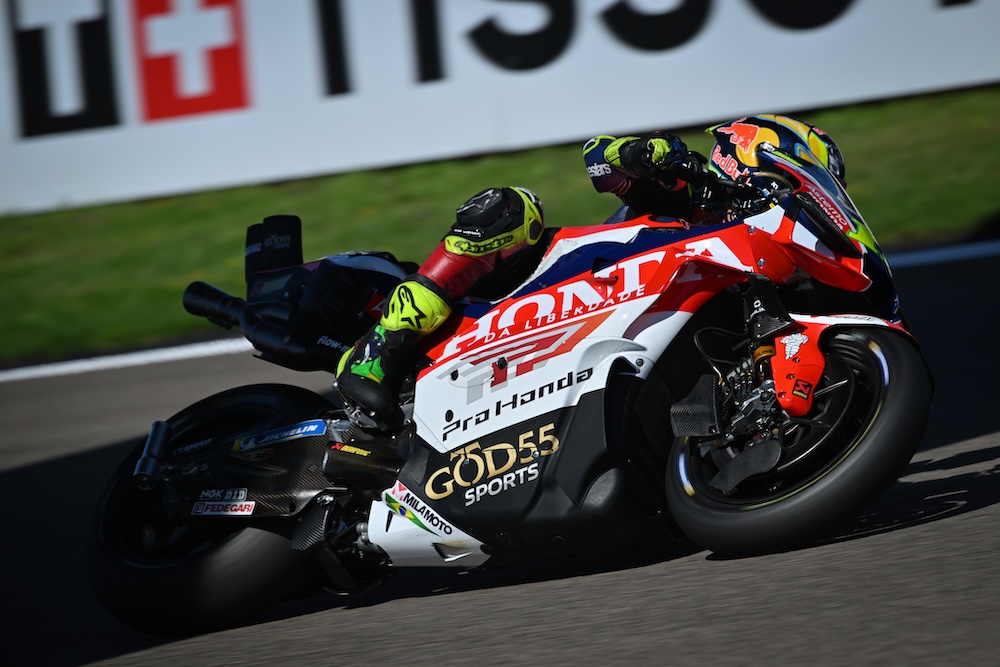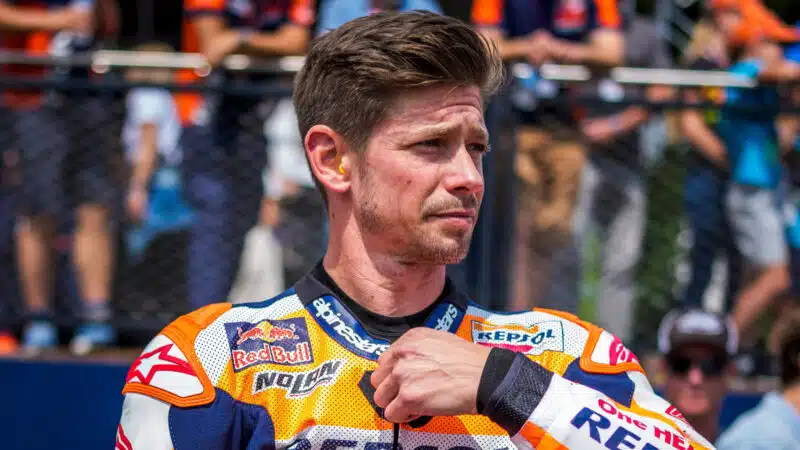

MotoGP could be heading toward one of the most significant rule changes in recent history, as discussions continue over a proposal to limit each rider to a single motorcycle from the 2027 season onward.
The idea is currently being evaluated as part of wider negotiations involving the championship promoter, manufacturers, and teams regarding regulations for the 2027 to 2031 cycle. While no final decision has been made, manufacturers are reportedly pushing strongly for the move as a way to reduce operational costs across the grid.
At present, MotoGP riders typically have access to two fully prepared bikes during a race weekend. This allows teams to experiment with different setups in practice and quickly switch machines during changing weather conditions. Under the proposed format, that flexibility would disappear.
The concept would bring MotoGP closer to feeder categories such as Moto2 and Moto3, where riders have competed with a single bike setup for years. However, the premier class is expected to adopt a system closer to the one used in the Superbike World Championship.
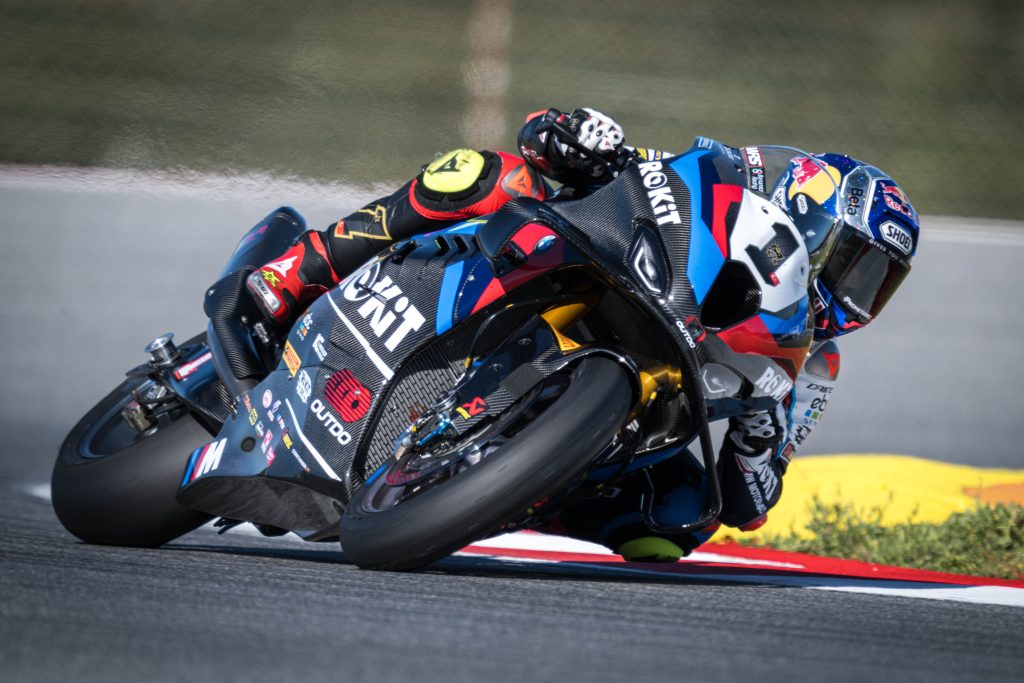
In WorldSBK, riders officially operate with one machine, while teams keep a backup bike available in case the main chassis becomes unusable after a crash or technical issue. Any replacement requires approval from technical officials before it can enter the session.

Source: MotoGP
The proposed MotoGP change is largely driven by financial considerations. Reducing the number of active motorcycles could lower equipment costs and reduce the amount of personnel required during race weekends. Similar measures have already been implemented in other top-level motorsport categories, including Formula One, which eliminated spare “T-cars” in 2008 as part of wider cost-cutting efforts.
Beyond the financial side, the sporting impact could be enormous.
Teams currently rely on having two bikes to test separate setup directions during practice sessions. One machine may carry a different electronics package, suspension setting, or tyre strategy while the other serves as a comparison tool. A one-bike format would force engineers and riders to commit more carefully to every adjustment, increasing the pressure during limited track time.
Wet-weather races could also look very different under the new system.
MotoGP has long been known for its dramatic flag-to-flag bike swaps, where riders enter the pits and jump onto a second motorcycle fitted with a different tyre setup. The scenes have become a trademark of the championship since their introduction in the mid-2000s.
If the single-bike proposal is approved, those rapid machine changes would likely disappear. Instead, riders would need to pit while mechanics change tyres on the same bike, similar to the procedure used in WorldSBK. The process would likely include mandatory minimum pit-stop times to maintain safety standards.
While the change may reduce some of MotoGP’s most iconic pit lane moments, supporters believe it could introduce a different type of tension by placing even greater emphasis on strategy, precision, and risk management throughout a race weekend.
With discussions still ongoing, the proposal remains under review, but the possibility of a one-bike era is already generating major debate across the paddock.