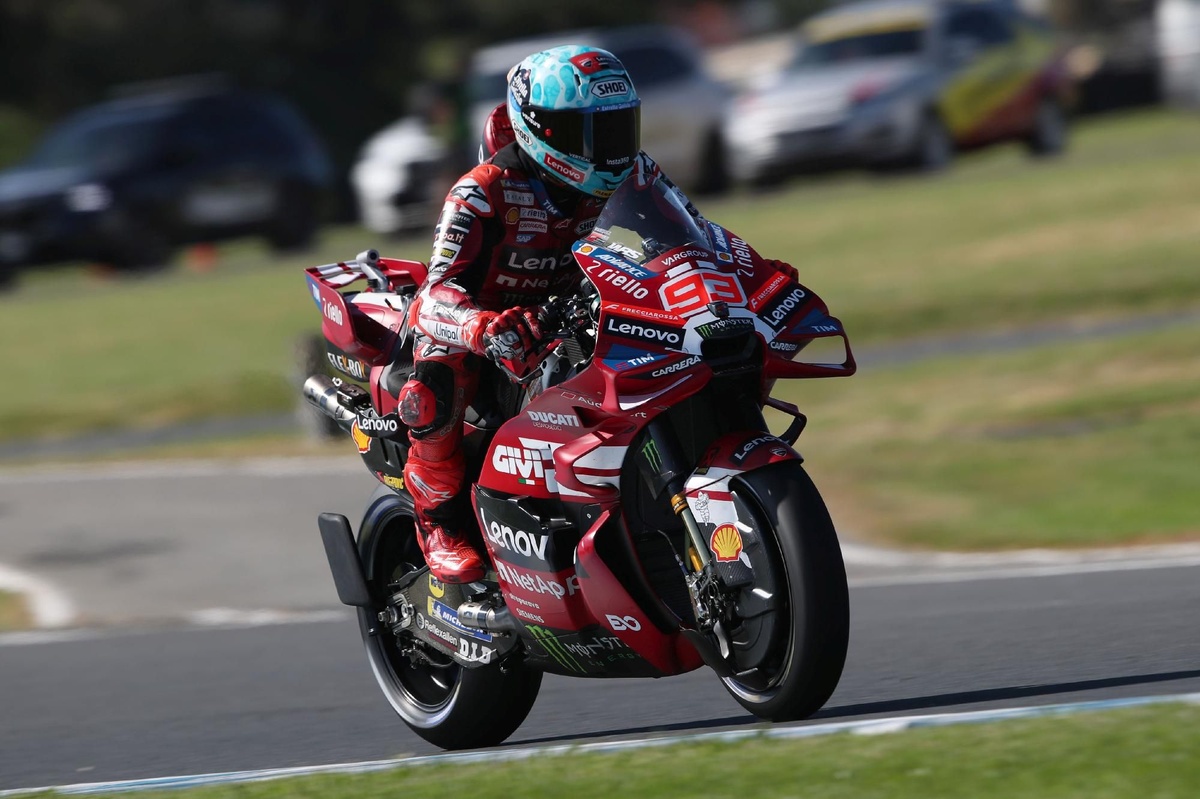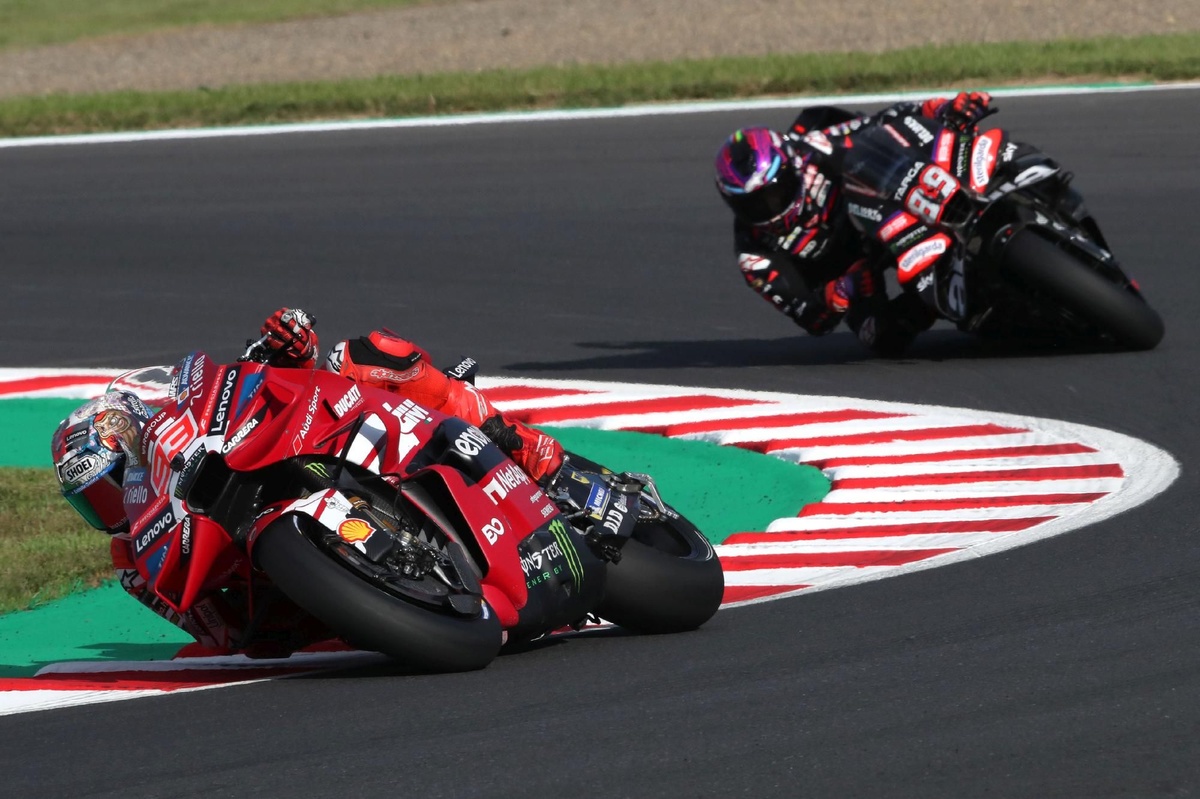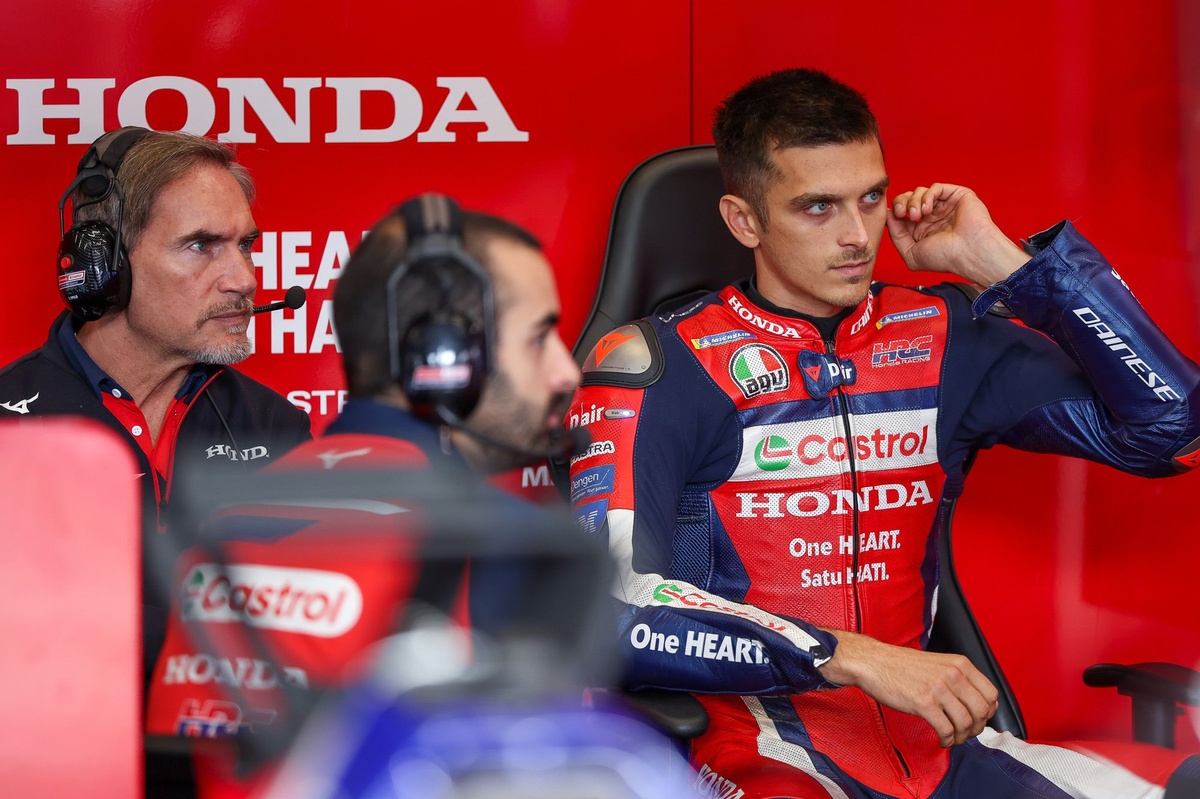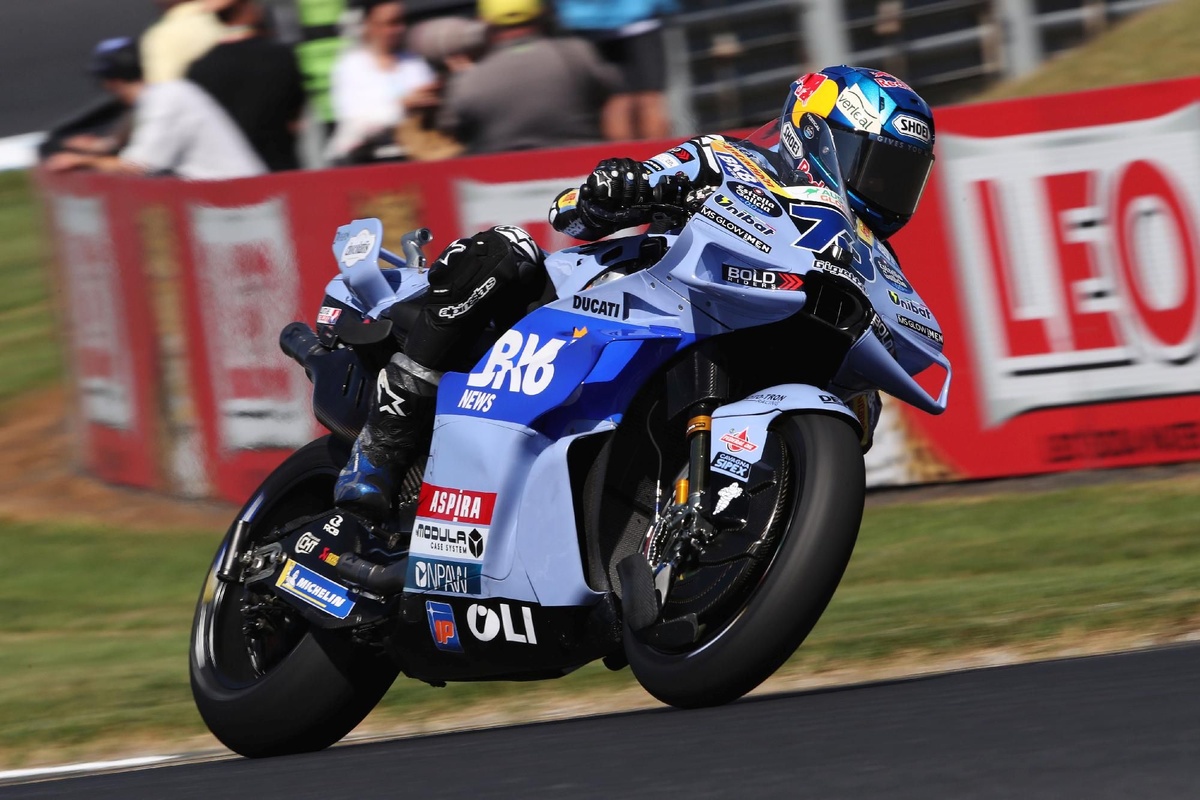
The MotoGP Japanese Grand Prix at Motegi delivered more than just thrilling racing; it unveiled a stark, unforgiving lesson about prejudice, performance, and the perils of collective caution. Riders and teams collectively ignored a crucial Michelin tyre compound all weekend, only for it to become the undeniable race-winning choice on Sunday. This wasn't just a technical oversight; it was a psychological block that cost valuable track time and potentially podium places.
Key Takeaways from Motegi's Tyre Saga:
- Teams and riders, influenced by past negative experiences, initially dismissed the Michelin hard rear tyre.
- A dramatic sprint race, seeing Jorge Martín and Pecco Bagnaia chew through softs, forced Michelin to ban its use for the main event.
- The despised hard tyre proved to be a "magic" compound, offering superior grip and durability on Motegi's new asphalt.
- The incident highlights the critical need for comprehensive tyre testing and independent judgment, regardless of preconceptions.
The Unspoken Truth: A Pre-Race Tyre Taboo
The atmosphere before the Japanese Grand Prix was thick with apprehension regarding Michelin's tyre allocation. Specifically, the "hard" compound, which uniquely featured a stiffer carcass but surprisingly shared the same rubber composition as the soft option, drew immediate skepticism. This wasn't a blind guess; riders had recent nightmares.
Miller's Warning and Collective Misjudgment
Jack Miller, a rider known for his candid assessments, minced no words. His blunt declaration that the hard compound was "not an option" resonated throughout the paddock. Memories of a brutal weekend in Austria with similar "stiff carcass" tyres were fresh, leading to an almost unanimous decision to sideline the seemingly risky option.
Teams completely bypassed testing this hard compound on Motegi's perfectly resurfaced track. Despite the new asphalt's promising grip and abrasive qualities, the collective mindset refused to consider an alternative to the softer, more familiar options. It was a costly gamble they didn't even know they were taking.
From Crisis to Revelation: Motegi's Turning Point
The dramatic events of Saturday's sprint race provided an unexpected, and painful, clarity. What had started as a cautious avoidance quickly escalated into a full-blown crisis, forcing a radical strategic pivot.
Sprint Havoc Forces a Strategic Shift
As the MotoGP sprint concluded, multiple riders, including championship frontrunners Jorge Martín and Pecco Bagnaia, found their soft rear tyres utterly shredded. This alarming wear rate prompted an urgent meeting. Michelin swiftly made the unprecedented decision to ban the soft rear tyre for Sunday's main race. Crucially, they extended the warm-up session to 20 minutes, giving teams a rare window to finally test the ostracized hard compound.
The 'Magic' Compound Nobody Wanted
What unfolded in the extended warm-up session was nothing short of a revelation. The very tyre compound that had been universally dismissed as unusable suddenly became the star of the show. Riders discovered its exceptional performance characteristics, handling Motegi's abrasive new surface with surprising resilience and offering superior grip throughout longer runs.
The shift was instant and dramatic. By the time the grid formed for the main event, every single team had opted for the medium front and the once-maligned hard rear tyre combination. It was a unanimous acknowledgment of a profound misjudgment.
Performance Proof and Lingering Regrets
The main race itself became a testament to the hard tyre's unexpected prowess, leaving many riders kicking themselves for their initial skepticism. The numbers spoke volumes, highlighting both the tyre's capability and the improved track conditions.
Lap Times Don't Lie: A Record-Breaking Ride
Marc Marquez, powering to victory, clocked a race time 37 seconds faster than Bagnaia's previous year's winning time. This incredible improvement underscored the symbiotic relationship between the newly resurfaced Motegi circuit and the surprisingly effective hard compound. Furthermore, Enea Bastianini showcased the tyre's durability by setting four consecutive fastest laps in the closing stages. The hard tyre was not just an option; it was a performance enhancer.
Who's to Blame? Riders and Michelin Square Off
The aftermath saw a mix of contrition and finger-pointing. Pecco Bagnaia, despite finishing eighth, took responsibility: "It is the riders' fault that we didn't try that tyre. We got it wrong by not considering that the new asphalt, combined with the soft compound [of the ‘hard’ tyre with the stiffer carcass], could be a valid option." Alex Marquez echoed this, admitting, "you always hope somebody else will try it first." Alex Rins cited "lack of time" during practice as a barrier to experimentation.
However, not everyone accepted collective blame. Luca Marini squarely pointed at Michelin, arguing that past experiences with similar "stiff carcass" tyres at other tracks had consistently shown them to perform worse. He stated, "Then, miraculously, we put it on in the warm-up and it turned out to be magic. I think that's something Michelin needs to understand."
Piero Taramasso, Michelin's MotoGP boss, acknowledged the teams' reluctance due to time constraints, but ultimately concluded, "It was clear that they got it wrong, and it is a good lesson for the races to come."
A Priceless Lesson for the Season Ahead
The Motegi tyre drama serves as a potent reminder for the entire MotoGP paddock. Preconceptions, even those born from valid past experiences, can blind teams to potential advantages. In a sport where fractions of a second decide victory, every option, no matter how unconventional, deserves thorough investigation. This "magic" hard tyre, initially ignored, has delivered a hard-won lesson: experiment early, trust data over dogma, and never assume you know everything about the rubber beneath you. The consequences of not doing so are simply too high.