

MotoGP’s revised weekend format for the 2027 season has sparked mixed reactions among riders, with some backing the changes as a way to improve the sport while others fear they could increase pressure and safety risks.
The new format, confirmed ahead of the Indonesian Grand Prix, will introduce a separate qualifying session for Saturday’s sprint race. It will also remove the traditional Sunday morning warm-up, marking another significant change to the championship’s weekend schedule.
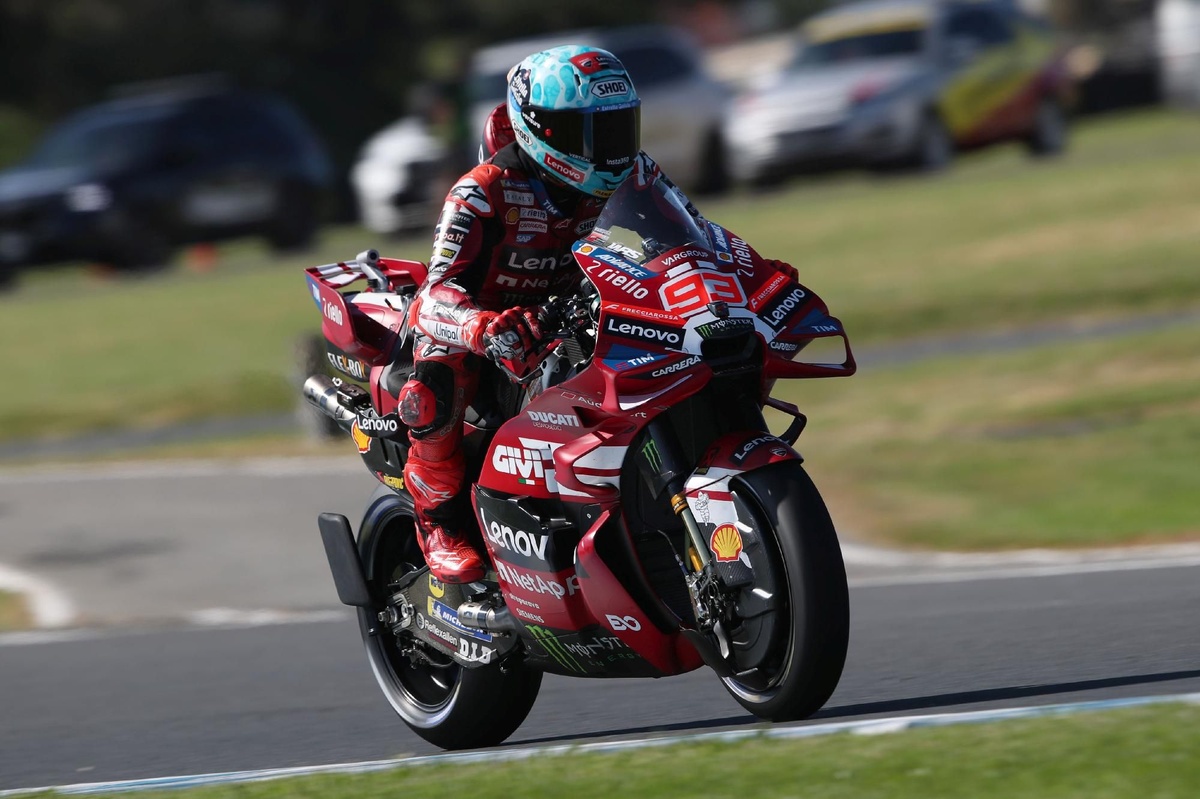
Francesco Bagnaia is among those who support the revised format, although the Ducati rider believes the warm-up session should remain.
“I like it. I think it is good,” Bagnaia said, describing the changes as an improvement. However, he stressed that riders still need time to prepare for the main race, particularly if they encounter problems or crash during Saturday’s sprint.
He also pointed out that the introduction of new motorcycles and tyres in 2027 will make preparation even more important, as teams will have less time on track to understand their equipment.
Bagnaia added that riders had long called for separate qualifying sessions for the sprint and Grand Prix, as the current system uses a single qualifying session to determine the starting grids for both races.
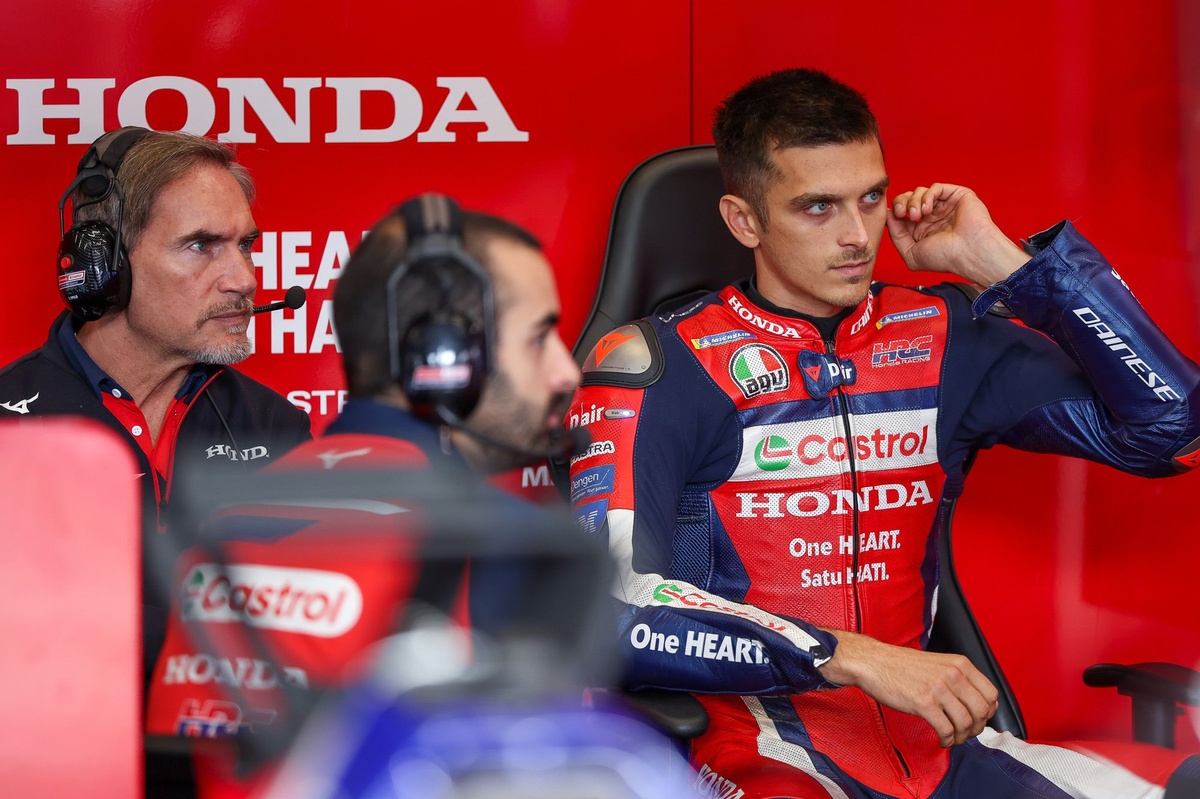
Honda rider Luca Marini also welcomed the changes, believing they could help MotoGP attract a wider audience and strengthen the championship's overall appeal.
However, not everyone shares that optimism.
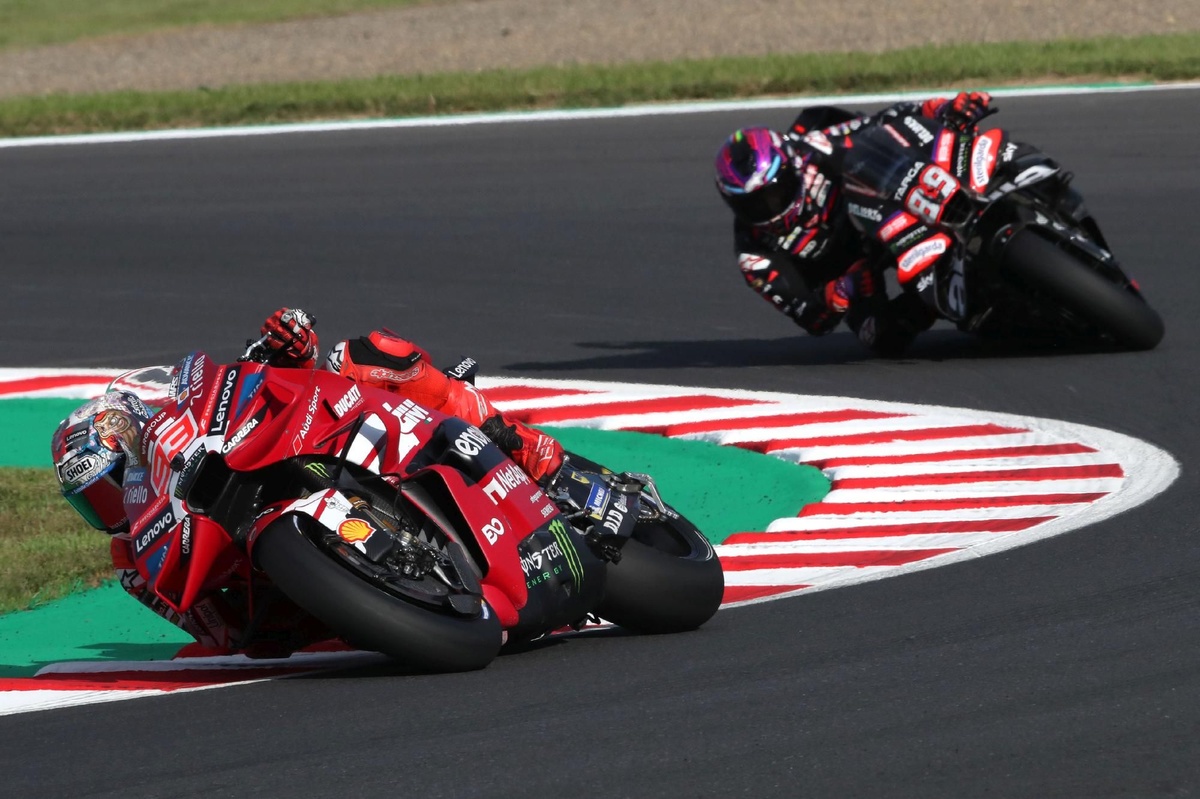
KTM rider Pedro Acosta strongly criticised the new format, arguing that MotoGP is already demanding too much from its riders. He questioned the decision to put all 22 riders into a 15-minute qualifying session, warning that the limited time could encourage aggressive riding and increase the risk of incidents.
Acosta was also concerned about removing the Sunday warm-up, especially for riders who suffer crashes or technical problems during the sprint. Without the session, they could have fewer opportunities to check their motorcycles and prepare before the main race.

Source: Sportrik
The Spaniard further questioned whether riders had been given enough input before the changes were approved, arguing that their safety and working conditions should be considered more carefully.
He also suggested reducing the number of sprint races from 22 to 11 per season, saying some circuits produce less exciting sprint action than others. In his view, reducing the number of these races would help ease the workload and give riders more time to recover.
Gresini Ducati rider Alex Marquez shared similar concerns, claiming that the decision had largely been made between MotoGP management and the teams, with riders having little influence over the outcome.
He argued that the growing number of races, sprint events and qualifying sessions was adding more high-risk moments to an already demanding calendar.
Fabio Quartararo also questioned whether the revised schedule would provide enough practice time ahead of the introduction of the new 850cc motorcycles and Pirelli tyres in 2027. While he was not particularly concerned about the removal of the warm-up, he believes teams will need sufficient time to understand their new equipment.
Under the revised schedule, Friday will feature a 45-minute first practice session, a 30-minute second practice session and a new 15-minute sprint qualifying session. Saturday will begin with 20 minutes of practice before Q1 and Q2 determine the grid for Sunday's Grand Prix. The sprint grid will be decided by Friday's qualifying session.
Sunday's warm-up will be replaced by a 10-minute pit-lane opening, allowing riders to complete sighting laps before heading to the grid.
The changes are intended to improve the weekend structure while reducing overall track time, a priority for manufacturers preparing for the new technical regulations.
With opinions divided across the paddock, MotoGP's 2027 format is set to introduce a new challenge for riders and teams. While supporters see an opportunity to improve the spectacle, critics believe the championship must ensure that the pursuit of entertainment does not come at the expense of rider safety and recovery.