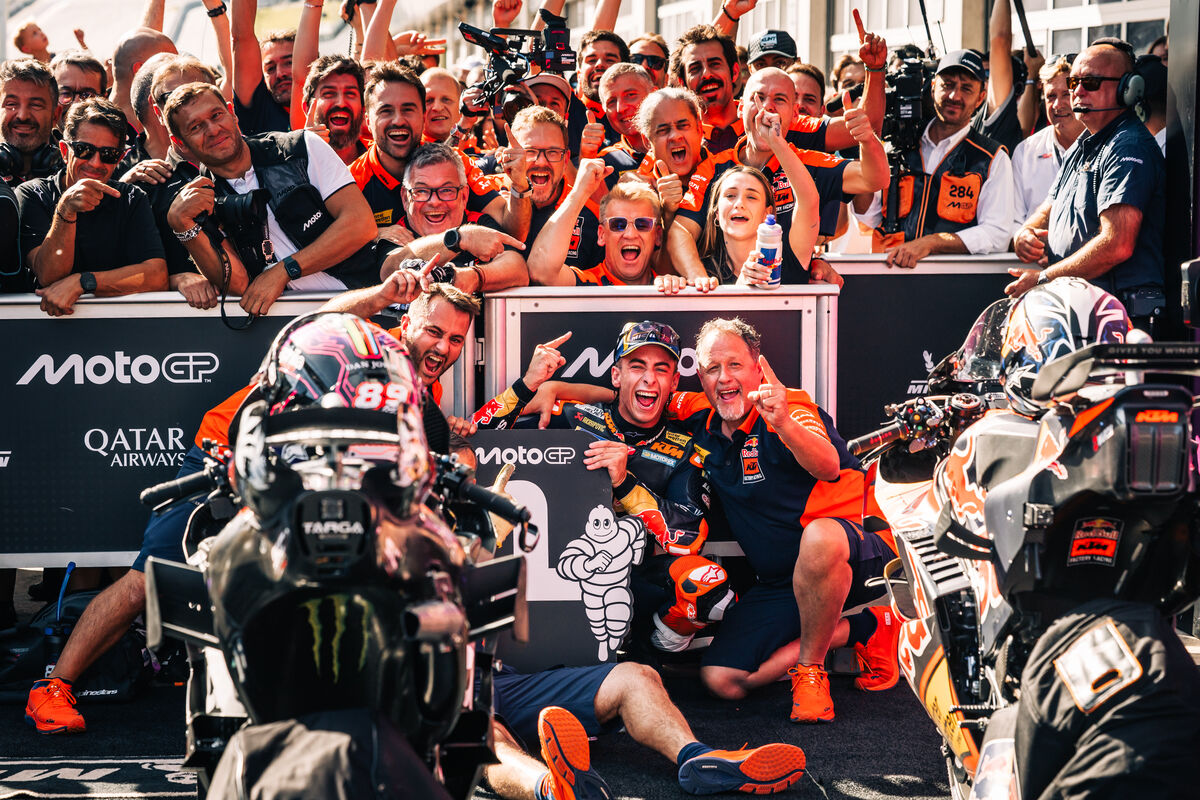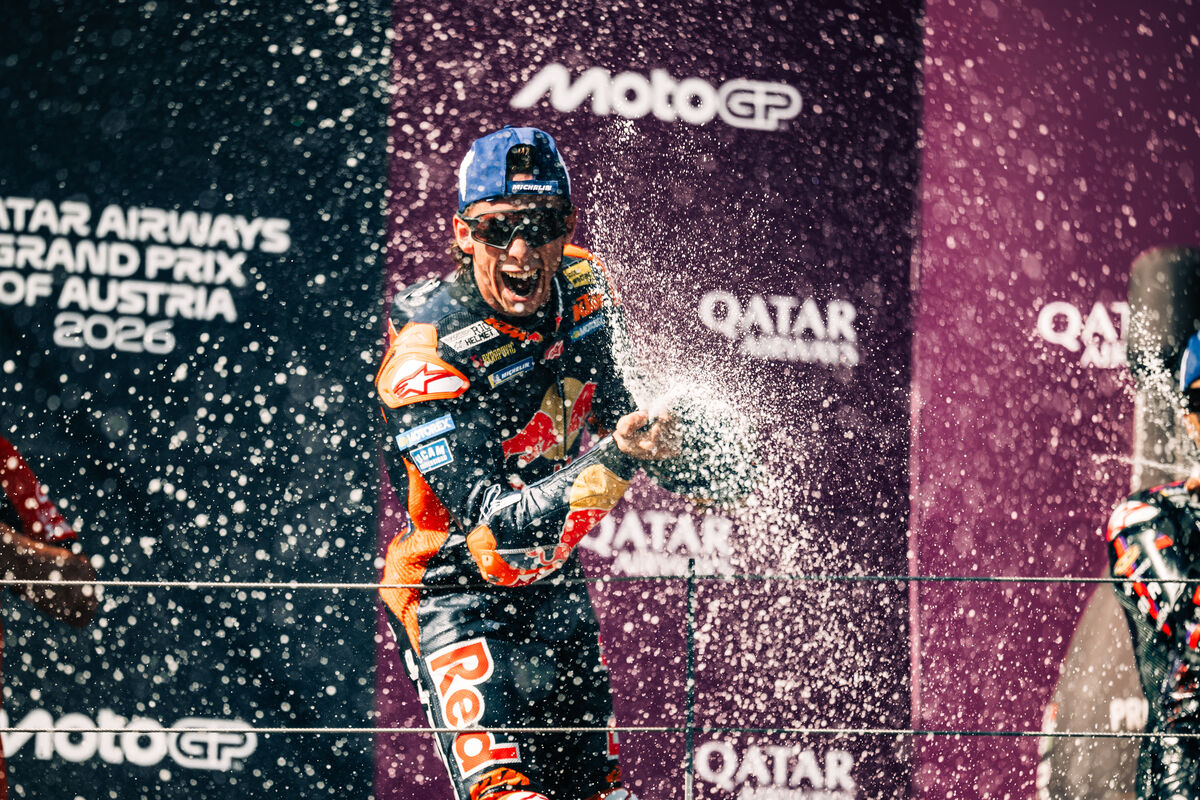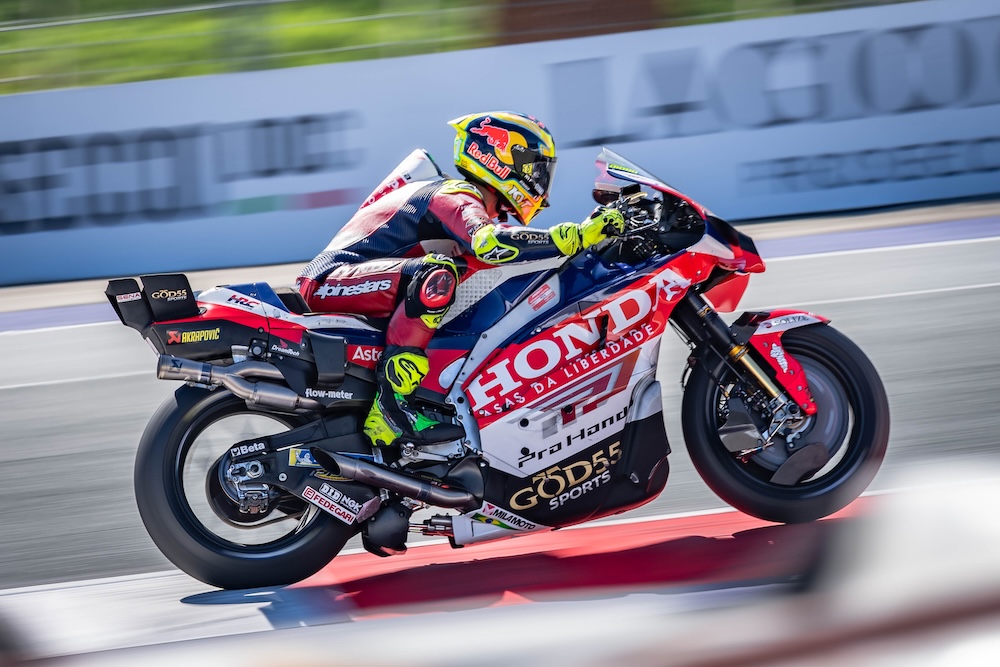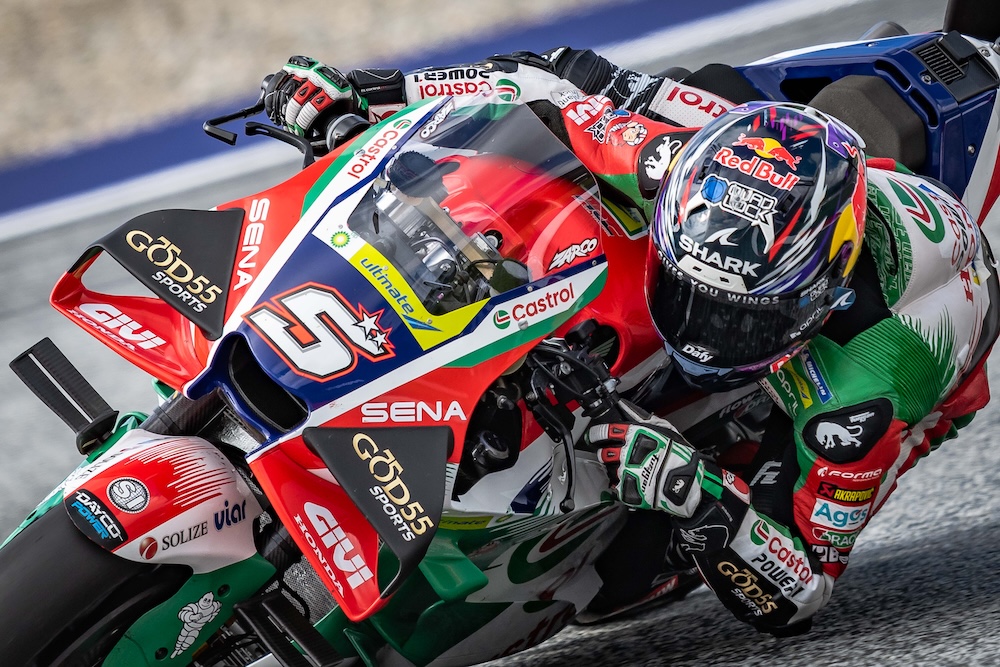

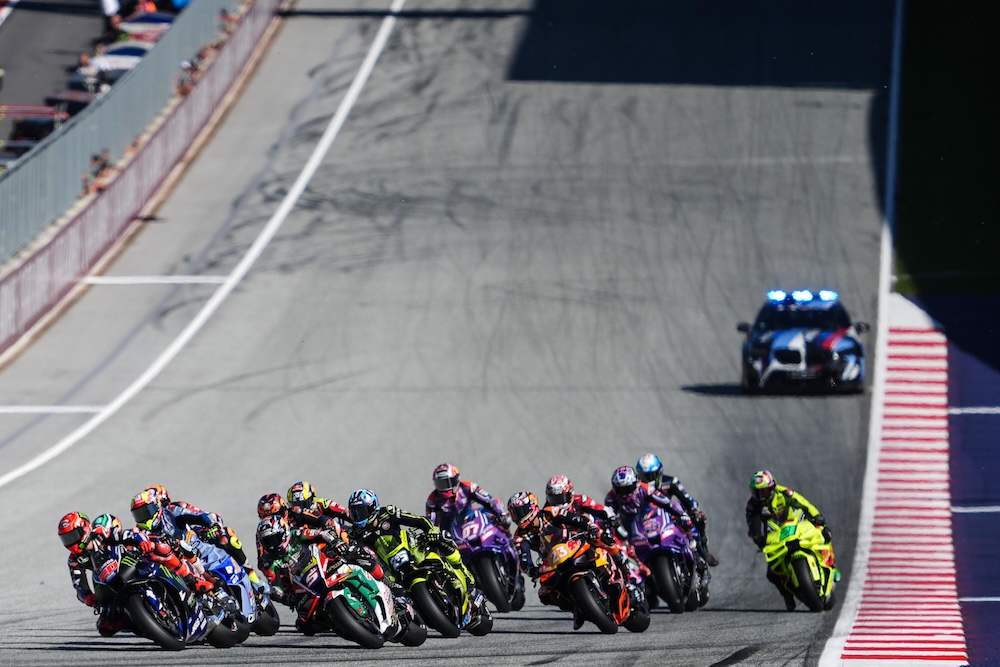

Pedro Acosta delivered a landmark performance at the Austrian Grand Prix, securing his first MotoGP victory and helping KTM return to the top step of the podium at the Red Bull Ring.
The Spaniard's breakthrough came after a challenging start to the weekend, which included a crash while leading Saturday's sprint and another fall during Sunday's warm-up. Despite those setbacks, Acosta remained composed when it mattered, overtaking Jorge Martin on Lap 9 and controlling the race to the chequered flag.
The victory was particularly significant for KTM, which had struggled for much of the previous 18 months. With Ducati and Aprilia dominating many of the dry-weather races, Acosta's result offered a welcome turnaround for the Austrian manufacturer.
The 22-year-old's progress had already become evident in recent rounds, with stronger performances at Silverstone, Aragon and Misano. His Austrian victory now provides further momentum as KTM continues to address its technical difficulties. It also comes ahead of Acosta's planned move to Ducati in 2027.
While Acosta celebrated a career milestone, Jorge Martin enjoyed a productive weekend of his own. The Aprilia rider secured pole position and recovered from a difficult opening lap in Saturday's sprint to claim victory. He continued to challenge for the lead in Sunday's Grand Prix, but ultimately had to settle for second behind Acosta.
The result strengthened Martin's championship position over Marc Marquez, who finished fifth. Aprilia's strong showing also helped the manufacturer regain the lead in the riders' and manufacturers' standings, adding further importance to a weekend in which Ducati struggled to match its usual pace.
Ducati's difficulties were particularly noticeable at a circuit where the manufacturer has traditionally performed well. The team struggled to find speed in both qualifying and race conditions, with the stiffer rear tyre specification supplied by Michelin identified as a possible contributing factor.

Source: Yahoo Sports
Francesco Bagnaia offered some encouragement after Ducati introduced overnight setup changes that improved his feeling with the bike. The Italian progressed through Q1 and qualified sixth, but brake issues affected his Grand Prix performance. He finished eighth before being promoted to seventh following Fermin Aldeguer's penalty.
Marc Marquez also endured a challenging race, while Ducati's wider struggles highlighted the difficulties the manufacturer faced in adapting to the conditions at Spielberg.
For Alex Marquez, the Austrian Grand Prix proved especially frustrating. The Gresini rider crashed on all three days of the event, beginning with a heavy fall during Friday practice that triggered a red flag.
After another crash in qualifying, Marquez started sixth in the sprint and Grand Prix. However, his race was compromised by a poor opening lap, which saw him drop to 14th. His recovery attempt ended on Lap 13 when he lost the front of his bike while chasing Raul Fernandez.
The result was a sharp contrast to his podium finish the previous week and underlined how quickly fortunes can change in MotoGP.
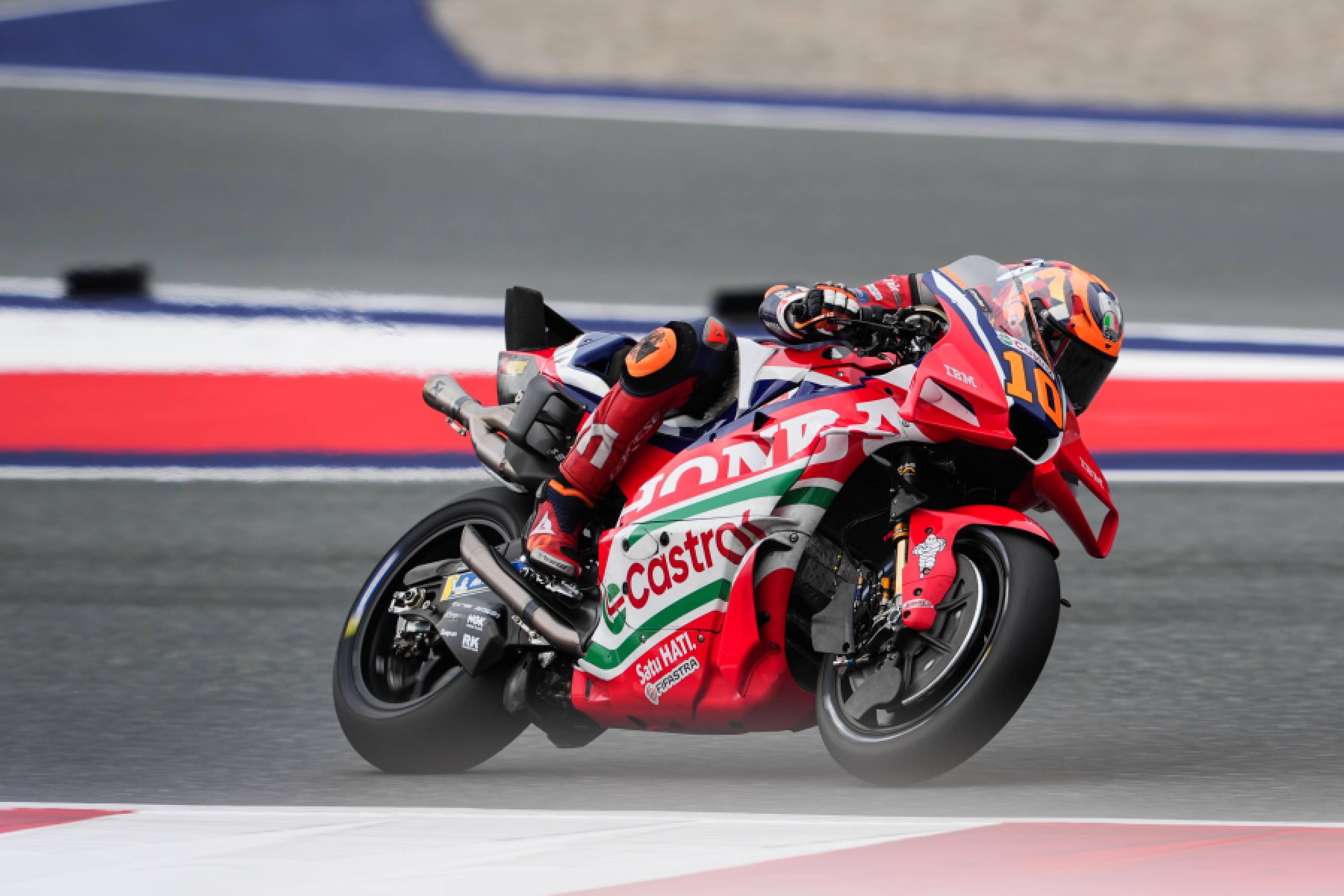
Fernandez also experienced another difficult weekend, with rear tyre issues continuing to limit his performance. The Trackhouse rider failed to reach Q2 for the first time since Austin in March and started 13th in both races.
A double long-lap penalty for a jump start further complicated his sprint, while Sunday's race saw him struggle to overtake despite making some improvements. He eventually finished 12th, around 20 seconds behind Acosta.
The Austrian Grand Prix ultimately delivered a weekend of contrasting fortunes. Acosta and KTM celebrated a breakthrough victory, Martin gained valuable championship momentum, and Ducati was left searching for answers.
As the season moves towards its Asian rounds, the shifting balance of performance adds another layer of intrigue to the MotoGP title fight.