

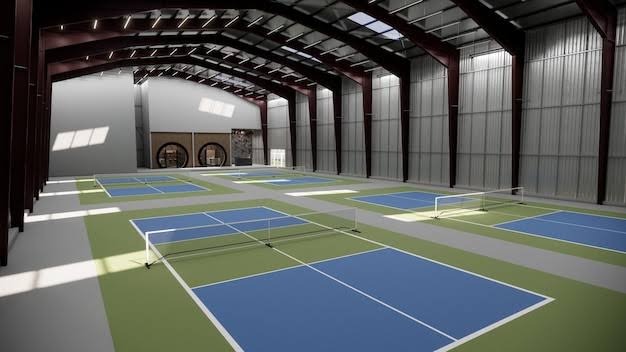

Pickleball is emerging as an unexpected competitor to logistics firms for industrial space in Metro Manila. According to a Bilyonaryo report, property consultancy Prime Philippines says the sport’s rapid expansion across the country is helping drive warehouse lease rates up by 11.84%.
Key Takeaways:
- Pickleball operators generated a staggering 62,000 square metres of industrial space requirements in Metro Manila this year.
- This new demand has significantly boosted industrial occupancy from 80 percent to 85 percent.
- Sports facilities are outbidding logistics firms, willing to pay higher lease rates due to lower operating costs.
- Metro Manila industrial lease rates have surged nearly 12 percent, far outpacing the wider Luzon region.
The Unstoppable Rise of Pickleball in the Philippines
The appetite for pickleball courts, alongside tennis and badminton facilities, has created a fresh wave of demand. Between January and August alone, recreational operators in Metro Manila sought roughly 62,000 square metres of space.
According to Joy Rosario, executive vice president of Prime Philippines’ industrial solutions department, this surge has been a game-changer, propelling the capital's industrial occupancy from 80 percent to an impressive 85 percent.
Why Pickleball Is Outplaying Logistics for Prime Space
A Winning Financial Play
The reason for this dramatic shift is simple economics. Pickleball operators possess a significant competitive advantage: they can afford to pay more for property. Unlike logistics companies, which must factor in substantial transport and operational costs, sports facilities have fewer overheads directly tied to their physical location. This allows them to allocate a larger portion of their budget to lease rates, directly influencing Metro Manila’s pricing structure.
The Perfect Fit: Warehouses as Courts
What these operators need isn't small. A typical pickleball facility demands around 2,500 square metres, with requirements varying from 1,500 to 4,000 square metres. Many also incorporate mezzanine lounges and coffee shops, adding another 250 to 300 square metres. Critically, warehouses offer the ideal solution: wide, uninterrupted floor space and high ceilings perfectly suited for multiple courts.
Metro Manila Leads the Charge in Industrial Rent Hikes
For property owners, this new breed of tenant is a welcome development. It provides alternative options when warehouse leases come up for renewal, often enabling landlords to command higher rents. Rosario highlights one property in Parañaque where the asking price has jumped by approximately 18 percent, from ₱380 to ₱450 per square metre, in just one year. This growth far outstrips the wider Luzon industrial market, which saw lease rates rise by a gentler 4 percent annually, underscoring Metro Manila's position at the forefront of this trend.
A New Era for Industrial Property Owners
This doesn't mean logistics firms are out of the game entirely. They remain a crucial source of demand, particularly for strategically located warehouses near ports and facilities equipped with efficient loading bays. However, they are now navigating a fiercely competitive landscape, vying for space against a new, well-funded rival that arrives with paddles, coffee machines, and a clear willingness to invest. Pickleball is no longer a niche activity; it has cemented its place as a significant economic force, reshaping the very fabric of Metro Manila's industrial real estate.