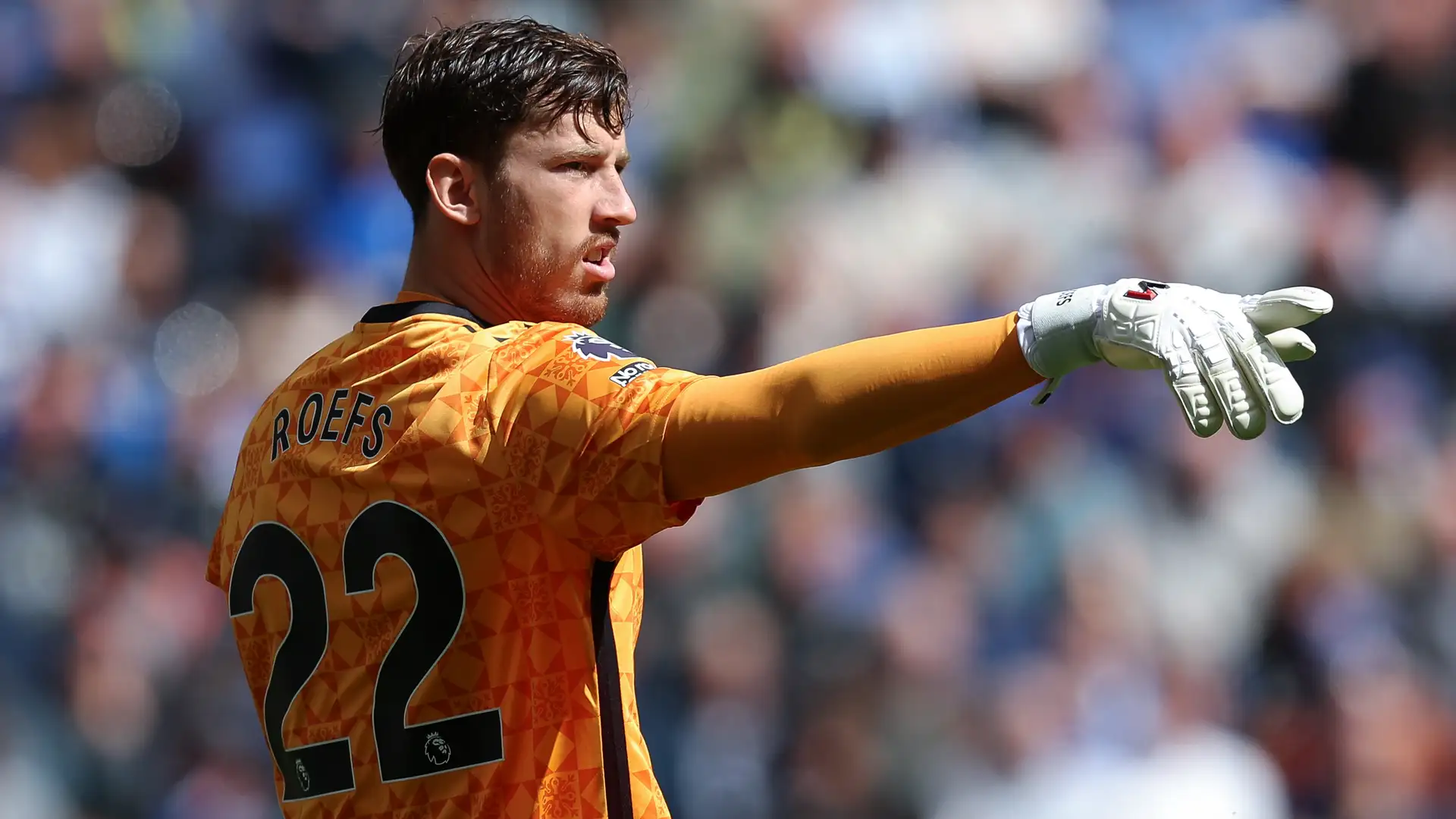
The football world watches with bated breath as
Rafa Mir, the prolific striker on loan at
Elche from
Sevilla, mounts an impassioned defense against grave sexual assault allegations, refusing to let the shadows of a closed-door trial obscure his fight for justice.
Key Points in Rafa Mir's Defense:
- Rafa Mir faces serious sexual assault charges, with prosecutors seeking a 10-year prison sentence.
- His legal team asserts consensual interactions, attributing subsequent conflict to a personal dispute.
- The Elche striker is demanding a public trial, arguing against closed-door proceedings for transparency.
- Defense highlights initial police reports that allegedly lacked references to sexual assault crimes.
Rafa Mir Fights for His Name: A Demand for Open Justice
Rafa Mir stands at a critical juncture in his career. The
Elche forward, on loan from
Sevilla, is embroiled in a high-stakes legal battle, vehemently denying charges of sexual assault. The Public Prosecutor's Office in Spain has formally requested a combined sentence of
10 years and six months, a potential career-ending blow for the
La Liga talent.
His defense team has presented an alternative account, asserting that any interactions were consensual. They contend that the subsequent intervention by private security and local police stemmed from a personal disagreement between the two women involved, rather than any criminal act by the player.
The Defense's Counter-Narrative
Mir's representatives argue that the entire premise of the prosecution's case is flawed. They believe that what transpired was a series of consensual sexual interactions, which later escalated due to a personal dispute between the individuals. This dispute, they claim, was the actual reason for the authorities' involvement, not any alleged criminal misconduct by the
Elche striker.
Transparency or Secrecy? The Public Trial Battle
A cornerstone of
Rafa Mir's legal strategy is an unwavering insistence on a public trial. The player's defense has formally opposed the prosecution's request for closed-door sessions, arguing there is no legitimate legal justification for such secrecy. This move underscores their belief that public scrutiny is paramount for a fair assessment of all evidence and testimonies.
They emphasize that