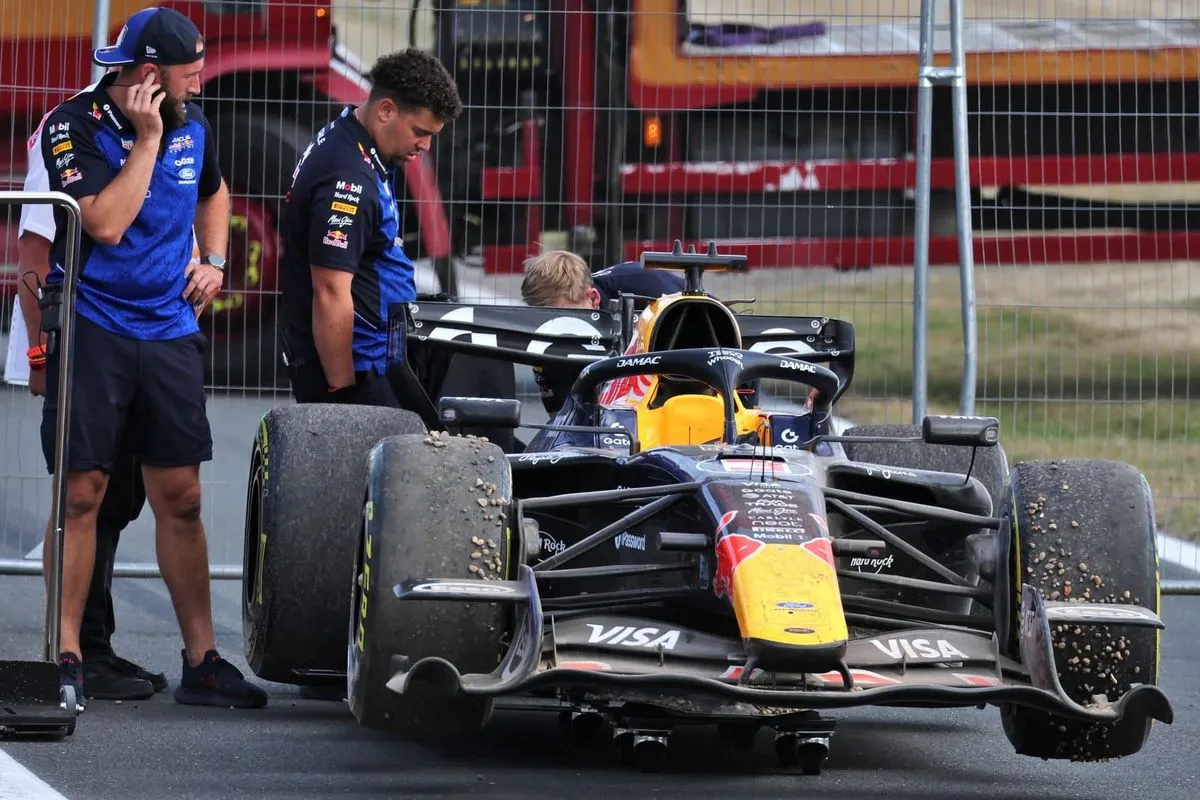

Red Bull has confirmed it will abandon its experimental rotating rear wing for this weekend's Belgian Grand Prix, following two alarming incidents involving Max Verstappen over the last two race weekends.
Key Highlights
- Red Bull will revert to its previous rear wing specification for the Belgian Grand Prix.
- Max Verstappen linked his crashes in Austria and Silverstone to the experimental rotating rear wing.
- The innovative wing was introduced at the Miami Grand Prix as part of preparations for Formula 1's 2026 regulations.
- Verstappen says the upgraded wing will only return once it is fully ready and safe to race.
Red Bull Reverts to Previous Rear Wing at Belgian Grand Prix
The decision comes after the reigning four-time Formula 1 world champion suffered a heavy qualifying crash at the Austrian Grand Prix before crashing out during the British Grand Prix at Silverstone. Both accidents occurred at high speed, prompting serious concerns about the reliability of the new aerodynamic component.
Verstappen Blames Rear Wing for Austria and Silverstone Crashes
Following his Silverstone retirement, Verstappen revealed that both incidents stemmed from the same technical problem. According to the Dutch driver, the rotating rear wing failed to fully return to its closed position at the end of the straights, leaving the car with significantly less rear downforce just before corner entry.
"When it happens one time, faults happen. Two times, it's getting very dangerous for me because you can really hurt yourself at these high-speed corners," Verstappen said after the British Grand Prix.
Speaking ahead of the Belgian Grand Prix at Spa-Francorchamps, Verstappen acknowledged Red Bull's decision to return to the older specification. "I think it's quite obvious why. We'll go back on the old one and see whenever the latest or the new one is ready again to be used for us."
Why Red Bull Introduced the Rotating Rear Wing
Red Bull first debuted the innovative rear wing package at the Miami Grand Prix in May, following Ferrari's introduction of a similar concept earlier in the season. The new design allows the rear wing element to rotate by more than 180 degrees during straight-line running, reducing aerodynamic drag and increasing top speed.
The technology forms part of Formula 1's wider aerodynamic development ahead of the sport's major 2026 regulation changes. However, both of Verstappen's recent crashes occurred at the exact moment the wing transitioned back to its high-downforce position before corner entry, raising questions about the system's consistency under racing conditions.
Focus Shifts to Spa as Red Bull Prioritises Reliability
With the Belgian Grand Prix taking place at the fast and demanding Spa-Francorchamps circuit, Red Bull has opted for reliability over experimentation by returning to its conventional rear wing. The team is expected to continue developing the upgraded design before reintroducing it later in the season, once confidence in its performance and safety has been restored.
For Verstappen and Red Bull fans, the priority this weekend is simple: eliminate unnecessary risks, regain confidence, and get back to fighting at the front. Meanwhile, speculation over Verstappen's long-term future at Red Bull continues, although the Dutchman remains under contract through the end of the 2028 season, with reports suggesting an exit clause could become relevant after this year.