

The roar of dominance has been replaced by a whisper of concern in the Red Bull Racing garage as the 2026 Formula 1 season unfolds. Once the undisputed kings of the tarmac, the Milton Keynes squad is now grappling with an unprecedented fall from grace, finding themselves a full second adrift of the front-running Mercedes.
Key Takeaways from Red Bull's F1 2026 Start
- Red Bull Racing faces a stark new reality in F1 2026, struggling to match rival pace.
- Mercedes has seized early season dominance, leaving Red Bull a significant one second behind.
- The primary challenge lies with the RB22 chassis's performance, not the new Ford-collaborated power unit.
- Team Principal Laurent Mekies acknowledges the deep struggles but retains faith in the team's ability to recover.
From Apex Predators to Underdogs: Red Bull's Stunner
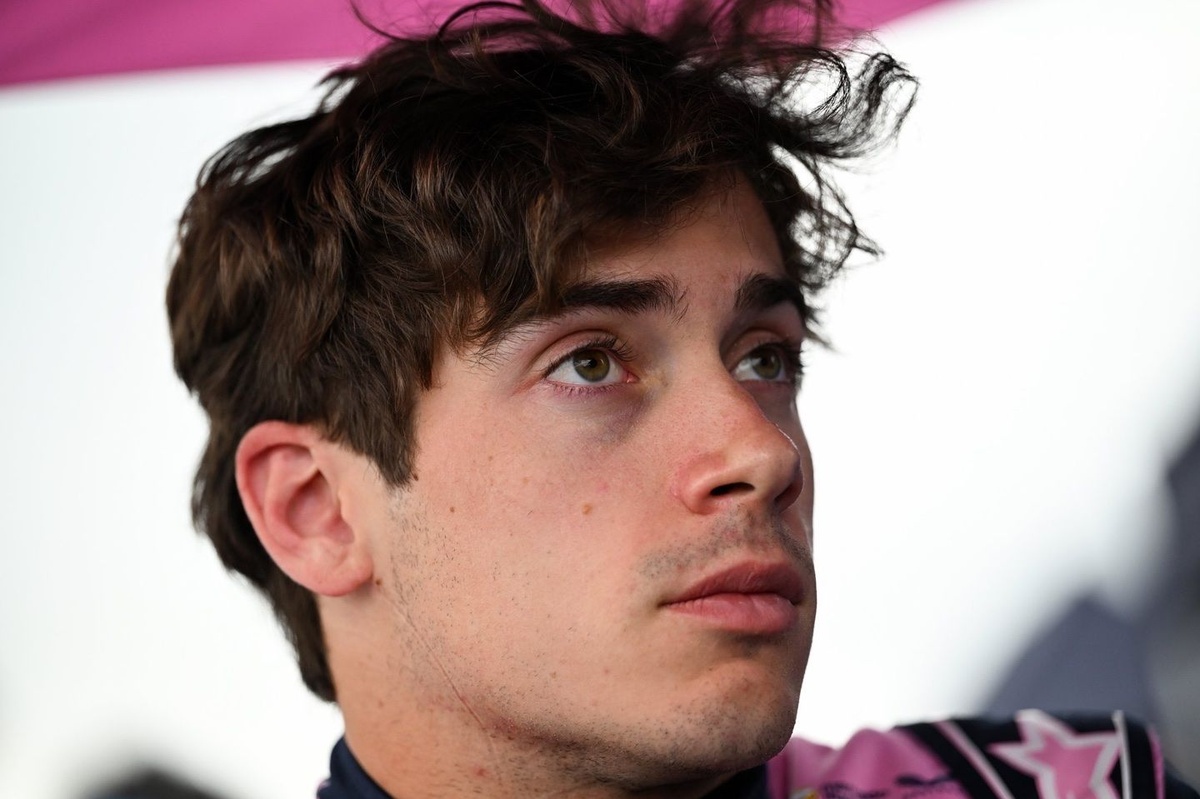
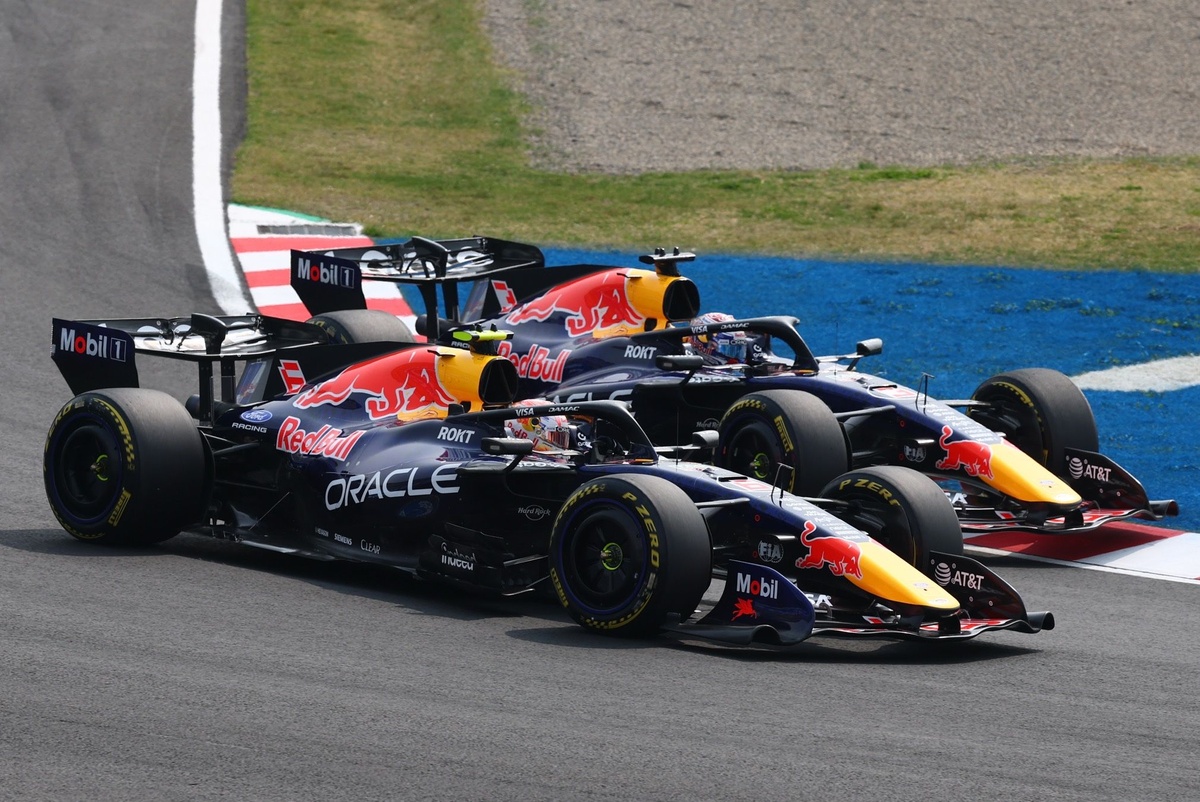
For years, Red Bull has dictated the pace in Formula 1, particularly excelling in the ground effects era and dominating from 2010-2013. Now, the powerhouse team is confronting a harsh new reality: they are no longer leading the charge. The Japanese Grand Prix saw a sobering eighth-place finish for Max Verstappen and a twelfth for Isack Hadjar, a stark contrast to their usual podium presence.
Team boss Laurent Mekies didn't mince words after the Suzuka race, stating, "There is nothing to be happy about today." He candidly admitted, "We are a distant force, that's the reality." This shift marks a significant challenge for a team accustomed to championship contention.
The Unforgiving Reality of the RB22
Power Unit Prowess, Chassis Calamity
Anticipation was high for Red Bull's new in-house power units, developed in partnership with US automotive giant Ford. Surprisingly, the power unit appears robust. The real culprit behind their struggles is the RB22 chassis, a machine the team is wrestling to comprehend.
New regulations for 2026 introduced lighter cars and a near-50:50 internal combustion-electric power split, a change Max Verstappen himself has voiced concerns about. While other teams seem to have adapted, Red Bull's engineers are scratching their heads.
Missing the Mid-Weekend Magic
In previous seasons, Red Bull was renowned for finding significant performance gains between Friday practice and Sunday's race. This crucial ability to unlock pace has vanished in 2026. Mekies attributes this to a combination of "underlying performance" issues and an inability to fully "extract enough from the package" for Verstappen and Hadjar to push.
This isn't just about minor setup tweaks; it's a fundamental struggle with the car's characteristics. "There is something we are wrestling with, with that car, that adds to our underlying lack of performance," Mekies explained, highlighting the depth of their engineering challenge.
Rivals Seizing the Moment
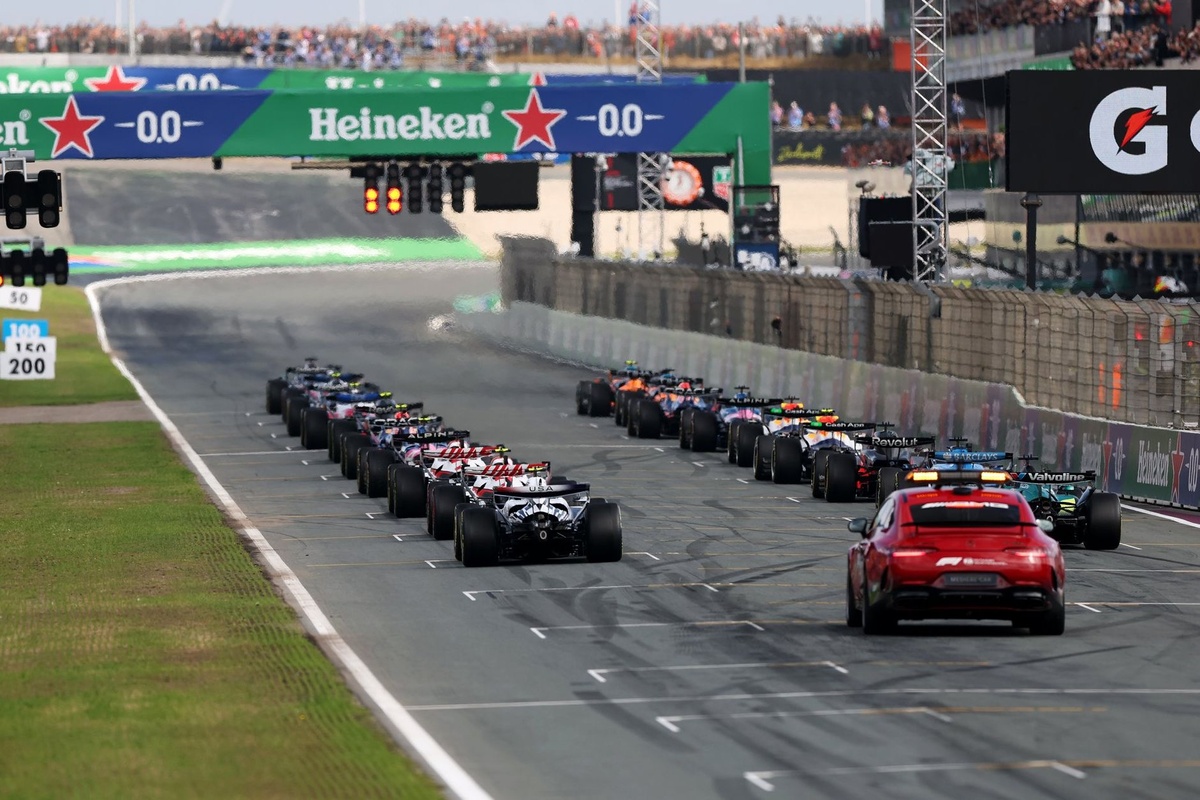
The gap to the frontrunners is alarming. Mercedes has dominated the season so far, clinching victories in Australia, China, and the Japanese Grand Prix. Red Bull's best results have been Verstappen's sixth in Melbourne and Hadjar's eighth in Shanghai, a far cry from their previous standards.
Mekies highlighted the growing chasm, noting, "We left Melbourne thinking that we were one second off Mercedes and half a second off, I guess... McLaren looked in reach there. Then, we see that gap largely increasing in China. And... here [in Japan], it also didn't look good at all." Even Ferrari and McLaren are now consistently outpacing them.
The Road Ahead: Can Red Bull Recalibrate?
Despite the significant setbacks, Laurent Mekies maintains "full confidence" in his team's capacity to orchestrate a turnaround. They've done it before, mounting a late championship charge after upgrades during a past Italian Grand Prix.
However, the path to recovery is riddled with obstacles. The recent cancellation of the Bahrain and Saudi Arabian Grands Prix has created a month-long break. While this offers time for analysis, Hadjar warned it's "definitely a bit of a disadvantage" by reducing valuable track time needed to understand the RB22 and test crucial upgrades. The Red Bull brain trust now faces their most complex engineering puzzle yet.