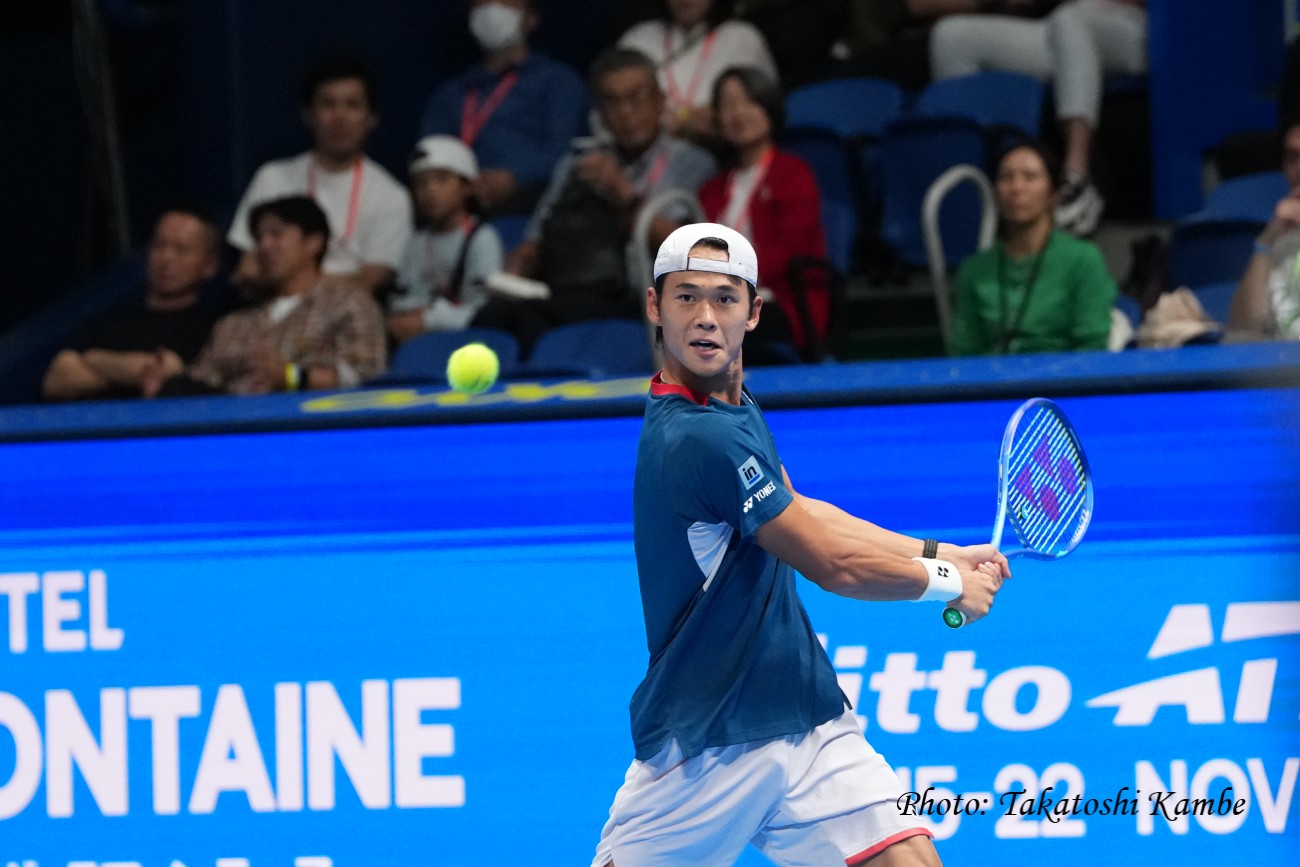

Japanese rising star Rei Sakamoto is enjoying a breakthrough run at the Rolex Shanghai Masters, with victories over Marco Trungelliti and Andrey Rublev highlighting his growing confidence on the ATP Tour. Behind his aggressive style and improving results is advice from his childhood idol, Kei Nishikori, whose influence continues to shape his development as a professional player.
When Sakamoto was just 16, Nishikori offered him a straightforward piece of advice: “Rip more balls!” The message encouraged the youngster to play with greater aggression and trust his ability to dictate rallies. Several years later, that mindset is becoming increasingly evident in Sakamoto’s game.
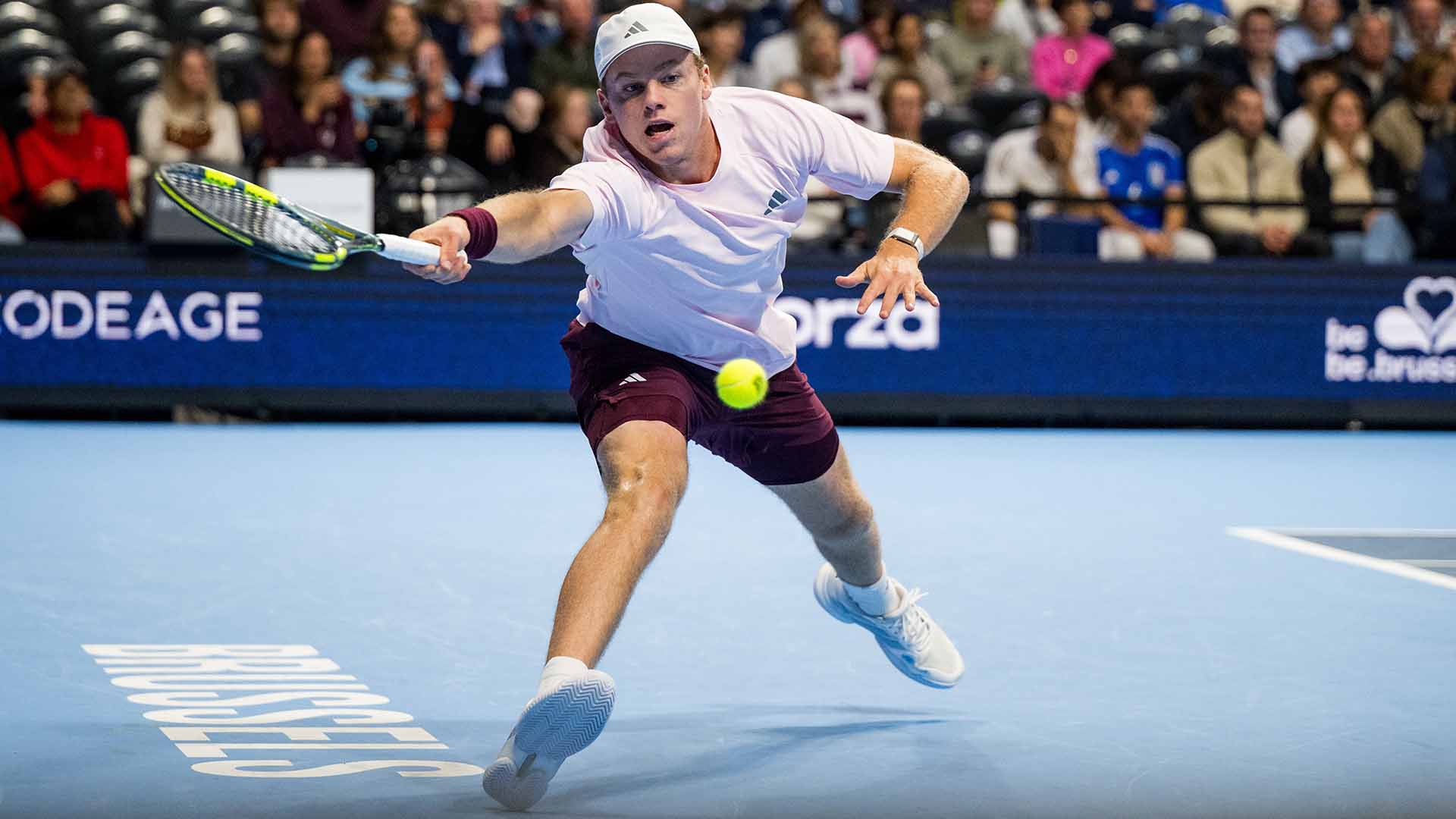
The Japanese teenager struck 56 winners across his first two main-draw matches in Shanghai, showing his willingness to take the initiative against more experienced opponents. His victory over Rublev, in particular, demonstrated the confidence he has developed as he continues to establish himself at the highest level.
Sakamoto has never hidden the importance of Nishikori’s influence, both on and off the court.
“He had the biggest effect on me as a tennis player and as a person,” Sakamoto said.
Beyond technical advice, Nishikori also influenced how the younger player approaches training and career development. His decision to move to IMG Academy in Florida to access a more demanding training environment left a lasting impression on Sakamoto, who also spent part of his junior career at the academy.
Sakamoto is now considering a move to Europe to further his development. Working with Italian coach Federico Ricci, he believes that exposing himself to a more challenging environment could help him take the next step in his career.
The partnership with Ricci, which began ahead of the 2025 season, has already brought significant changes to Sakamoto’s approach to the sport. Their work has extended beyond technique and tactics to include discipline in training, nutrition and sleep, helping him develop the habits required to compete consistently at professional level.
One of the biggest improvements has been his mentality during matches. Sakamoto admitted that he previously struggled to maintain his effort when matches became difficult, but he has since learned to fight through challenging situations rather than give up.
“I used to tank a lot of matches… Now I fight,” he said.
His commitment to training has also improved. Sakamoto estimated that around 60% of his practice sessions now meet his desired standard, compared with approximately 20% previously. The improvement reflects a more professional approach to preparing for competition, which is beginning to translate into stronger results.
The 2026 season has already marked several important milestones for the Japanese player. He recorded his first ATP Tour victory in Miami, qualified for both the Australian Open and US Open, and defeated Nishikori during US Open qualifying. He also earned a five-set main-draw victory over Aleksandar Vukic at Flushing Meadows, gaining valuable experience against established tour players.
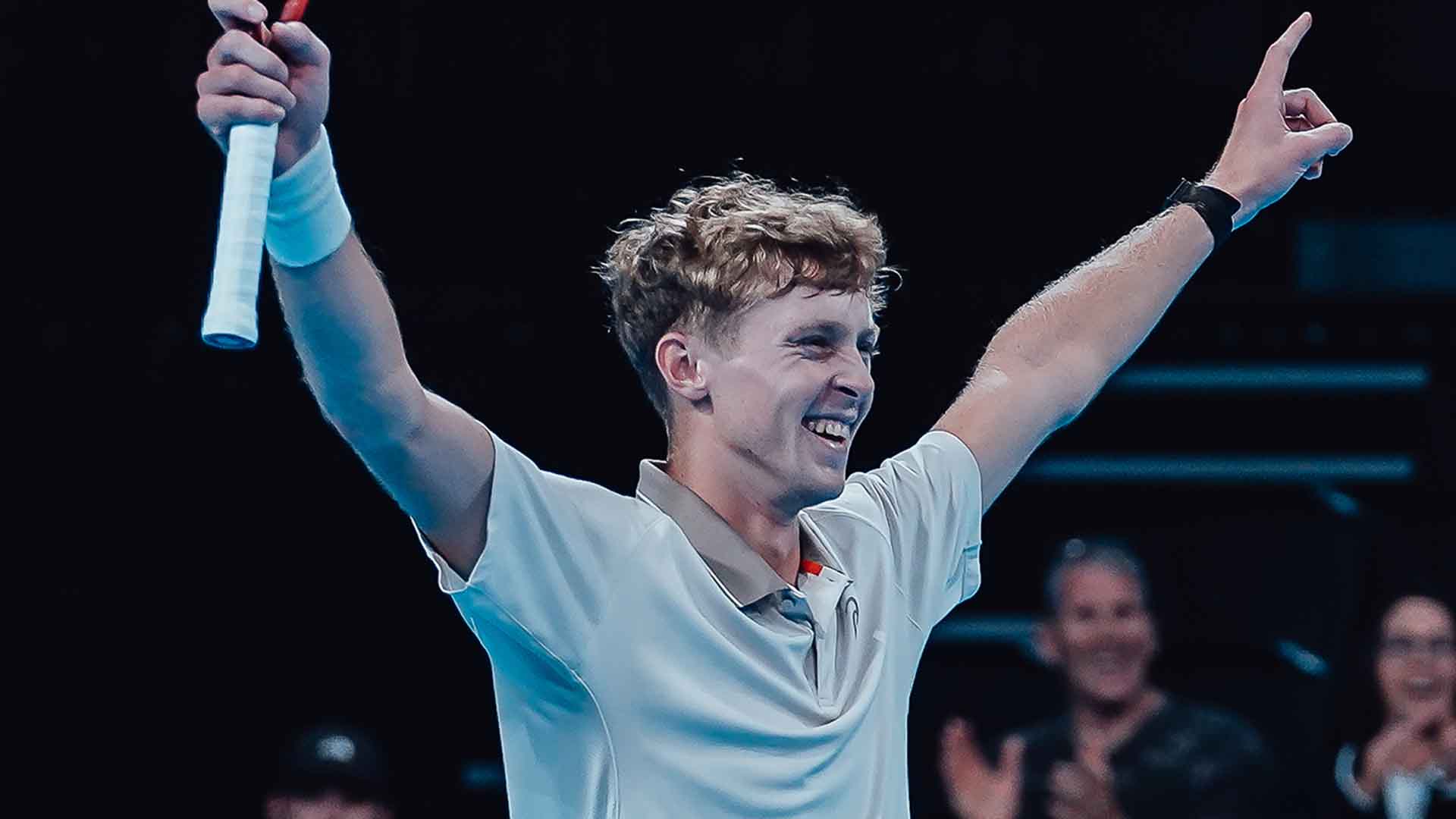
His progress has now accelerated further in Shanghai. Sakamoto has climbed 15 places to a career-high live ranking of World No. 122, bringing him closer to breaking into the ATP Top 100 for the first time.
He has also moved into fourth place in the PIF ATP Live Race to Reggio Calabria, strengthening his position in the race for the Next Gen ATP Finals, which features the leading players aged 20 and under.
Despite his impressive run, Sakamoto remains aware of how much work lies ahead.
“I felt that I am playing out of my mind this week,” he said, while recognising that the level he has produced is what top players must deliver consistently.
His next challenge in Shanghai is a first career meeting with World No. 9 Alex de Minaur. The Australian will provide another demanding test of Sakamoto’s aggressive game and growing mental resilience.
For now, Sakamoto’s progress reflects more than a strong week at a major ATP event. With Nishikori’s influence, Ricci’s guidance and a more disciplined approach to his development, the young Japanese player is building the foundation for a sustained rise on the professional circuit. Breaking into the Top 100 remains the next major target, and his Shanghai performances have brought that goal within closer reach.