
The Shocking Start: A Power Drain Puts Russell on the Back Foot
The Australian Grand Prix delivered drama from the very first moment, as George Russell's triumphant win for Mercedes was nearly derailed by a shocking power deficit off the line. It was a race of strategic brilliance, raw pace, and a testament to fighting spirit, especially for both Mercedes drivers.
Key Takeaways from Melbourne:
- George Russell's Australian GP victory was nearly derailed by a critical battery power issue at the start.
- Teammate Kimi Antonelli faced a similar power problem, plummeting down the order early on.
- A perfectly timed Virtual Safety Car allowed Mercedes to execute a brilliant strategy, reclaiming track position from Charles Leclerc.
- Both Mercedes drivers showcased impressive recovery pace and battle readiness throughout the challenging race.
The Shocking Start: A Power Drain Puts Russell on the Back Foot
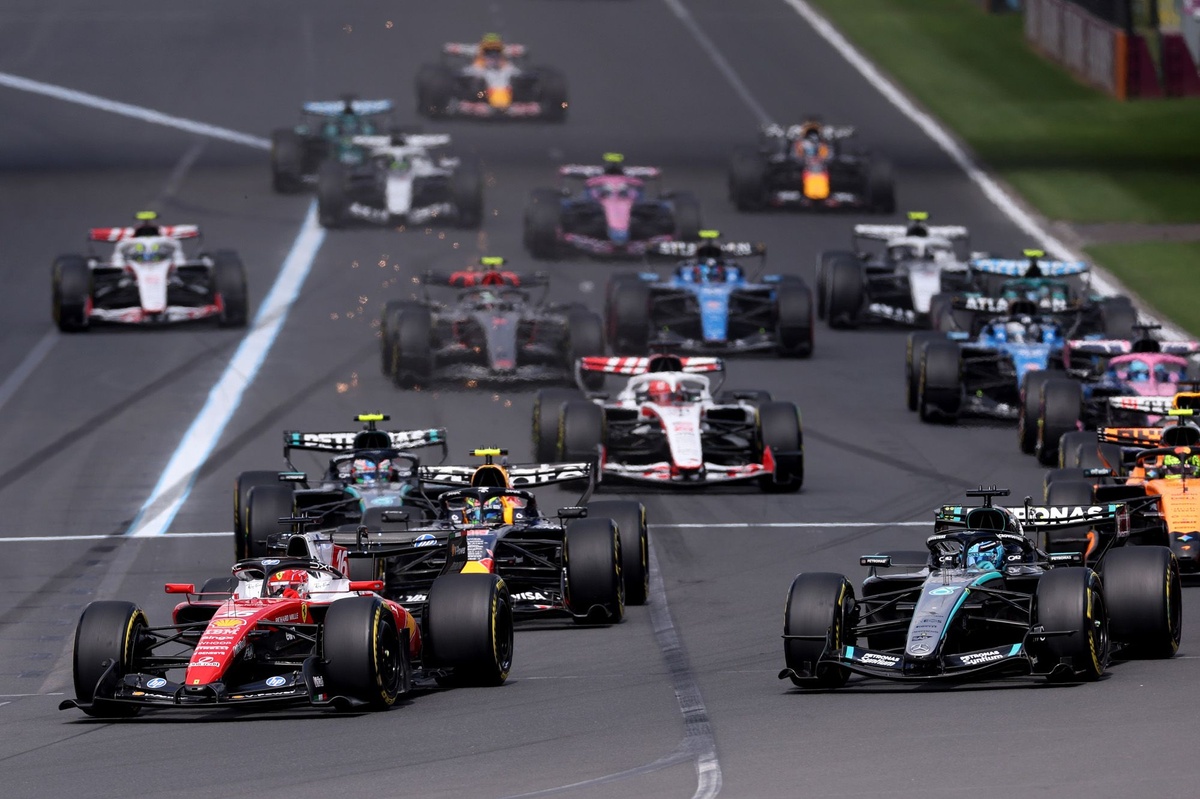
Imagine standing on the grid, lights out imminent, only to discover your power unit's battery is virtually empty. That was the reality for George Russell at the start of the Australian Grand Prix. This critical lack of battery power immediately put the pole-sitter on the defensive, allowing Ferrari's Charles Leclerc to surge ahead and snatch the lead.
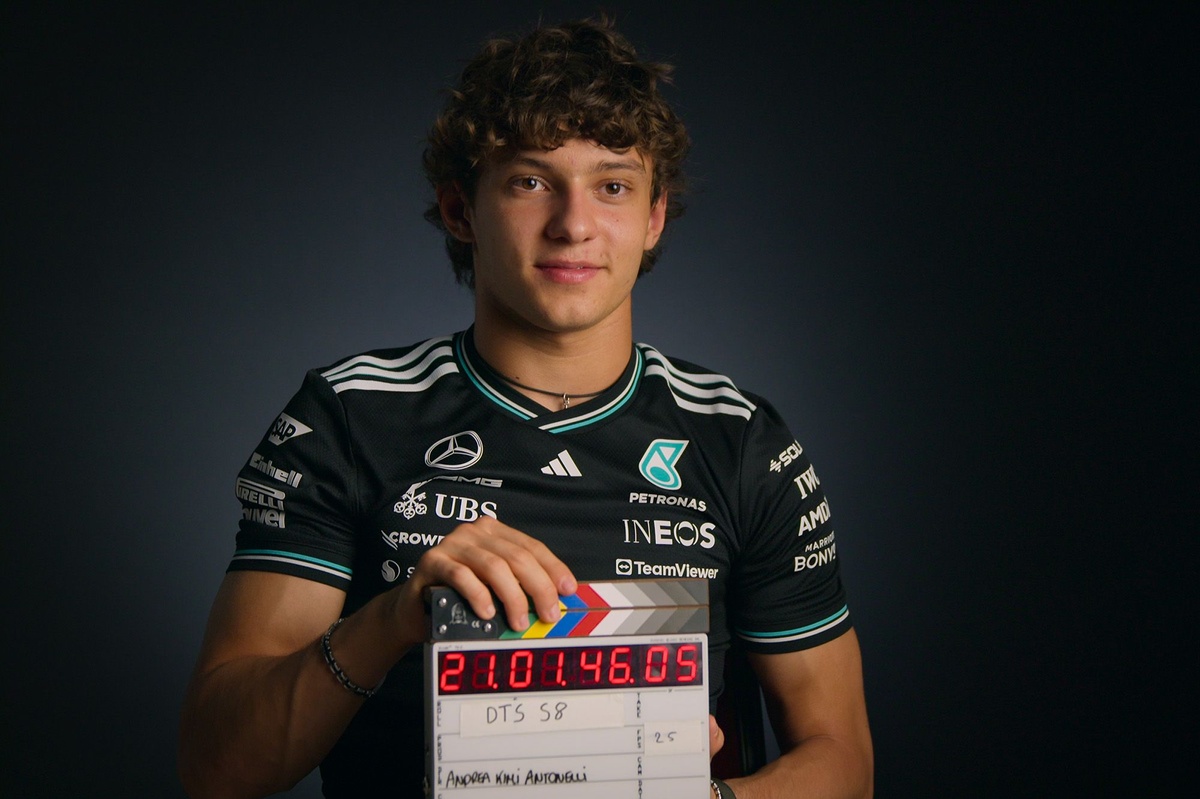
Russell's teammate, rising star Kimi Antonelli, endured a similar fate. He plummeted to seventh as rivals like Lewis Hamilton, Arvid Lindblad, and Isack Hadjar swarmed past. It was a chaotic opening for the Mercedes duo, requiring an immediate shift into recovery mode.
Strategic Masterstroke: How Mercedes Capitalized on the VSC
Despite the initial setback, Russell quickly engaged in a fierce wheel-to-wheel battle with Leclerc. The early fight was intense, with the Mercedes driver initially struggling to reclaim his lost ground. However, fortune favored Mercedes when a Virtual Safety Car (VSC) was deployed for Hadjar's stopped Red Bull. This pivotal moment allowed Russell to make a 'cheap' pit stop, minimizing time loss.
Crucially, Ferrari opted not to respond during this or subsequent VSC periods. This strategic misstep handed Mercedes a significant advantage, enabling them to leapfrog back into a dominant first and second position. It was a testament to the team's sharp strategic calls under pressure.
Russell's Candid Assessment of the Early Scramble
Reflecting on the opening laps, Russell expressed both relief and insight. "I'm feeling incredible. It was a hell of a fight at the beginning," he admitted. "I got on the grid and I saw my battery level - I had nothing in the tank! I made a bad start and then obviously there were some really tight battles with Charles."
He further explained the dynamic of the lead changes: "We had this suspicion that it was gonna be a bit of a yo-yo effect and as soon as one of us got in front, it just felt impossible to hold it." Russell also highlighted a technical challenge, noting the straight-line mode caused significant understeer out of Turn 8, making racing difficult.
Antonelli's Gritty Comeback: From Chaos to Contention
Kimi Antonelli's race was a story of pure grit. After his compromised start, which mirrored Russell's battery issue, he found himself deep in the midfield. Yet, the young driver mounted an impressive recovery drive, systematically reeling in and overtaking cars ahead to rejoin the battle at the front.
This wasn't Antonelli's only challenge of the weekend. He had previously shunted in FP3, forcing his Mercedes crew into a frantic repair job. Their dedication ensured his car was ready for qualifying, and his race performance proved their efforts worthwhile. "The pace was very strong, especially at the end and I'm just looking forward to next week!" Antonelli enthused, clearly proud of his fighting spirit.
Beyond the Podium: Mercedes' Pace and Future Outlook
The Australian Grand Prix showcased Mercedes' potent pace, particularly in the later stages of the race. Despite the initial battery woes, both Russell and Antonelli demonstrated the W15's raw speed and their own capacity for recovery and aggressive racing. The dynamic battles, especially in the opening laps, highlighted the competitive nature of the F1 2026 season.
This double podium finish, forged through adversity and smart strategy, provides Mercedes with significant momentum heading into the next race. The team proved their ability to overcome technical glitches and capitalize on strategic opportunities, signaling a formidable force for the season ahead.