

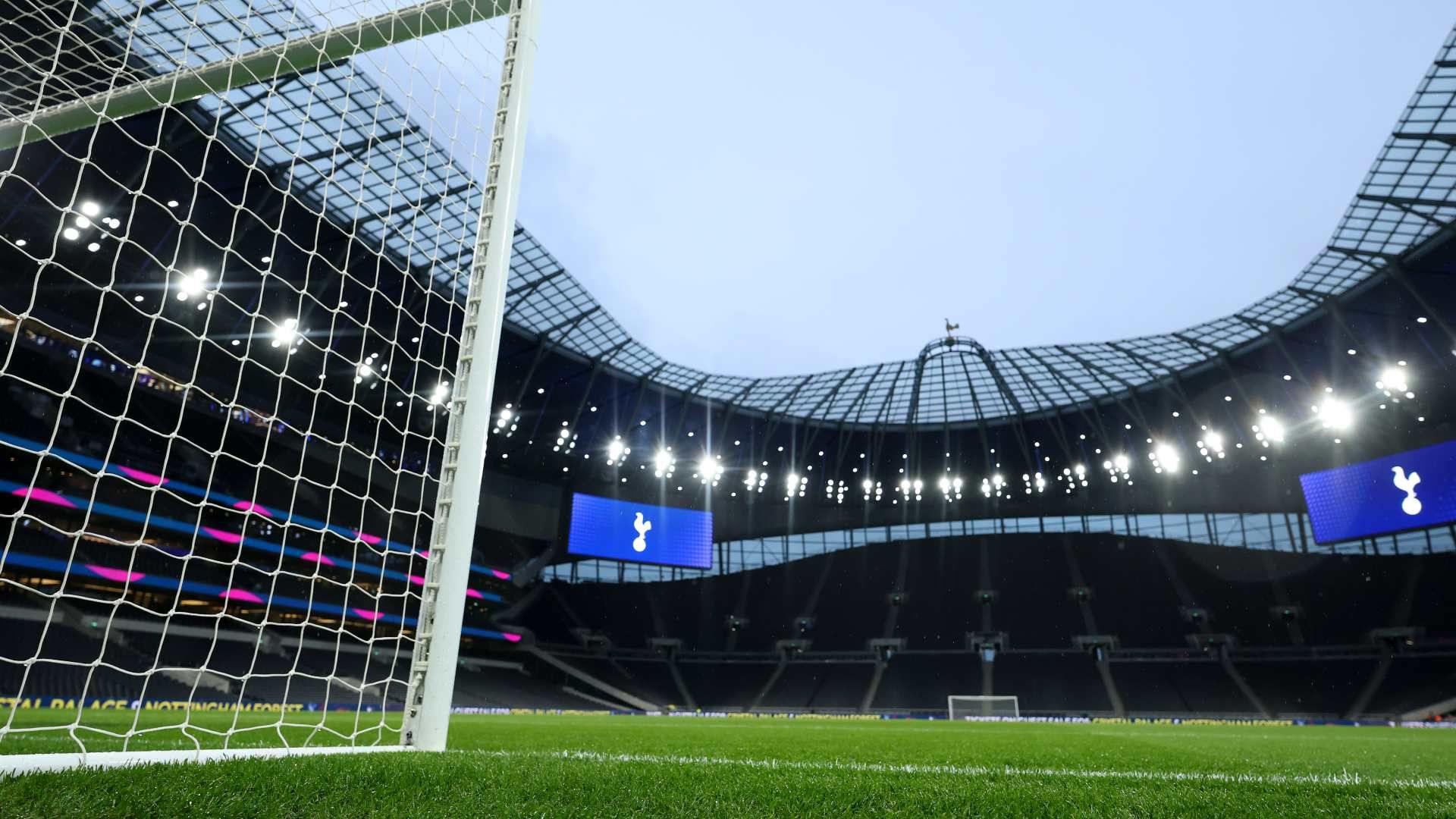

The specter of injury has haunted Tottenham Hotspur like a cruel shadow, threatening to derail seasons and break fan hearts. But what if the very ground they play on, their magnificent £1 billion stadium, is part of the problem? The club is now launching an unprecedented deep dive, questioning if its cutting-edge retractable pitch, built for both football and NFL spectacles, is secretly contributing to an "astronomical" rise in player setbacks.
Key Concerns at Hotspur Way:
- Tottenham Hotspur is investigating its retractable pitch for a link to a surge in serious player injuries.
- New performance director Dan Lewindon also identified structural issues and a lack of integration in the club’s medical and performance departments.
- A "small-team approach" with dedicated physios and a potential team psychologist are proposed solutions to enhance player welfare.
- Star midfielder James Maddison has publicly called for answers, labeling Spurs' injury rate "astronomical."
The Turf Tangle: Is Spurs' Pitch a Hidden Foe?
Tottenham Hotspur Stadium is a modern marvel, famous for its innovative dual-surface technology. This engineering allows the grass football pitch to slide away, revealing a synthetic turf perfect for high-profile NFL games and concerts. However, a crucial question now looms: is this very innovation contributing to a worrying spike in serious leg and ligament injuries for Spurs players?
New performance director Dan Lewindon is spearheading an investigation into this potential link. While initial independent tests on the pitch's bounce and surface tension were inconclusive, the club is pushing for deeper analysis. They aim to meticulously compare the Tottenham surface against other Premier League grounds, searching for any subtle differences that could impact player safety.
Concerns intensified following a series of high-profile setbacks suffered specifically at home. Key players like Dejan Kulusevski, Radu Dragusin, and Wilson Odobert have all sustained significant injuries in N17. Even James Maddison suffered a partial ACL tear during a home clash, an injury that later ruptured completely. Intriguingly, Real Madrid is also facing similar scrutiny, probing a spate of ACL injuries at their renovated Santiago Bernabeu after installing a retractable pitch. The parallels are hard to ignore.
Deeper Dive: Performance Dept. Under the Microscope
Beyond the playing surface, Lewindon’s comprehensive three-month review has reportedly unearthed significant structural issues within the club's performance department itself. A prevailing belief suggests that a critical lack of integration and shared decision-making between medical and coaching staff has created a detrimental cycle of injury reoccurrences. This organizational disconnect is seen as a root cause for players not achieving optimal physical preparation and recovery.
To directly address these systemic flaws, Spurs are planning to implement a radical "small-team approach." This strategy will see specific physios assigned to small groups of just six players. The goal is to provide more personalized training designs, higher-quality physical preparation, and a more cohesive, player-centric support system.
Coaching Carousel's Cost
The constant managerial merry-go-round has also been flagged as a major contributing factor to player vulnerability. In just a single year, the squad has navigated under four different head coaches: Ange Postecoglou, Thomas Frank, Igor Tudor, and Roberto De Zerbi. Each manager brings wildly distinct training methodologies and tactical demands. This relentless flux is believed to have significantly increased the physical risk to the squad, as players struggle to consistently adapt to ever-changing intensity levels and new athletic requirements.
Controversies & Crucial Conversations
The club recently found itself defending its medical staff amidst criticism regarding Xavi Simons' season-ending injury. The midfielder initially received ice spray and returned to the field during a victory at Wolves, only to be stretchered off with a ruptured ACL. Despite fan backlash, Spurs stand by the medical team's protocol, with Lewindon reportedly satisfied. It's understood Simons insisted on continuing, and a definitive ACL test is notoriously difficult pitchside. Crucially, the club maintains no further damage was caused by his brief return.
This incident was unfortunately one of many during a nightmare debut period for Roberto De Zerbi. Spurs also lost key defenders Cristian Romero and Destiny Udogie to serious injuries in his first three matches. The Italian coach is reportedly advocating for a more robust support system, including the crucial appointment of a team psychologist. This move aims to significantly improve communication and mental fortitude across the performance and medical departments.
Maddison's Candid Call: "Astronomical" Absences
Star midfielder James Maddison has been a powerful voice for change, openly demanding a thorough investigation into the club's fitness records. "Our situation with the injuries has been worse than any other club," Maddison stated emphatically. "People try and say, 'Oh, but we've got this and that'. But ours is astronomical, and we need to look at why that is."
While acknowledging some injuries are simply "unlucky" or "a coincidence"—citing his own ACL or Dejan Kulusevski's "horrendous knock"—Maddison is convinced the sheer volume of absences irrevocably derailed the season as Spurs fought to avoid relegation. He argued that if critical players like himself, Kulusevski, Mohammed Kudus, and Rodrigo Bentancur had remained fit, the team's trajectory would have been entirely different. His call underscores the urgent need for Tottenham to unearth the true causes behind their unprecedented injury woes.



.jpg)