


The New Breed Takes the Wheel: Why Youth Dominates F1's Future
The changing guard in Formula 1 is more than just a passing trend; it's a fundamental shift, especially with the looming 2026 regulations. Former Haas F1 team principal Guenther Steiner has a fascinating take on why the sport's young blood isn't just surviving, but thriving.
Steiner argues that the next generation of F1 drivers possesses an inherent advantage, quickly adapting to complex technological shifts. This insight, shared on the Drive to Wynn podcast, sheds light on the intense battle unfolding on the track, particularly exemplified by Kimi Antonelli's remarkable ascent.
Key Insights from Guenther Steiner:
- Younger drivers adapt faster to the new 2026 F1 regulations.
- Their lack of "bad habits" from previous car eras is a significant advantage.
- A tech-native upbringing makes complex F1 systems more intuitive.
- Kimi Antonelli's rise over George Russell exemplifies this generational shift.
The Tech Advantage: Growing Up Digital
The former team boss highlights that today’s young drivers have grown up fully immersed in technology, making them naturally better equipped to handle the increasing complexity of modern Formula 1 machinery.
Unlike previous generations who had to adapt from simpler mechanical setups, today’s rookies have been exposed to advanced simulators, data tools, and highly technical racing environments from a young age. This makes the transition into 2026-spec cars feel far more intuitive. Steiner suggests this “tech-native” background gives younger drivers a smoother learning curve, especially when dealing with hybrid systems, energy management, and constantly evolving regulations.
Antonelli vs. Russell: A Generational Divide in Driver Skill
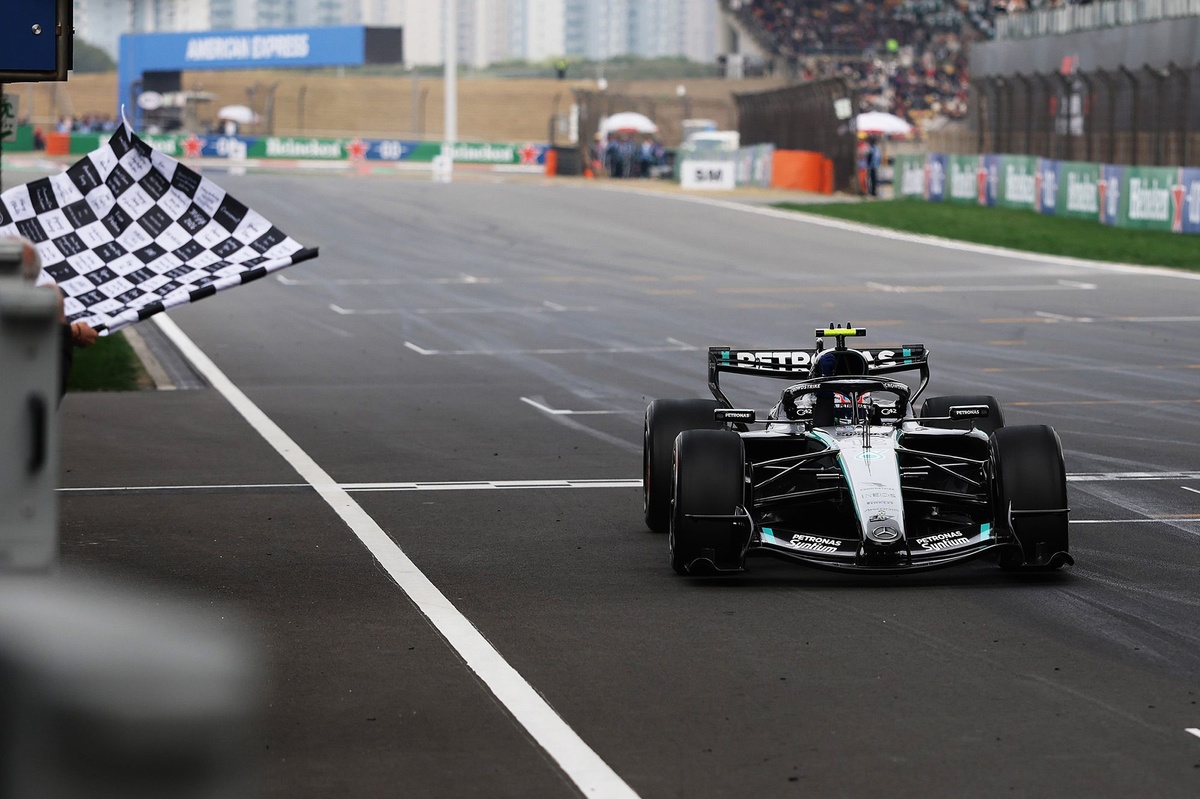
Steiner points to the rapid rise of Kimi Antonelli, who has taken the paddock by surprise with standout performances, including back-to-back victories at the Chinese and Japanese Grands Prix, putting him at the top of the championship standings. His performances have placed significant pressure on experienced Mercedes teammate George Russell, a proven front-runner who has struggled to fully extract the same consistency under the new technical landscape.
According to Steiner, Russell’s challenge is not a lack of talent, but rather the weight of experience—years of driving older-spec cars may be influencing instinctive reactions and limiting adaptation speed. Antonelli, by contrast, benefits from a “clean slate” approach. With no legacy driving habits to unlearn, he is able to fully commit to the demands of the 2026-era regulations without mental adjustment barriers.
Unlearning the Past: The Ground Effect Conundrum
Steiner also highlights one of the biggest hidden challenges facing established drivers: unlearning previous techniques. Drivers who mastered the ground effect era have developed deep muscle memory tied to older aerodynamic behaviour. Even at the highest level, those instincts can be difficult to override when new regulations fundamentally change how the car behaves.
For Antonelli, however, every element of the new generation of cars is unfamiliar territory in the best way. He does not need to mentally “erase” old habits or recalibrate his instincts, he simply builds his driving style around the current machinery from the ground up. This allows him to focus entirely on performance extraction, rather than adaptation.
A Shift in F1’s Competitive DNA
Steiner’s observations point to a broader transformation in Formula 1: success is increasingly shaped not just by experience, but by adaptability and digital fluency. As the sport evolves further into the 2026 regulation era, the gap between seasoned veterans and emerging talents may continue to narrow—or even reverse—if younger drivers maintain their current trajectory of rapid learning and fearless adaptation.