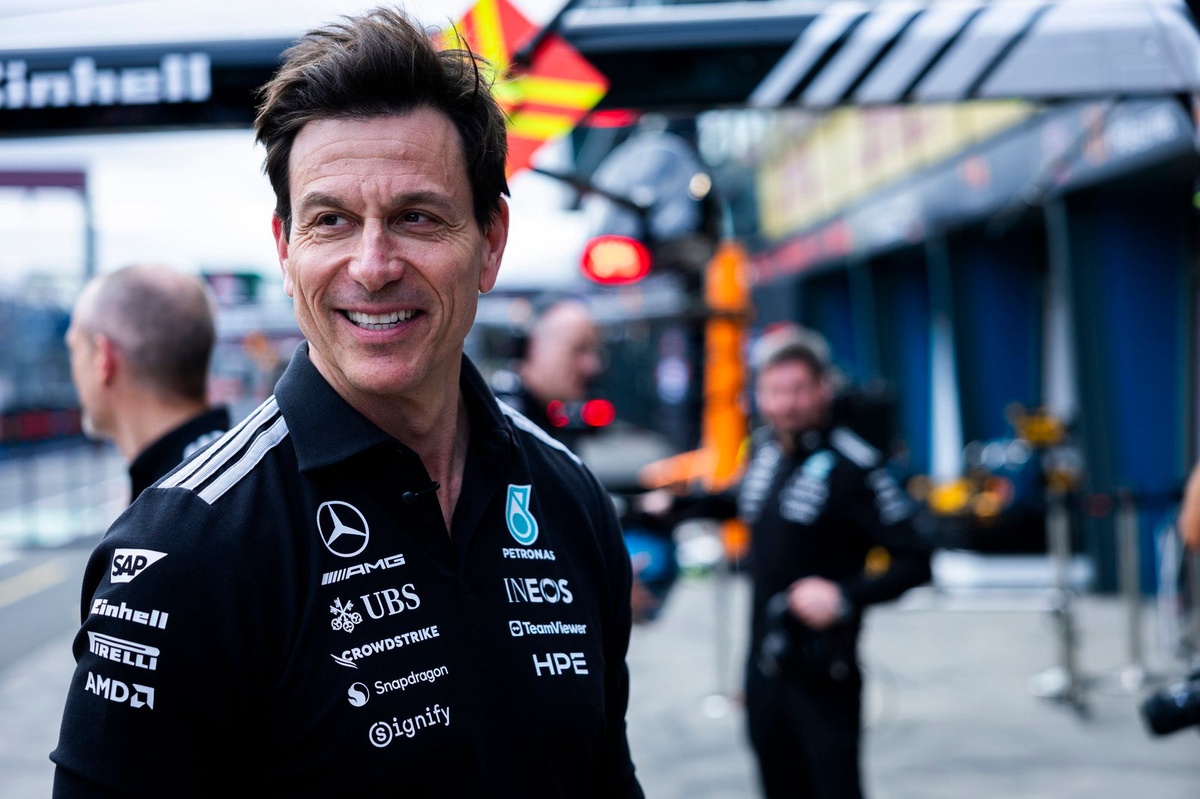

The future of Formula 1 hangs in the balance, and Mercedes team principal Toto Wolff is demanding that the sport's custodians approach crucial 2026 rule changes with surgical precision, not a blunt instrument. The sport's rapid evolution requires a thoughtful hand to sculpt its next chapter.
Key Points:
- Toto Wolff advocates a "scalpel, not a baseball bat" approach to F1 2026 regulations.
- Crucial discussions focus on improving racing, addressing safety concerns from events like Oliver Bearman's incident, and refining powertrain rules.
- He urges stakeholders to act as "guardians of the sport," prioritizing its long-term health over individual team agendas.
- Past "erratic" changes serve as a warning, emphasizing the need for considered adjustments.
The Stakes: Why F1's Future Hinges on 2026 Rules
The upcoming 2026 regulations promise a seismic shift in Formula 1, but not all proposed changes have been met with universal acclaim. While chassis innovations are largely praised, the radical overhaul of the powertrain rules, with a greater emphasis on electrification, has ignited fierce debate. This pivotal moment could define the competitive landscape and fan experience for years to come.
Precision Over Panic: Wolff's 'Scalpel' Plea
With discussions underway to fine-tune these critical adjustments, Toto Wolff has publicly called for a nuanced, data-driven approach. He emphasizes that the collaborative talks between drivers, the FIA, Formula 1 management, and teams have been "constructive," aiming to enhance the racing product and boost safety. Wolff's metaphor is clear: modify with a "scalpel, not a baseball bat," to avoid unintended consequences.
The initial feedback on the 2026 regulations highlighted several areas of concern. Tactics like "lift-and-coast" in qualifying raised eyebrows, while the significant closing speed differences, starkly demonstrated by Oliver Bearman's close call with Franco Colapinto at Suzuka, brought safety to the forefront. Additionally, worries about battery charge disparities potentially devaluing genuine overtaking moves have fueled the need for revisions.
Beyond the Track: The Guardianship Mandate
Wolff reiterated that all parties involved hold a profound responsibility as "guardians of the sport." He implored them to prioritize the championship's overarching well-being, rather than succumbing to short-term, self-serving agendas. This collective duty, he argues, is vital for Formula 1 to continue its unprecedented growth and appeal to its vast global fanbase.
Learning from History: Avoiding Past Mistakes
The Mercedes principal candidly reflected on historical missteps in F1 rule-making. He cautioned against "erratic" decisions made in the past that often overshot their mark, leading to further problems. The aim now is to learn from these lessons, ensuring that any modifications enhance the spectacle without inadvertently dulling the racing or creating new, unforeseen issues.
Safety First: A Non-Negotiable Priority
Beyond the racing product, driver safety remains an "utmost priority." Wolff drew parallels to endurance racing, citing the enormous speed differentials between different car classes at events like Le Mans, which have led to "critical situations." He stressed the importance of understanding how new systems impact car behavior, especially in challenging conditions like rain, to mitigate risks effectively.
This new era of Formula 1 demands foresight and collaboration. The stakes are incredibly high, and the world will be watching to see if the sport's leaders can truly wield that "scalpel" to carve out a brilliant future.